Ice Baths, Surfing and Coasteering: An Active Getaway in Cornwall
Learn to surf at Fistral, go coasteering along the cliffs, try cold-water swimming and ice baths, and walk the South West Coast Path – an active break in Cornwall.
Some links in this guide are partner links: if you buy through them we may earn a small commission, at no extra cost to you. It never affects what we recommend. How we make money
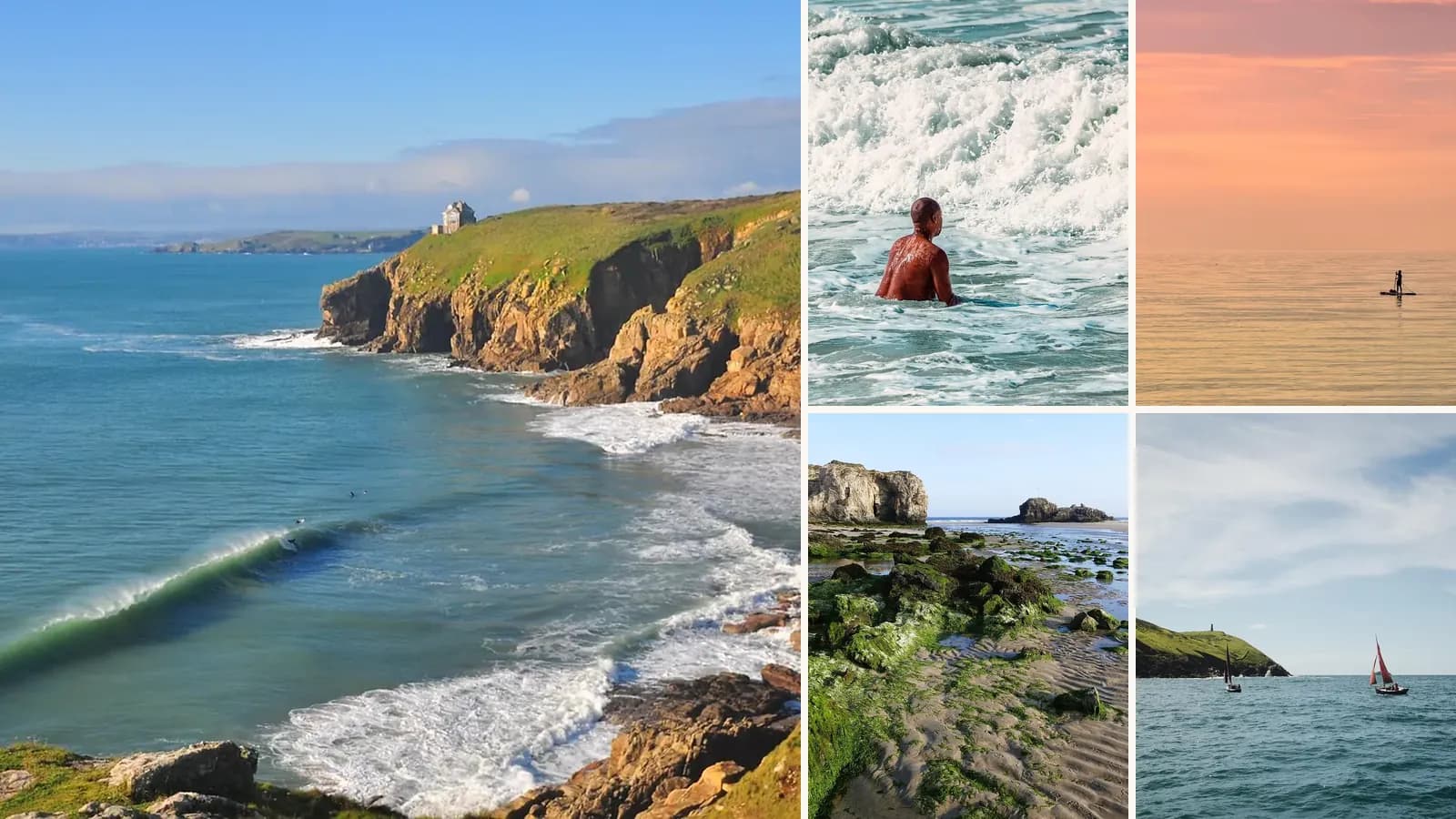
With more than 300 miles of coastline, Atlantic swells and rugged granite cliffs, Cornwall is Britain's adventure playground. You can learn to surf on wide golden beaches, leap off rocks and swim through sea caves on a coasteering trip, plunge into cold water for a wellness boost and walk some of the most spectacular coastal paths in Europe – then warm up with a pasty, a pint or a cream tea.
This guide covers the best active experiences in Cornwall, where to do them, how to stay safe and how to plan an active weekend.
Active Cornwall at a glance
| Quick facts | |
|---|---|
| Best time to visit | May–October; September is ideal for warm sea and fewer crowds |
| How long to stay | A long weekend to a week |
| Getting there | Trains from London Paddington to Newquay (with a change), St Ives or Penzance; Newquay Airport |
| Best for | Surfing, coasteering, walking, wild swimming, families |
In the water
1. Learn to surf
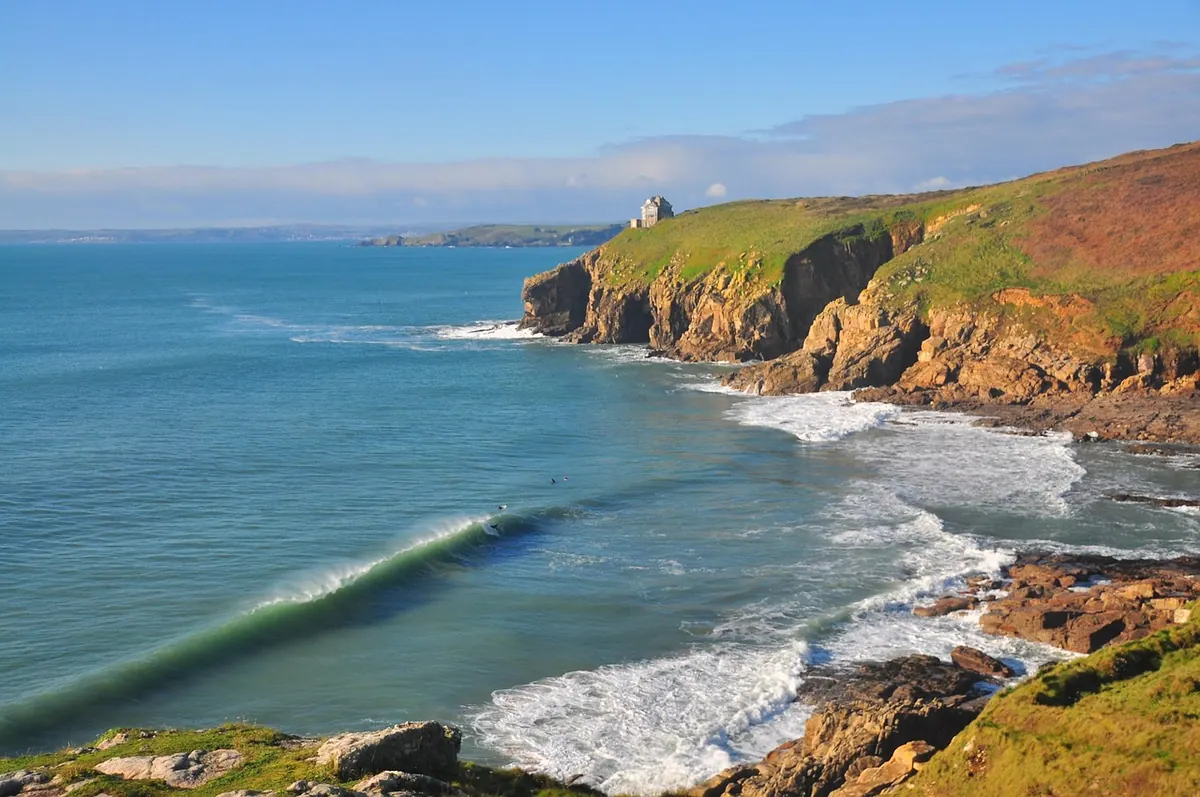
Cornwall is the home of British surfing. Fistral Beach in Newquay hosts major competitions and has several surf schools; Polzeath on the north coast, Watergate Bay, Perranporth and Sennen Cove near Land's End are also excellent places to learn. A two- to three-hour lesson with a qualified instructor covers safety, paddling and standing up, and most beginners catch their first wave on the first day. Wetsuits and boards are provided.
2. Go coasteering
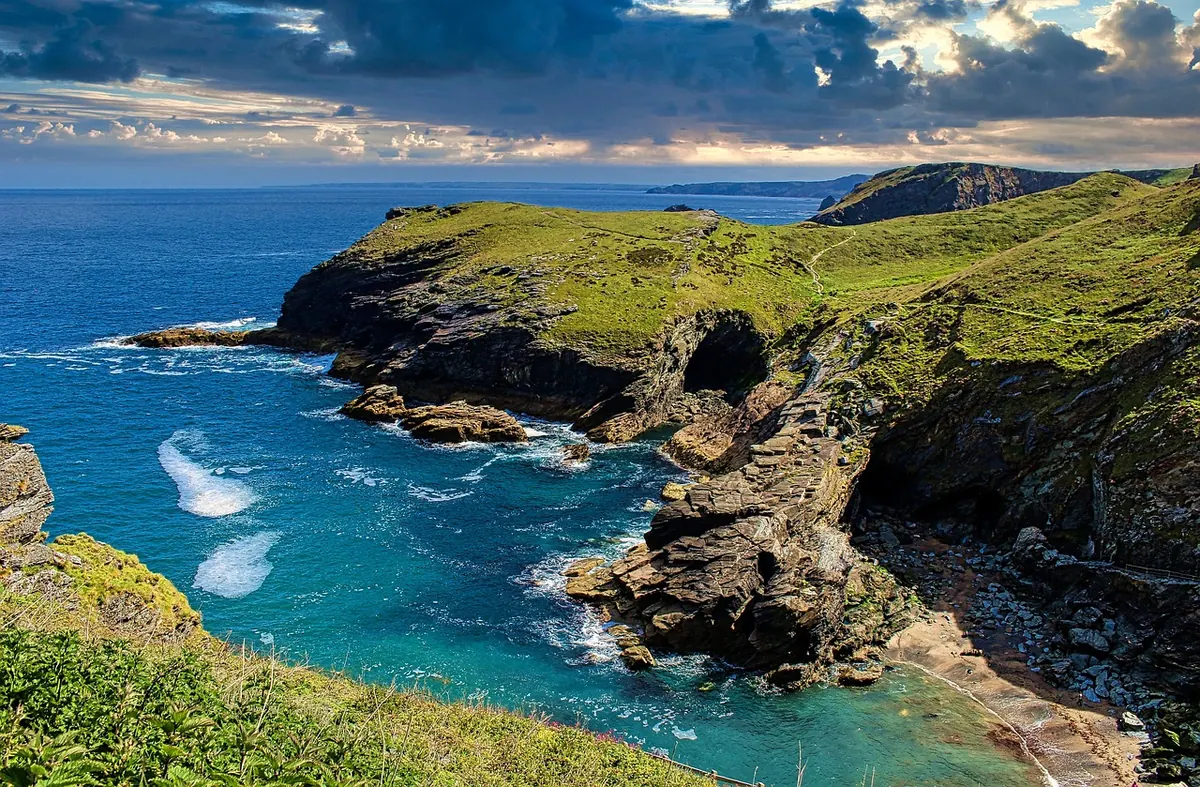
Coasteering combines scrambling along the rocky shoreline, swimming through gullies and sea caves and jumping into deep water from ledges. In wetsuits, helmets and buoyancy aids, and with qualified guides, groups explore stretches of coast you could never reach on foot. Jumps are always optional, and guides choose locations based on the day's tide and swell. Popular areas include the coast around Newquay and the Lizard Peninsula.
3. Try cold-water swimming and ice baths
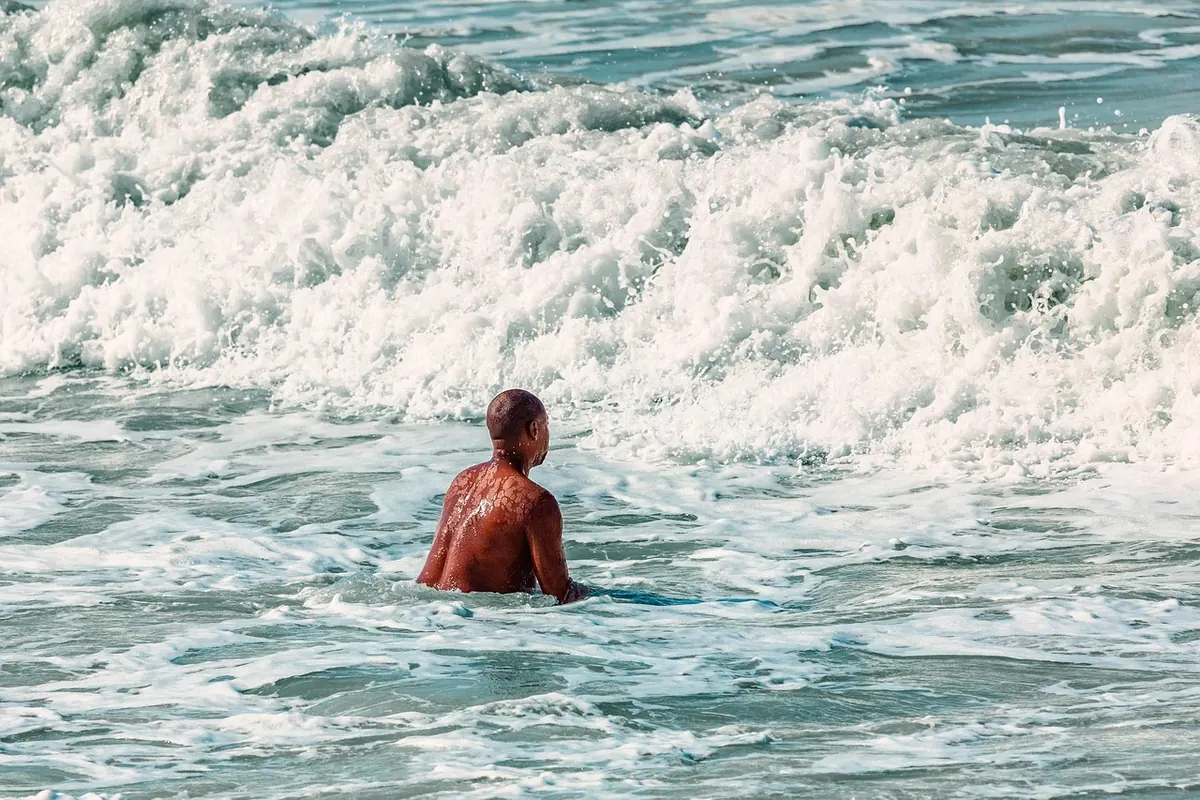
Cold-water swimming has become hugely popular in Britain, and Cornwall's coves and tidal pools are perfect for it. Some wellness retreats and saunas by the sea offer guided ice baths and breathing sessions, often followed by a sauna – alternating hot and cold is said to boost mood and recovery. Start gradually, never swim alone, wear a brightly coloured hat and get out before you feel too cold. Avoid cold water if you have heart or blood-pressure problems.
4. Sea kayaking and paddleboarding
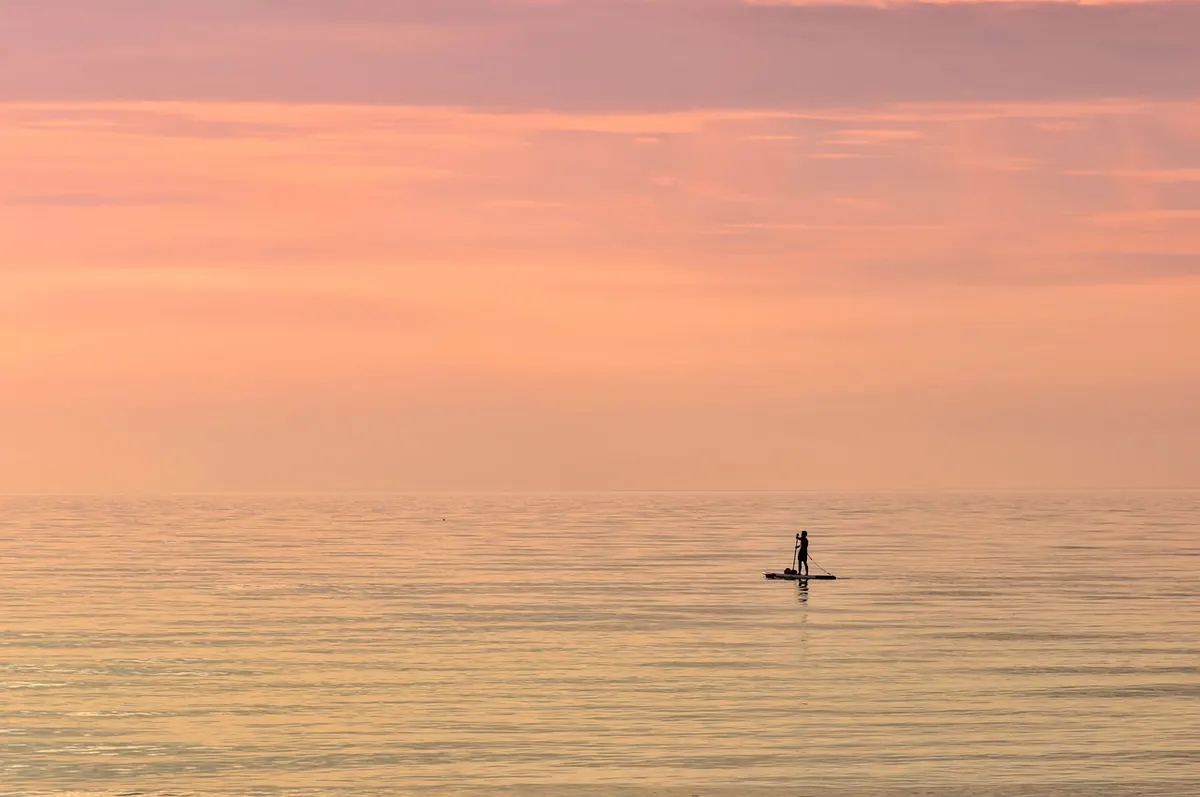
Explore sheltered estuaries such as the Helford and the Fal, or paddle along the coast to hidden beaches with a guide. Calm mornings are best. Seals, and occasionally dolphins, are often spotted.
5. Tidal pools
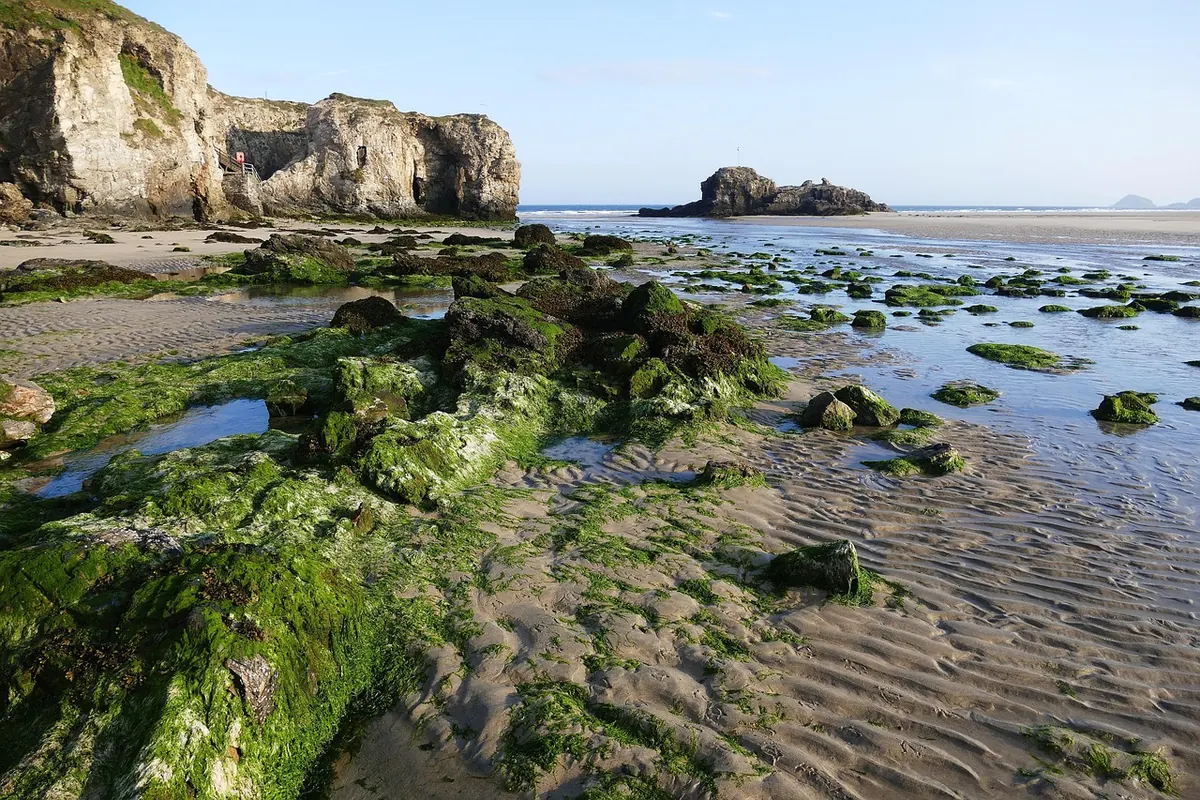
Cornwall's tidal pools – sea-water pools built into the rocks – are a safer place to swim in rough weather. Jubilee Pool in Penzance is a beautiful Art Deco lido with a geothermally heated section, and Bude Sea Pool is another favourite.
On land
6. Walk the South West Coast Path
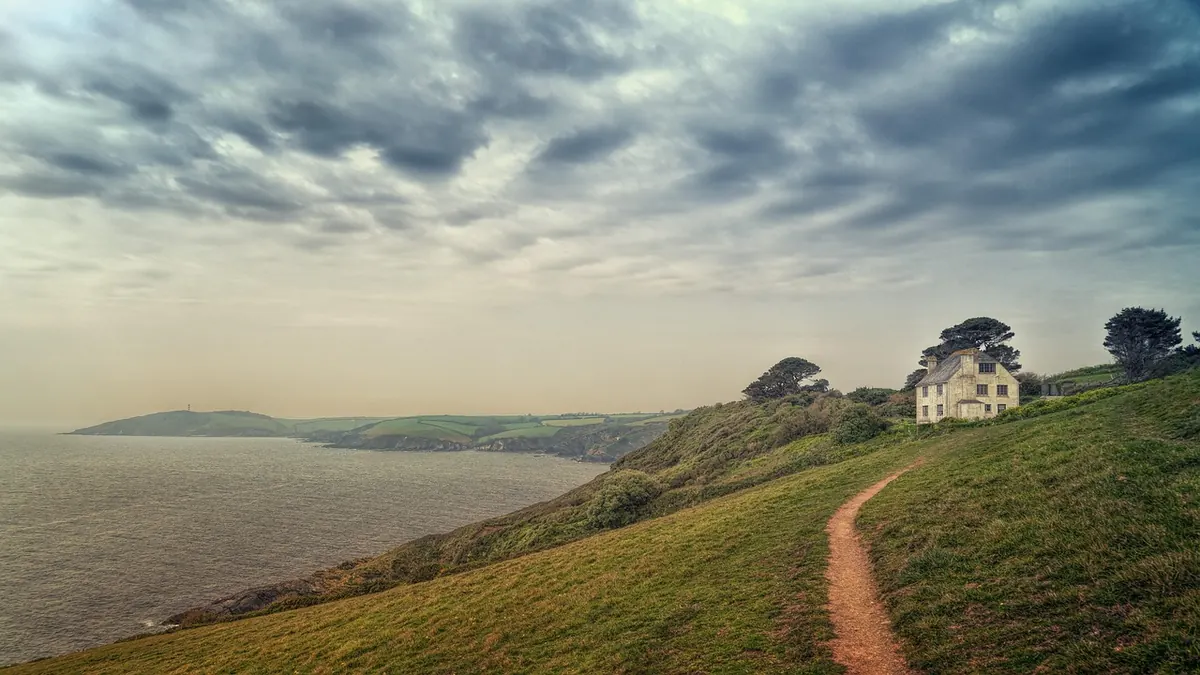
The South West Coast Path runs all the way around Cornwall. Classic sections include St Ives to Zennor, past cliffs and old mine workings; the Lizard, mainland Britain's most southerly point; and the stretch around Land's End and Porthcurno, with the cliff-top Minack Theatre.
7. Cycle the Camel Trail
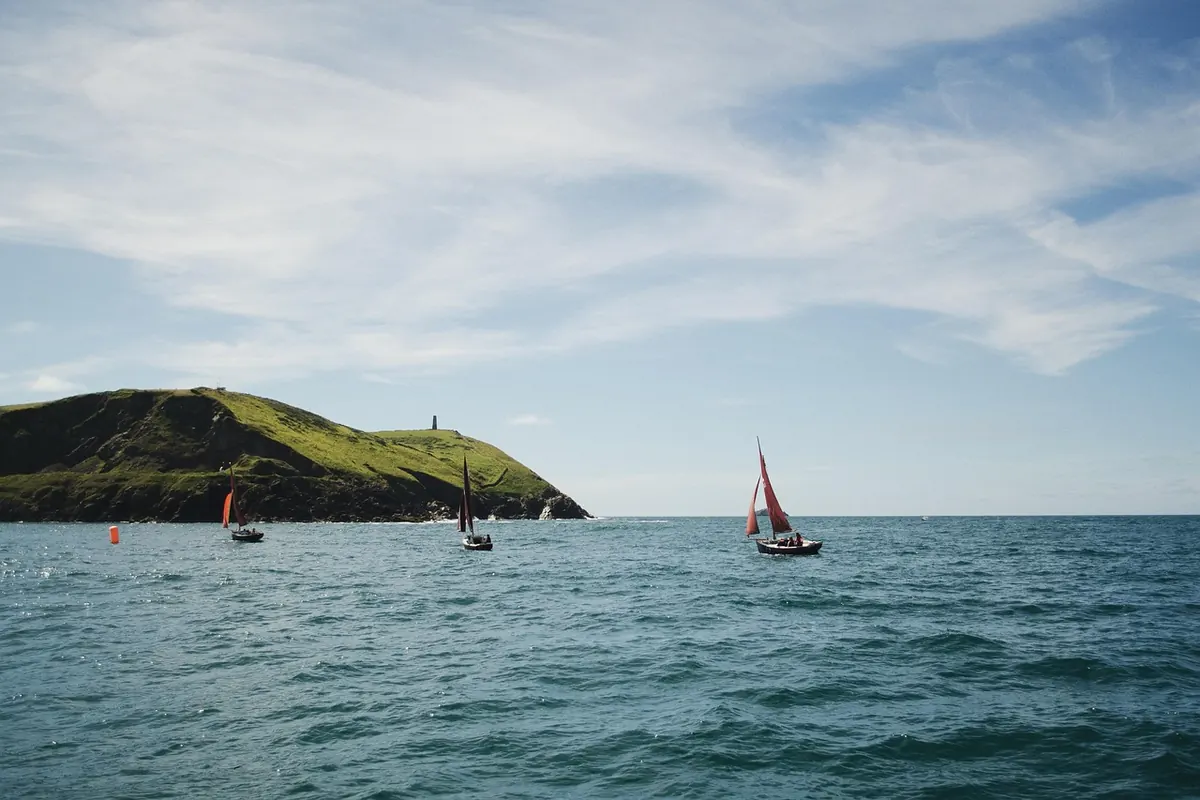
A flat, traffic-free trail along an old railway line beside the Camel Estuary from Padstow to Wadebridge and beyond – easy for families and ending at a seafood lunch in Padstow.
8. Climbing and adventure
Granite sea cliffs at places such as Bosigran and Sennen are among Britain's best traditional climbing areas – join a guided session if you're new. Inland, adventure centres offer zip wires, high ropes and mountain biking.
Where to stay
- Newquay: the surf capital, with lively bars and many surf schools.
- St Ives: galleries, beaches and harbour views; good for coast walks.
- Padstow and Polzeath: food, the Camel Trail and beginner surf.
- The Lizard and Penwith: wild, quiet and dramatic.
Staying safe
- Swim at lifeguarded beaches and stay between the red-and-yellow flags; surf between the black-and-white chequered flags.
- Check tides and swell – many beaches shrink or disappear at high tide.
- Book accredited providers for coasteering, surfing and climbing.
- In an emergency at the coast, call 999 and ask for the Coastguard.
For more of Britain's coast, see our guide to the UK's best seaside towns.
Frequently asked questions
When is the best time to surf in Cornwall?
You can surf all year with the right wetsuit. Summer has smaller, beginner-friendly waves and warmer water; autumn often brings the best surf with warm sea temperatures and fewer crowds.
Is coasteering safe?
With a qualified, accredited provider, coasteering is a safe and well-managed adventure. Never try it alone or without a guide – tides, swell and rocks make the coast dangerous.
Do I need experience for these activities?
No. Surf schools, coasteering providers and cold-water swimming groups all welcome beginners, as long as you're a reasonably confident swimmer.
Keep reading
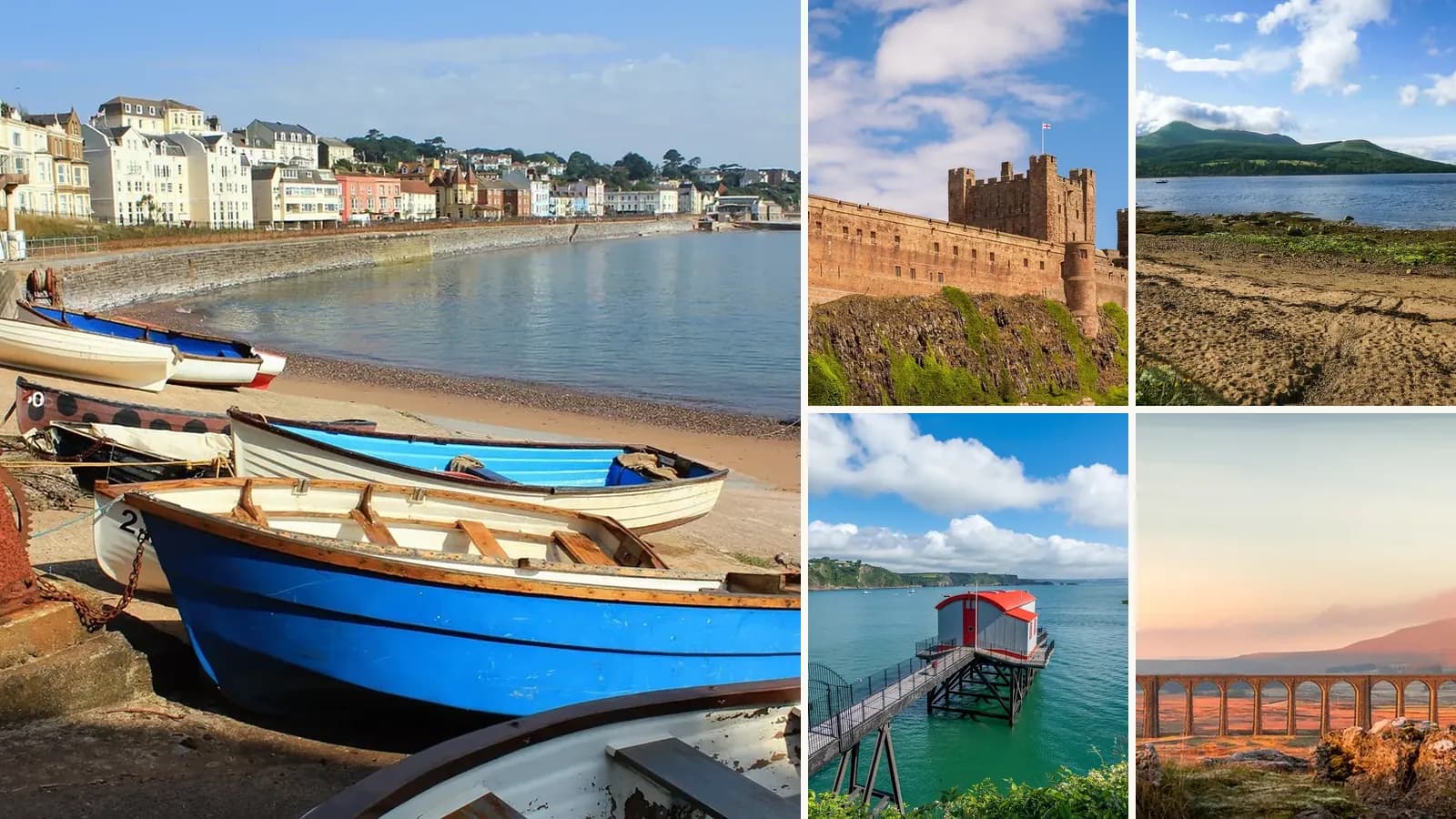
9 of the UK's Best Seaside Towns and Staycation Spots
Dawlish, Seahouses, Brodick on Arran, Hayle, Saundersfoot and more – nine of Britain's best seaside and countryside towns for a staycation, and what to do in each.
Herm Island: A Guide to Britain's Best-Kept Secret in the Channel Islands
Car-free Herm has white-sand beaches, turquoise water and coastal walks – how to visit this tiny Channel Island from Guernsey, where to stay and what to do.

How to Find Britain's Best Small Hotels and B&Bs
Country houses, coastal inns and townhouse B&Bs – how to find characterful small hotels in Britain, where to look and what makes a stay special.
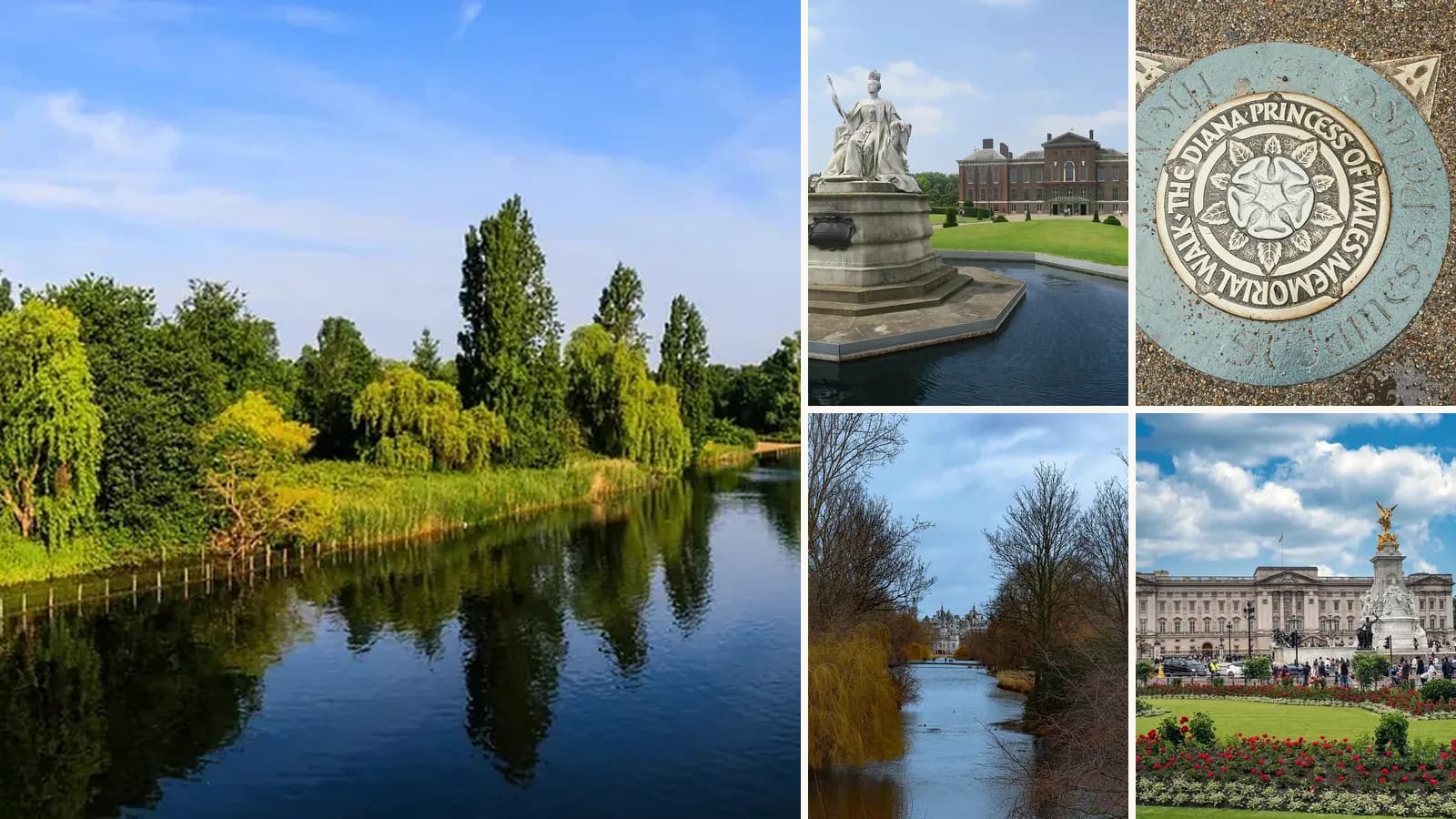
Hyde Park and London's Royal Parks: A Visitor's Guide
Boating on the Serpentine, Kensington Gardens, the Diana Memorial Fountain, Speakers' Corner and London's other Royal Parks – how to enjoy Hyde Park.