Morocco Beyond Marrakech: Chefchaouen, Fez, the Sahara and the Coast
Eight of Morocco's best places beyond Marrakech – Fez, Chefchaouen, the Sahara at Merzouga, the Atlas, Aït Benhaddou, Essaouira, Rabat and Tangier – with a route idea.

Some links in this guide are partner links: if you buy through them we may earn a small commission, at no extra cost to you. It never affects what we recommend. How we make money
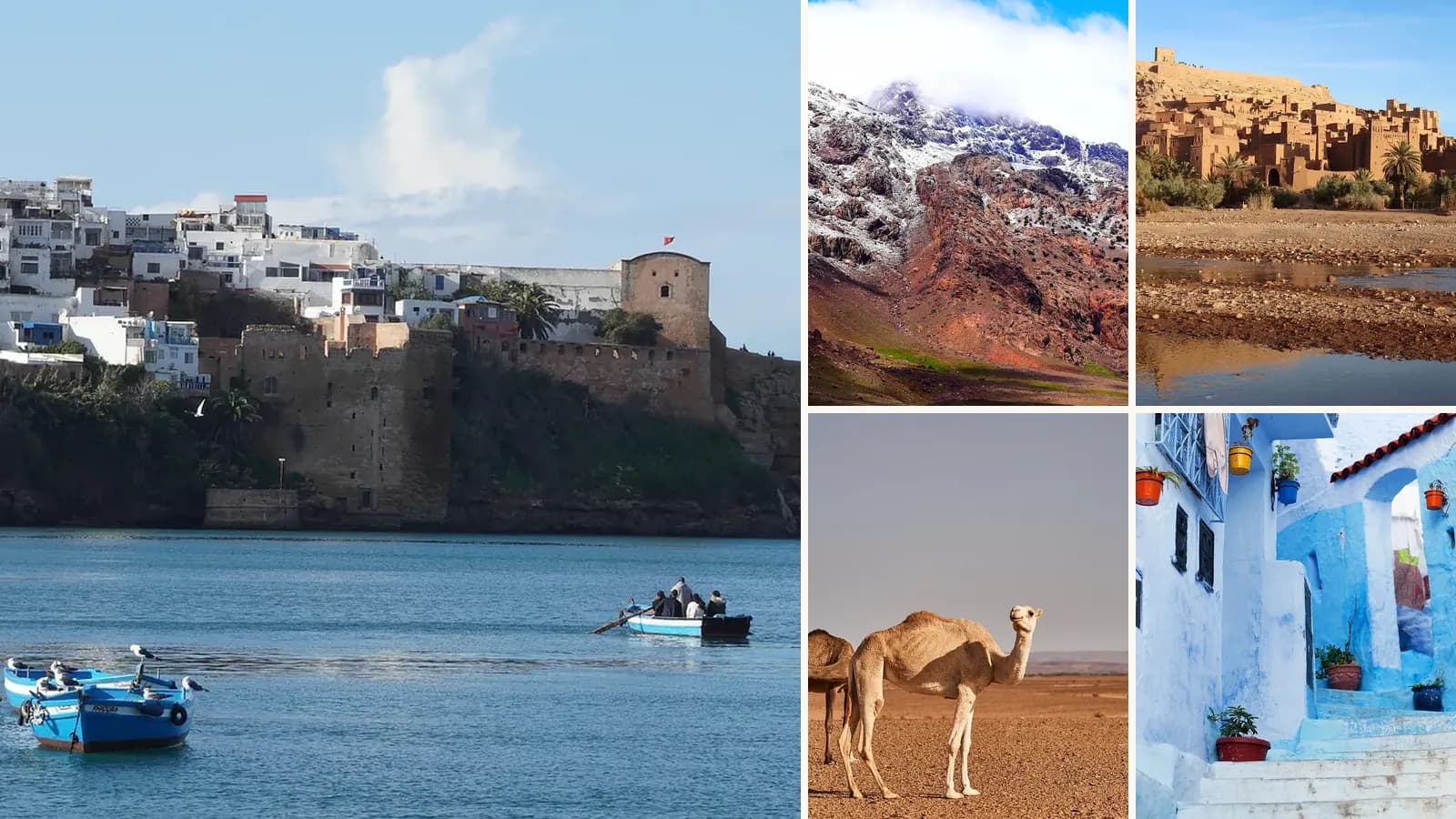
Marrakech is the gateway for most visitors to Morocco – but it's only the beginning. Within a few hours lie snow-capped mountains, Saharan dunes, blue-washed villages, imperial cities and windswept Atlantic towns. These eight places show the diversity of Morocco beyond Marrakech, with tips on how to combine them.
Imperial cities
1. Fez
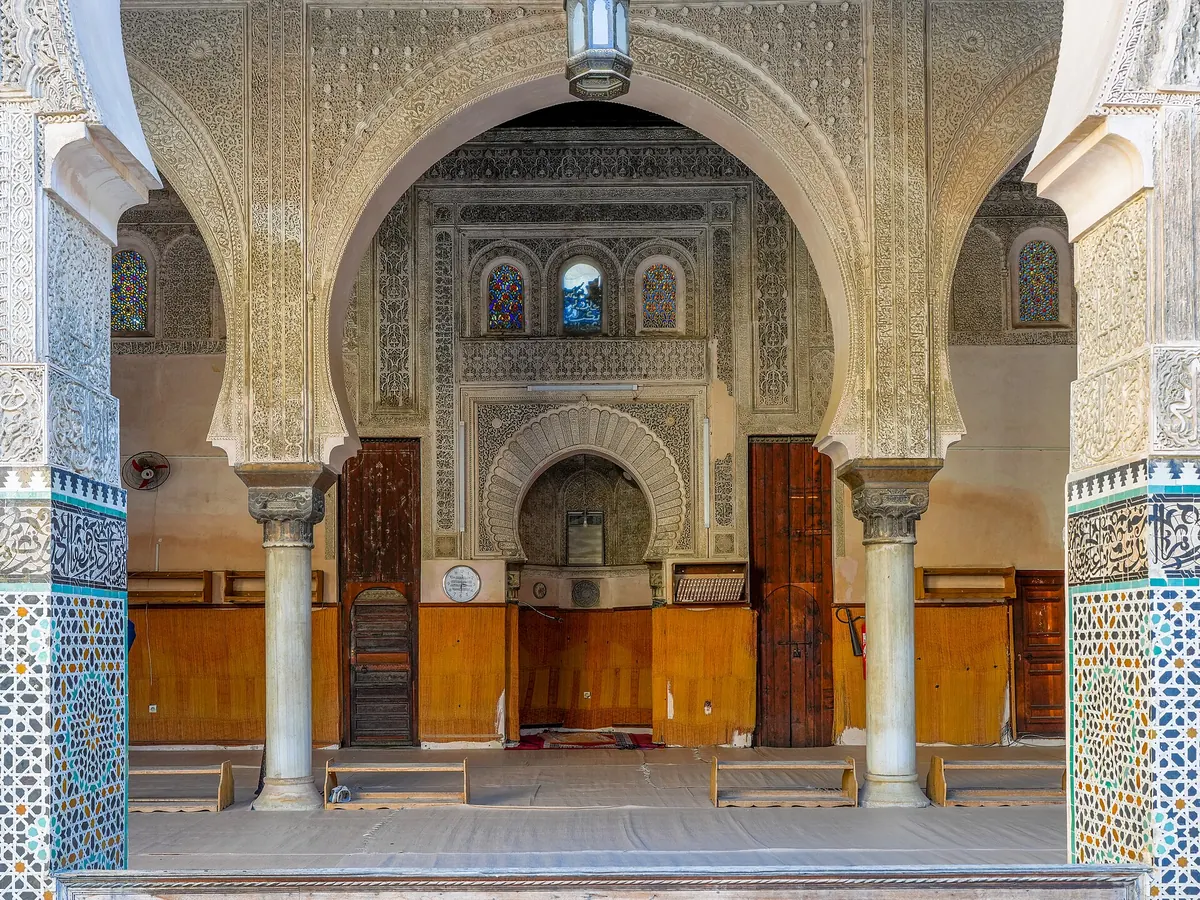
Morocco's spiritual and cultural capital has one of the world's largest medieval medinas, with tanneries, madrasas and centuries-old crafts. See our full guide to the best things to do in Fez.
A maze of 9,000 alleys, the clang of craftsmen, donkeys carrying goods and the colourful vats of the tanneries – Fez feels like stepping back centuries.
2. Rabat
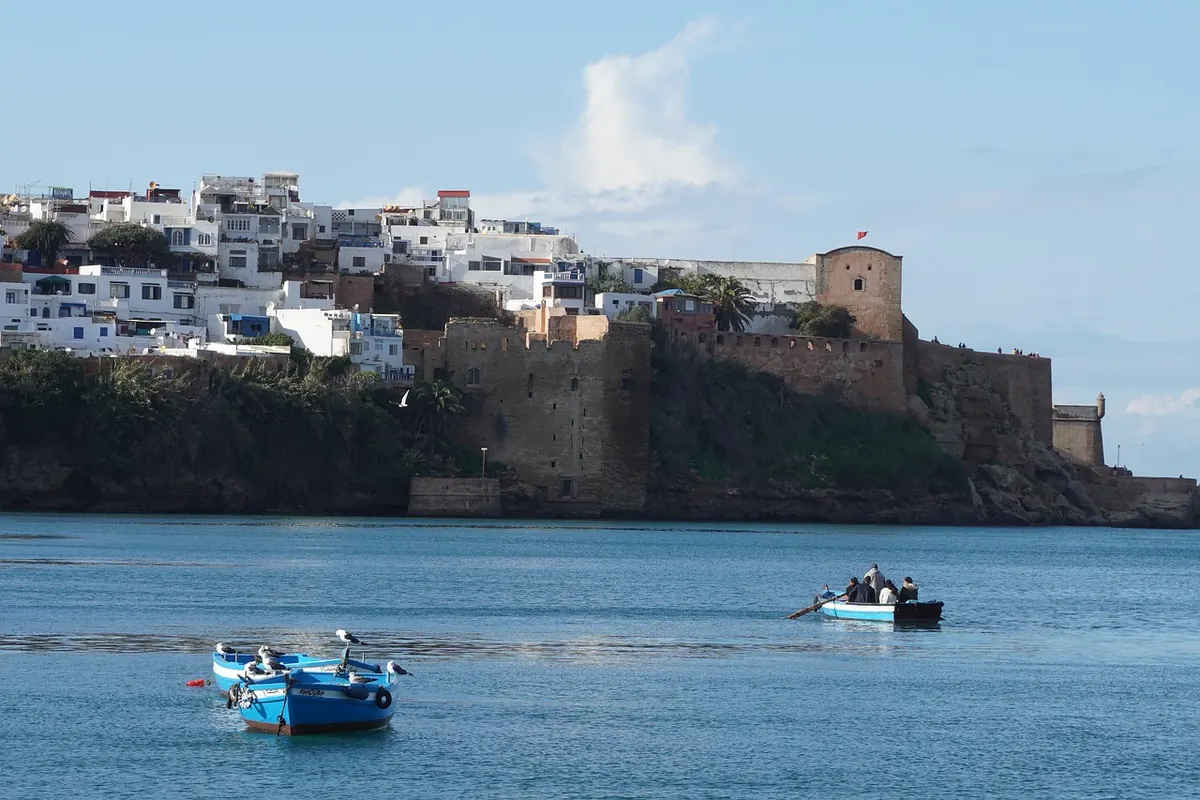
The calm, green capital is often skipped, which is a mistake. Visit the Kasbah of the Udayas with its blue-and-white lanes above the ocean, the Hassan Tower and Mausoleum of Mohammed V, and the Roman and Islamic ruins of Chellah.
Calm, clean and green, with the blue-and-white lanes of the Kasbah of the Udayas above the ocean and the unfinished Hassan Tower standing among rows of columns.
Mountains and desert
3. The High Atlas and Imlil
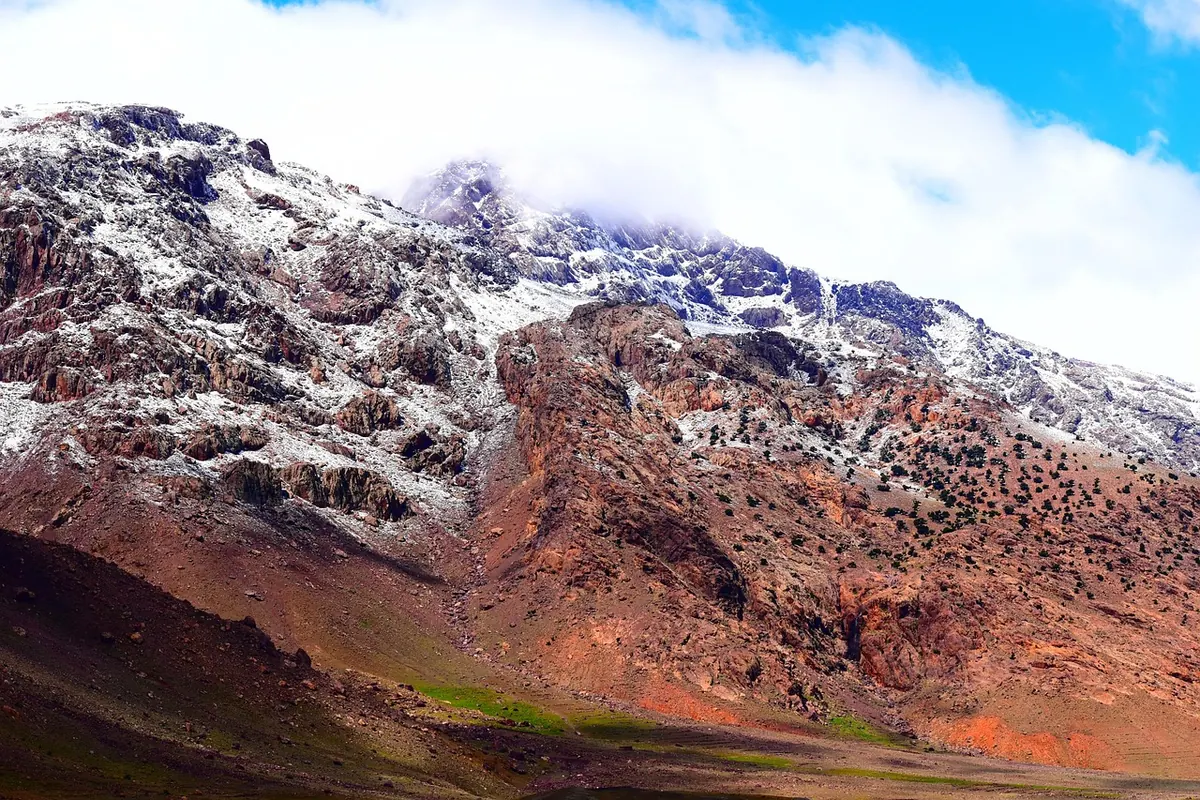
Just 90 minutes from Marrakech, the Berber village of Imlil is the base for treks in the High Atlas and climbs of Mount Toubkal, North Africa's highest peak. Even a half-day walk through walnut groves and terraced villages is memorable.
Mules carry bags up the path, Berber villages cling to the slopes, and Toubkal's peak rises above – the air is fresh and you hear only birds and streams.
4. Aït Benhaddou and Ouarzazate
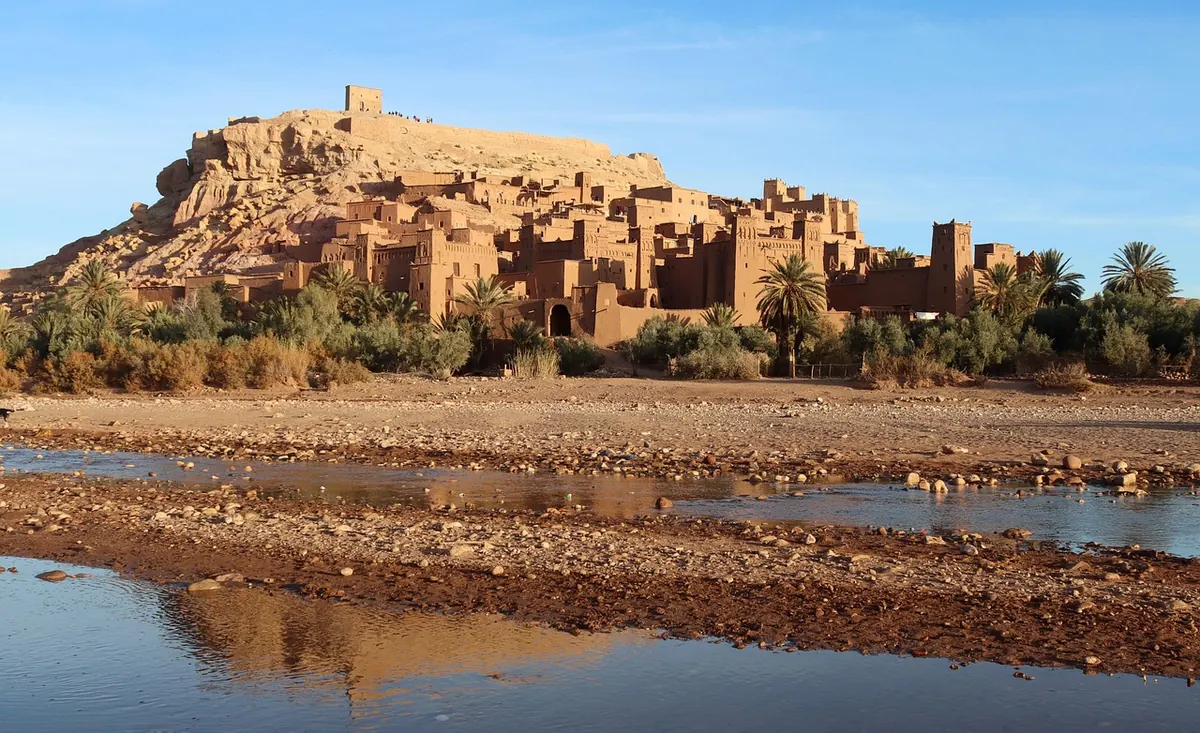
Over the Tizi n'Tichka pass, the earthen ksar of Aït Benhaddou – a UNESCO site – has appeared in films and series from Gladiator to Game of Thrones. Nearby Ouarzazate has film studios, and the Dadès and Todra gorges lie on the road east.
The fortified village of mud-brick towers glows red-gold at sunset above the river – a film set for countless movies, best seen from the top of the hill.
5. The Sahara at Merzouga
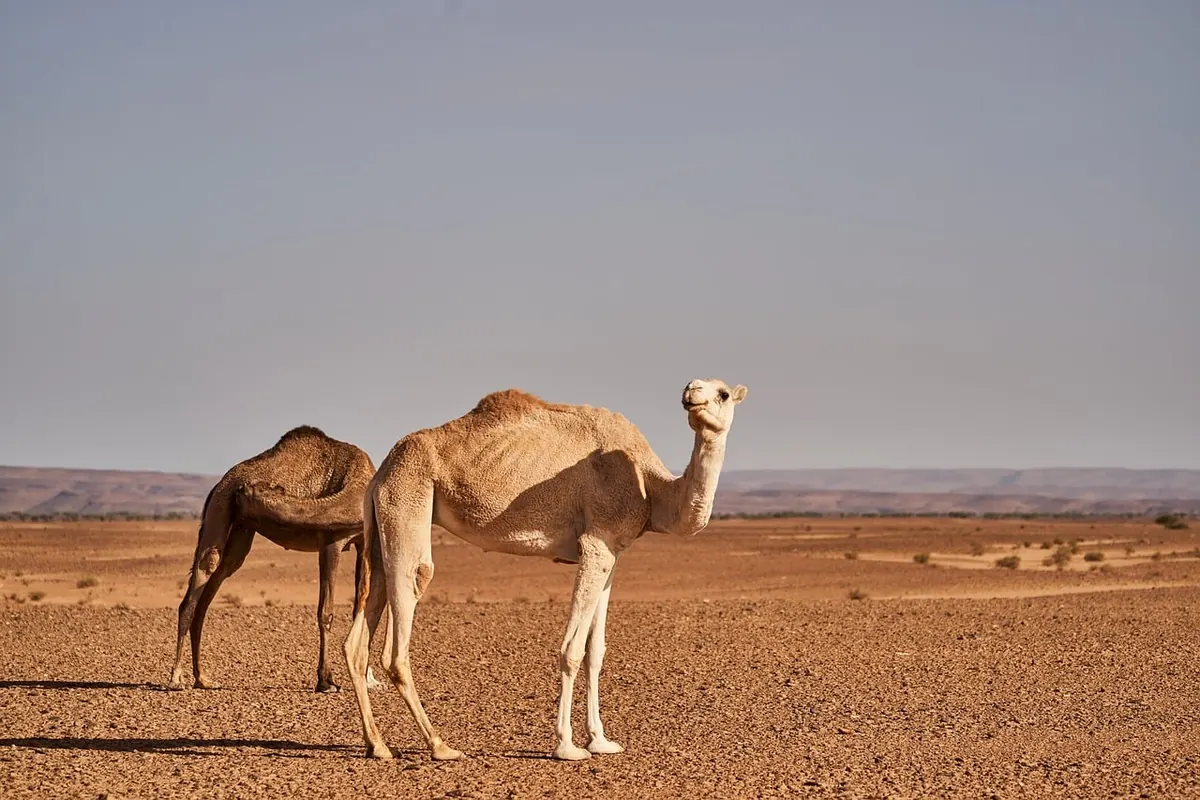
The golden dunes of Erg Chebbi near Merzouga are the Morocco of postcards. Ride a camel at sunset, sleep in a desert camp and watch the sunrise over the dunes. Most trips from Marrakech take three days; from Fez it's a long day's drive.
You ride a camel into the dunes as the sun turns them orange, then sit by the fire at camp, listening to Berber drums under a sky full of stars. Get up early to watch the sunrise from the top of a dune.
North and coast
6. Chefchaouen
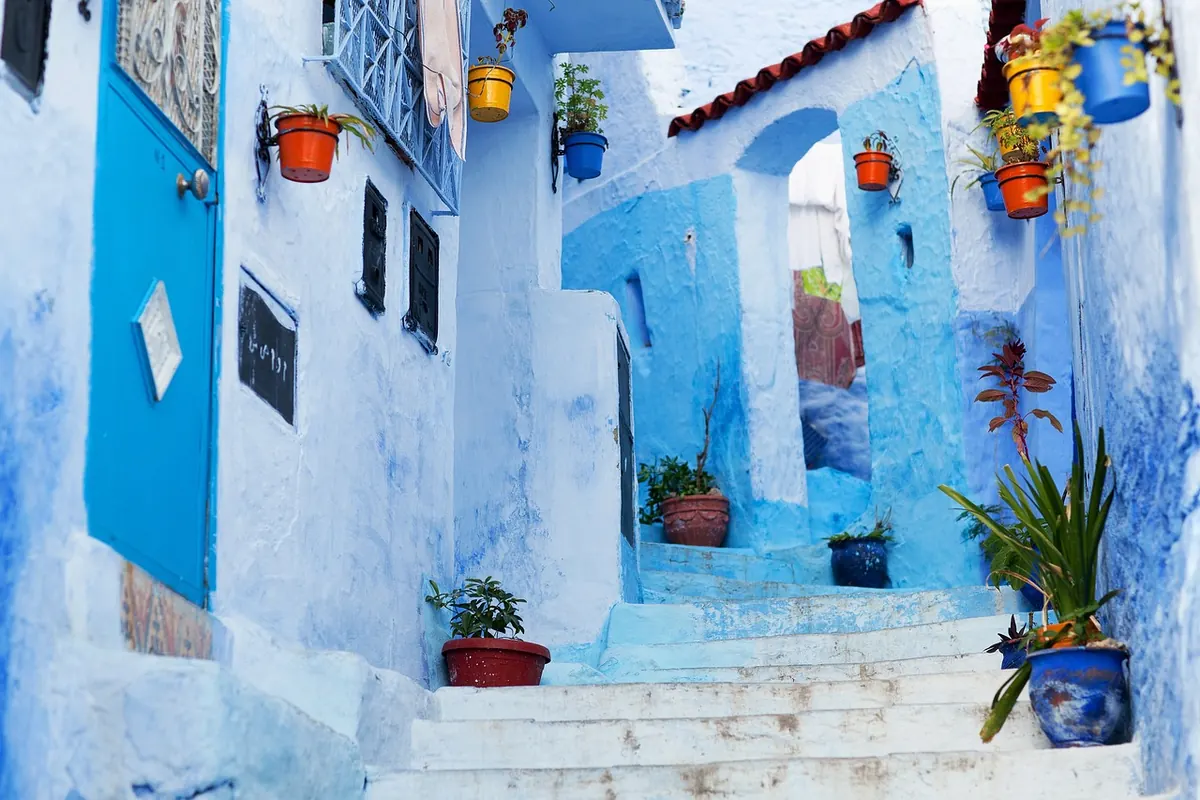
In the Rif mountains, Chefchaouen's lanes are painted every shade of blue. It's relaxed, photogenic and a good base for walks to the Akchour waterfalls. See our pick of the world's most charming small towns.
Every wall, door and staircase is painted in shades of blue, and the town feels calm and relaxed, with the Rif mountains rising behind. Walk up to the Spanish Mosque for sunset.
7. Tangier
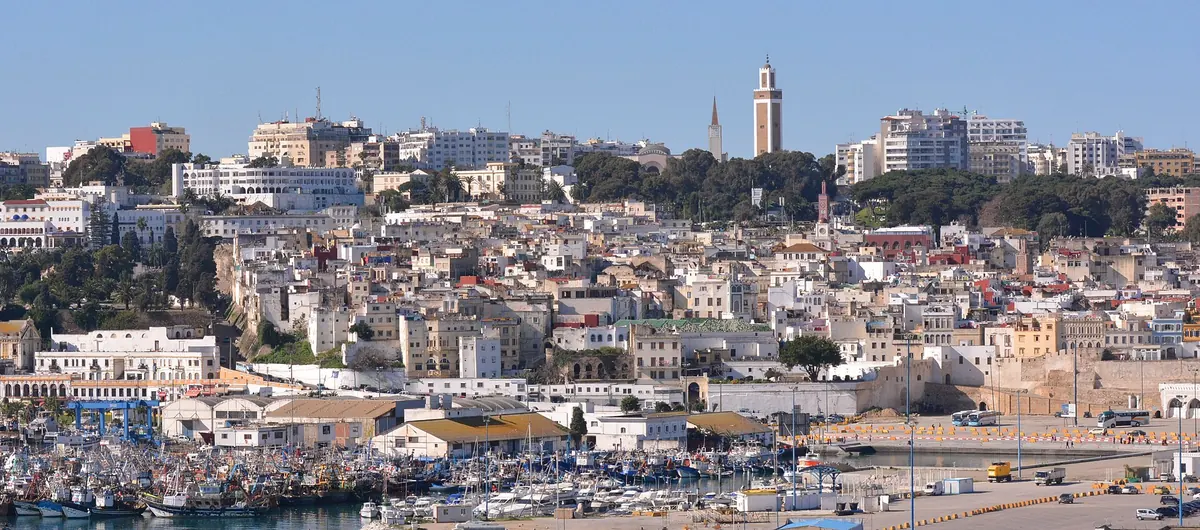
At the meeting of the Mediterranean and the Atlantic, Tangier has been reborn as a stylish city with a lively medina, the Kasbah Museum and cafés that once welcomed writers and artists. The Caves of Hercules are nearby.
The ferry horns, the view across the strait to Spain and the old cafés of the medina where writers once gathered – Tangier has a unique, slightly mysterious atmosphere.
8. Essaouira
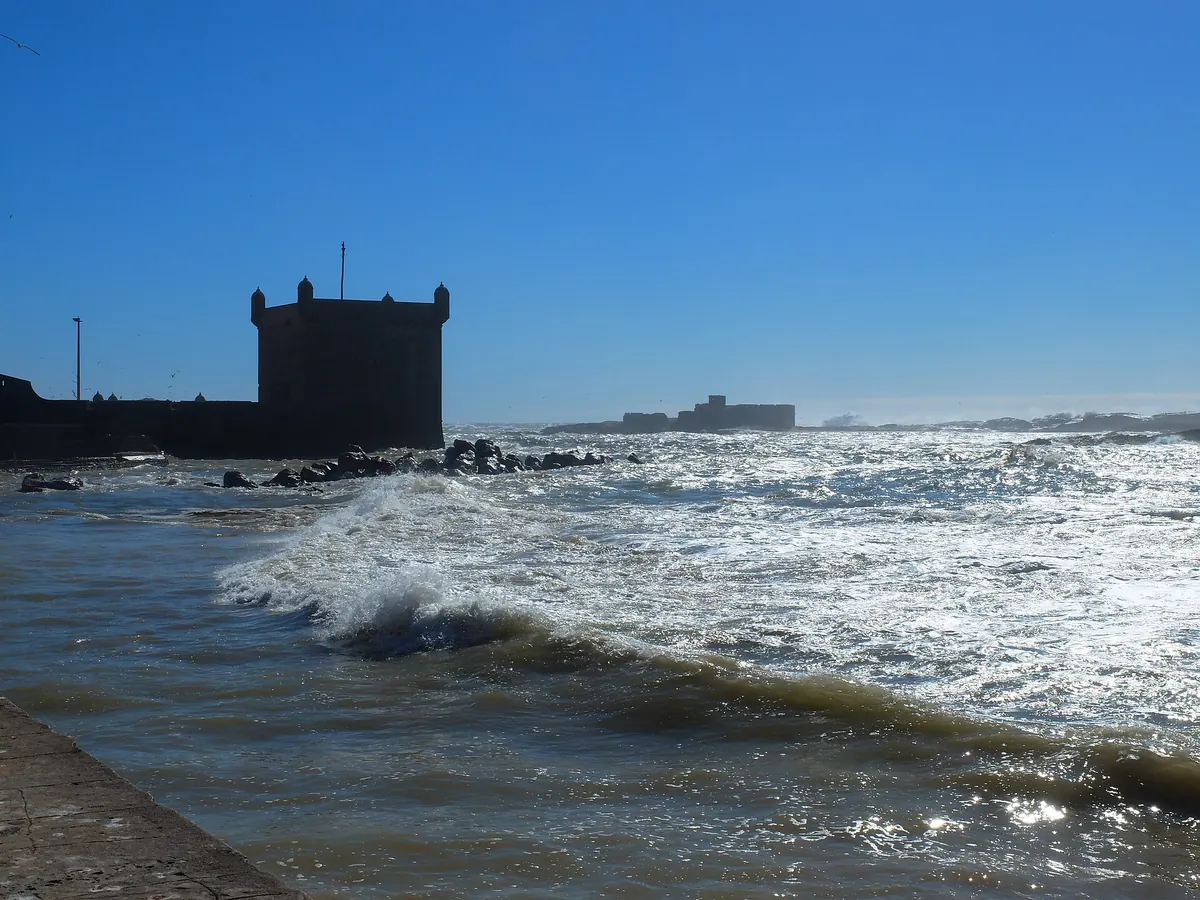
The breezy Atlantic port with a UNESCO medina, blue fishing boats and kitesurfing beaches is a perfect contrast to the heat inland. Read our Essaouira guide.
The wind blows off the Atlantic, seagulls circle over the blue fishing boats and the white medina is relaxed and artistic – eat fresh grilled fish at the harbour stalls.
A two-week route idea
- Days 1–3: Marrakech and a day in the Atlas.
- Days 4–6: Aït Benhaddou, the Dadès Gorge and the Sahara at Merzouga.
- Days 7–9: drive north via the Middle Atlas cedar forests to Fez.
- Days 10–11: Chefchaouen.
- Days 12–14: Rabat or Tangier, then fly home – or swap for Essaouira if you prefer the coast.
Tips
- Dress modestly, especially outside the big cities.
- Bargain politely in souks.
- Book desert trips carefully: check camp facilities and group size.
- Pack layers: desert nights and mountain passes are cold.
- Start in Marrakech: see our Marrakech guide.
Frequently asked questions
How long do you need to see Morocco?
Ten days to two weeks lets you combine Marrakech, the Atlas, the Sahara, Fez and Chefchaouen. With a week, choose either the south (Atlas and desert) or the north (Fez and Chefchaouen).
What is the best time to visit Morocco?
Spring (March–May) and autumn (September–November). Summer is very hot inland; desert nights are cold in winter.
Is it easy to travel around Morocco?
Yes. Trains link Tangier, Rabat, Casablanca, Fez and Marrakech, and CTM and Supratours buses go further. For the Atlas and the Sahara, a tour or private driver is easiest.
Keep reading
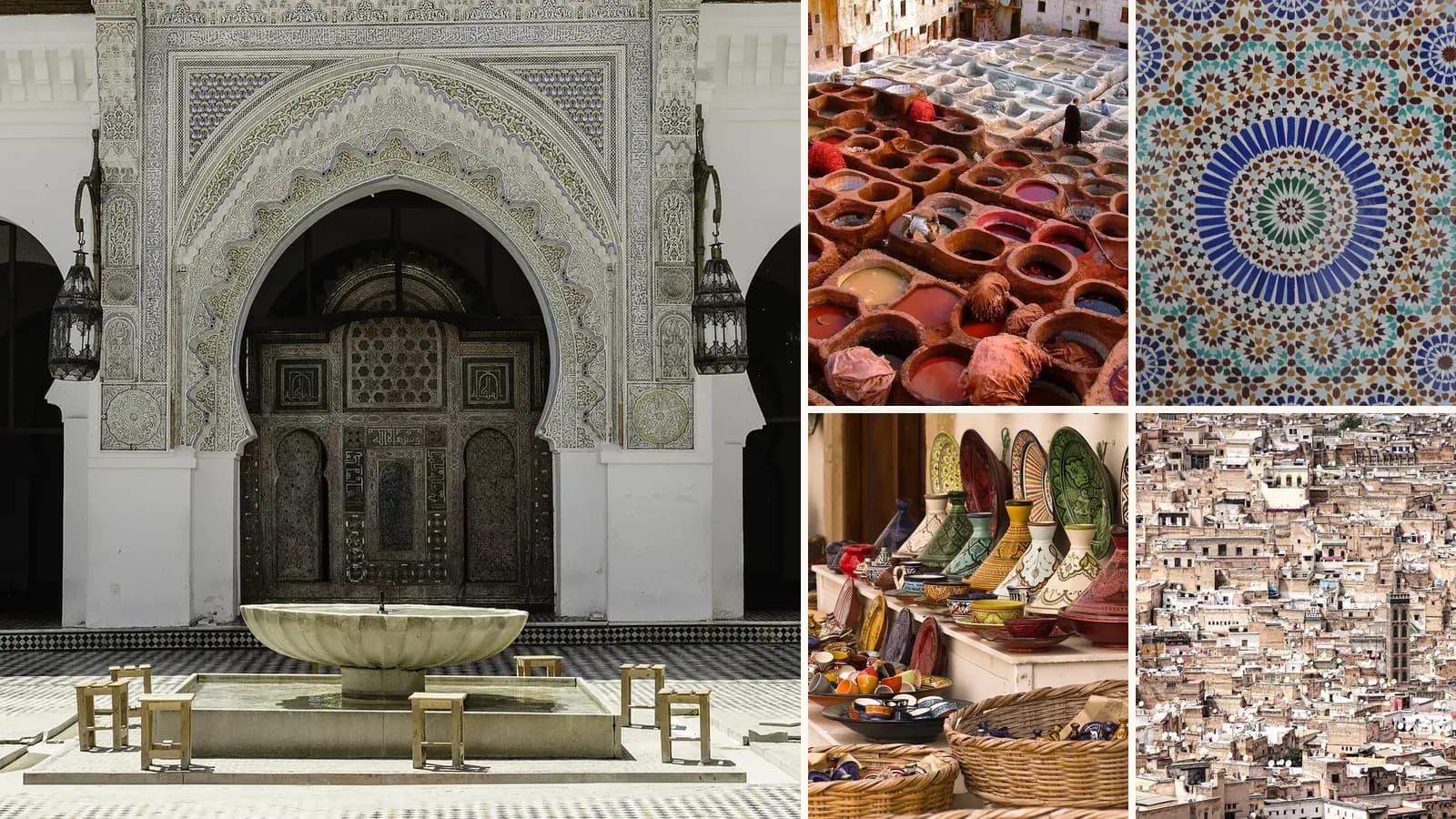
Fez, Morocco: The Medina, the Tanneries and the Best Things to Do
The best things to do in Fez, Morocco: the Fes el-Bali medina, Chouara tanneries, Bou Inania and Al-Attarine madrasas, riads, food, day trips and tips for visitors.
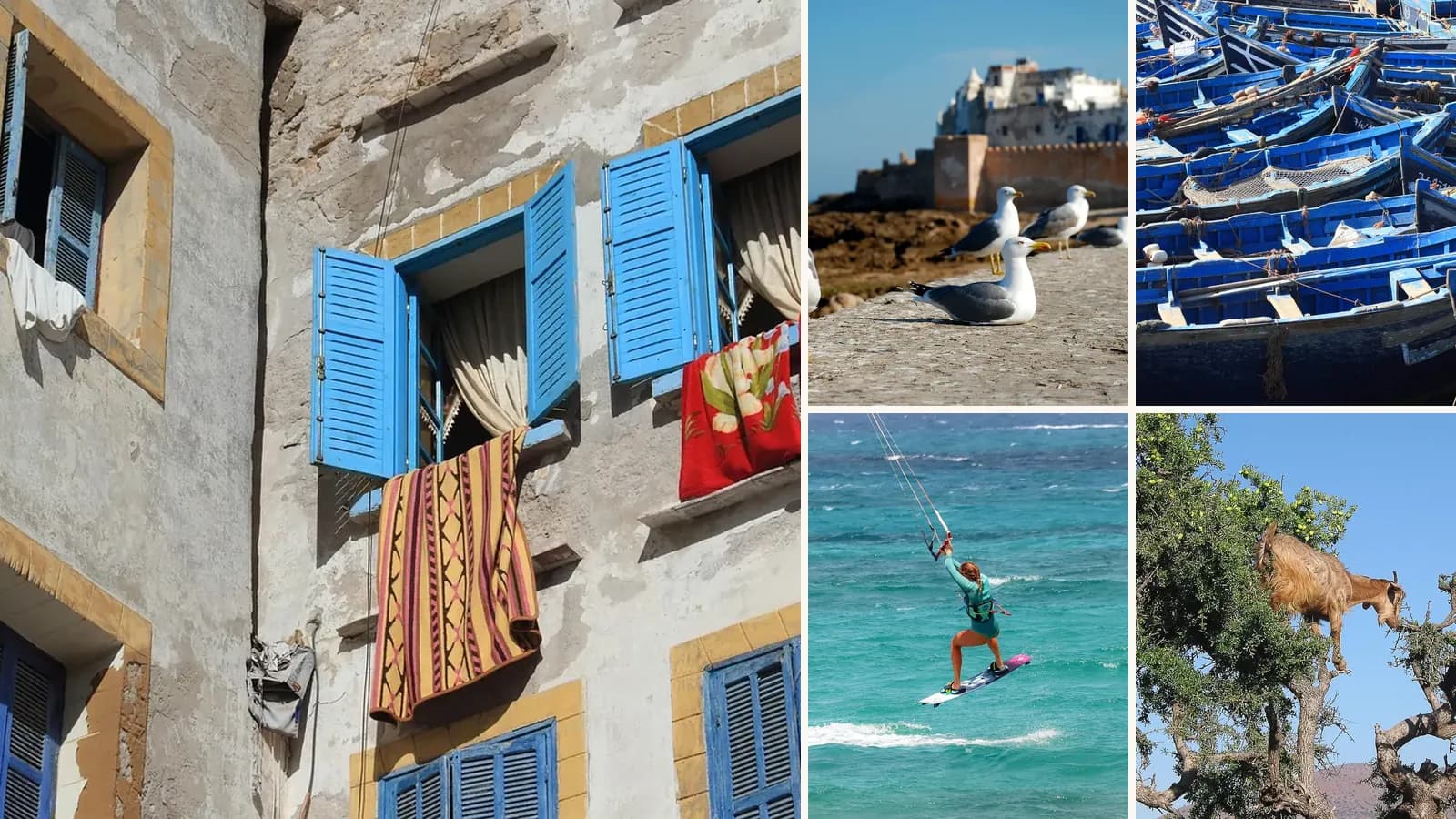
How to Take the Ultimate Trip to Essaouira, Morocco's Windy City
Plan the ultimate trip to Essaouira: the UNESCO medina, ramparts, fishing port, kitesurfing, the Gnaoua festival and getting there from Marrakech.
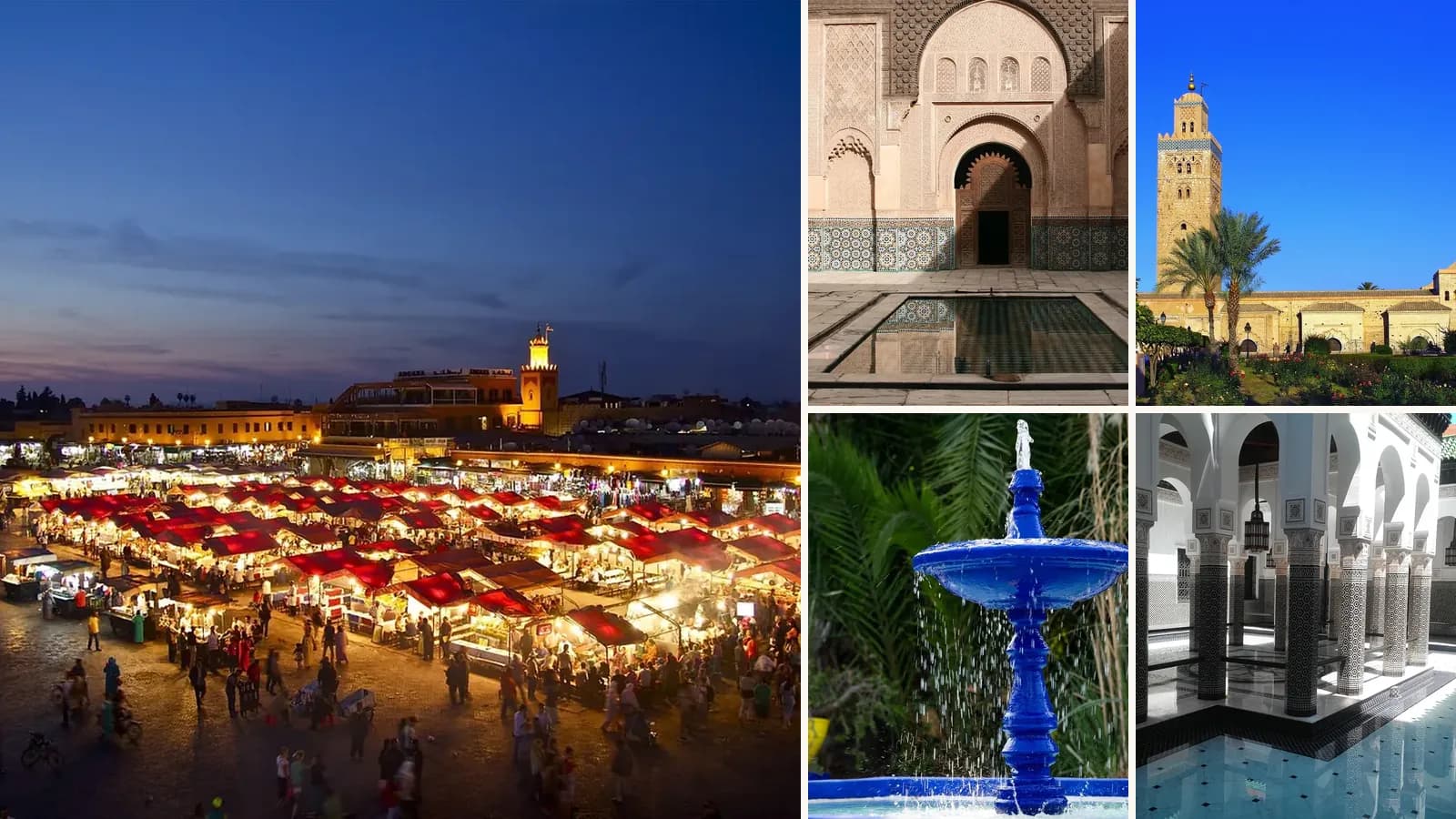
Best Things to See and Do in Marrakech: From Bustling Souks to Ornate Palaces
Jemaa el-Fnaa, the souks, Jardin Majorelle, Bahia Palace, hammams and day trips to the Atlas – the best things to do in Marrakech.
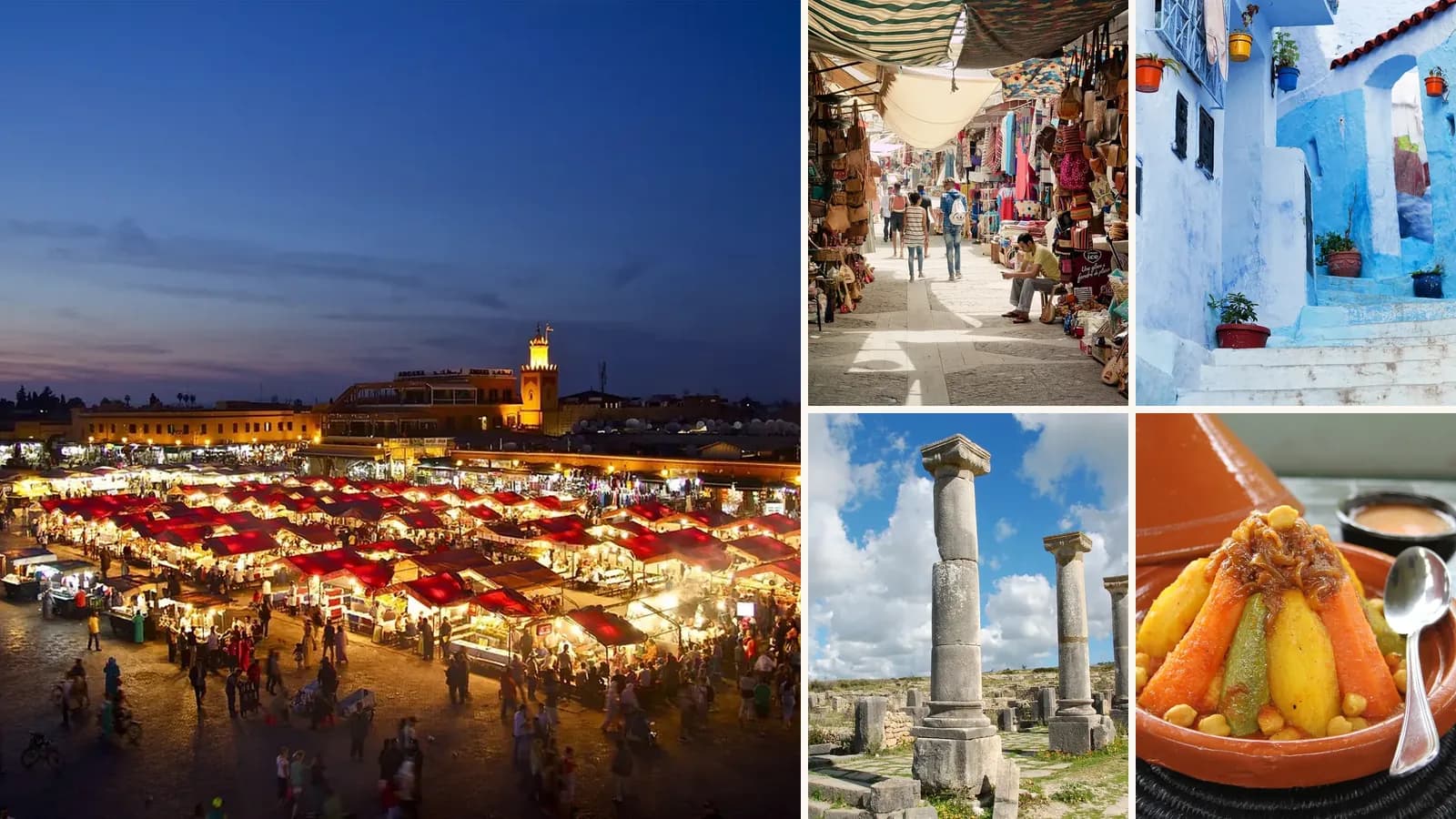
10 Experiences in Morocco You Shouldn't Miss
Sleep in the Sahara, get lost in Fez, walk blue Chefchaouen and trek the High Atlas – ten experiences that define a trip to Morocco.