Fez, Morocco: The Medina, the Tanneries and the Best Things to Do
The best things to do in Fez, Morocco: the Fes el-Bali medina, Chouara tanneries, Bou Inania and Al-Attarine madrasas, riads, food, day trips and tips for visitors.

Some links in this guide are partner links: if you buy through them we may earn a small commission, at no extra cost to you. It never affects what we recommend. How we make money
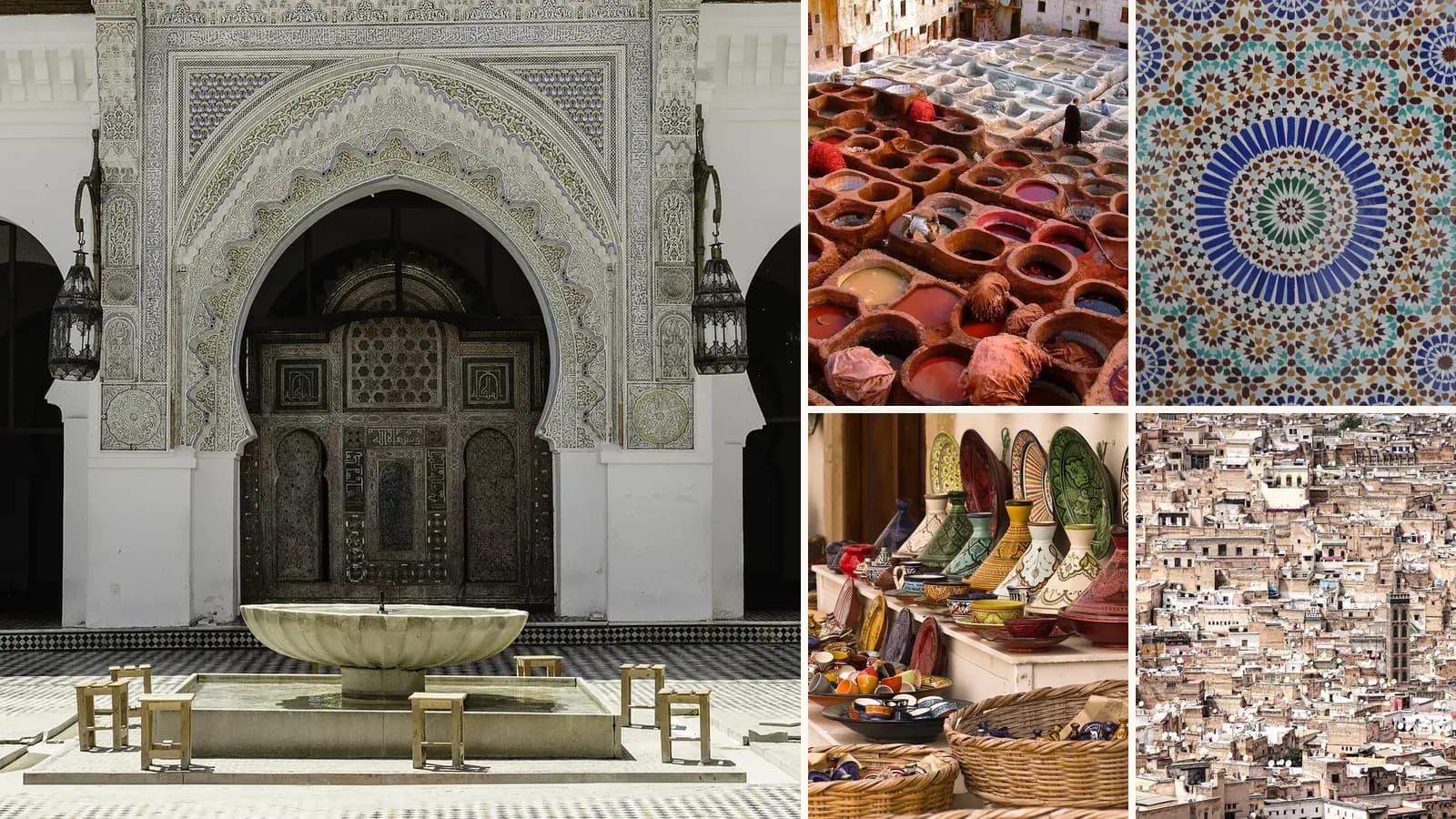
If Marrakech is Morocco's showpiece, Fez is its soul. The medina of Fes el-Bali, founded in the 9th century, is one of the largest car-free urban areas in the world and a UNESCO World Heritage Site: a labyrinth of alleys where donkeys still carry goods, craftsmen work as they have for centuries and the call to prayer echoes over the rooftops. Here are the best things to do in Fez, with tips for finding your way.
Inside the medina
1. Get lost in Fes el-Bali
Enter through the blue-tiled Bab Boujloud gate and follow the two main streets, Talaa Kebira and Talaa Seghira, down through the medina. Getting lost is part of the experience – when you need to find your way, head downhill towards the river or ask a shopkeeper. Offline maps help but aren't always accurate.
The alleys are so narrow that donkeys loaded with goods brush your shoulders, with cries of "balak!" (watch out) warning you to step aside. Thousands of lanes twist and turn, and the scent of bread from communal ovens, spices and leather fills the air. Hire an official guide for your first walk – without one you'll get lost, and unofficial guides will follow you.
2. The Chouara Tannery
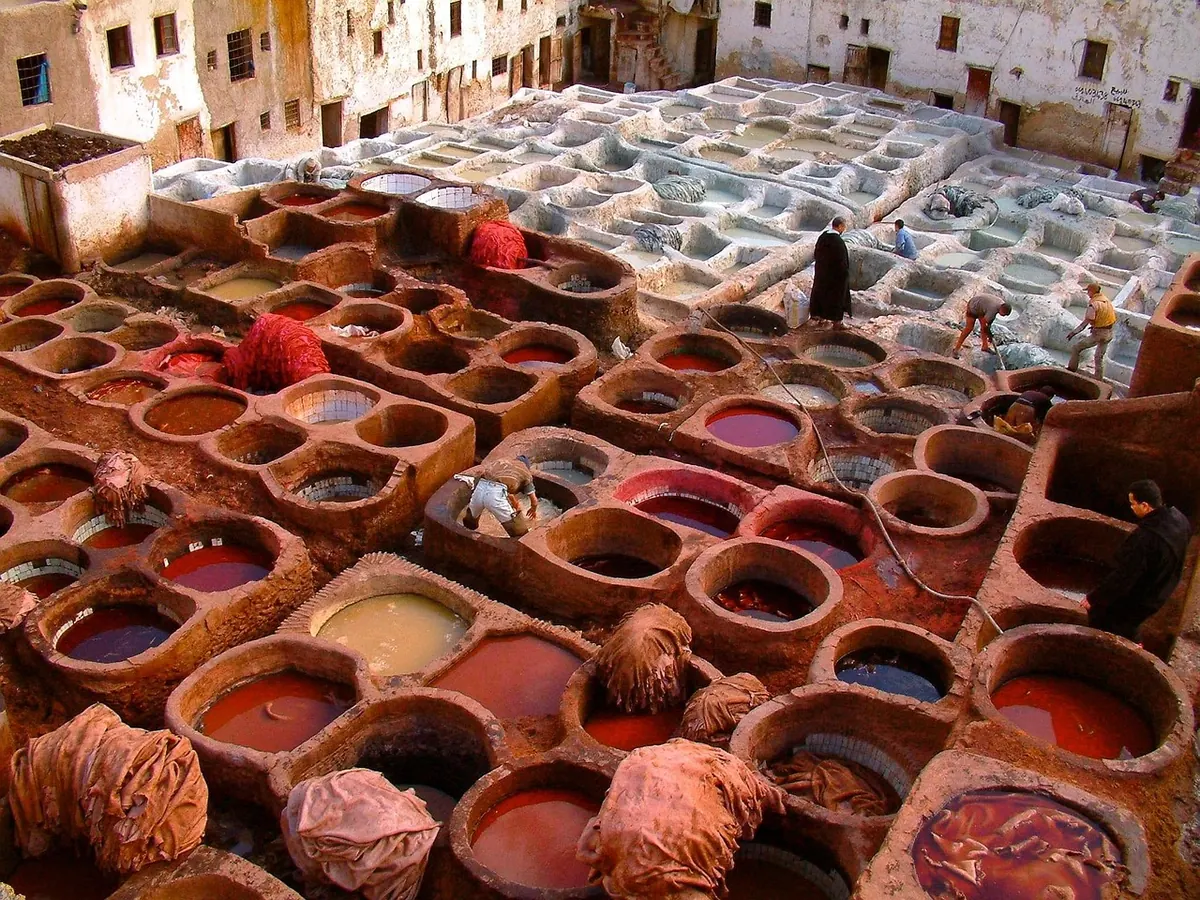
The famous leather tannery, with its honeycomb of stone vats filled with dyes, has been working in much the same way for centuries. Shops around it have terraces with the best views – you'll be offered a sprig of mint for the smell, and expected to browse the leather goods. A small purchase or tip is courteous; you're not obliged to buy.
From a leather shop's terrace you look down on a honeycomb of stone vats filled with white, brown and coloured dyes, with workers standing knee-deep in them. The smell is strong – you'll be handed a sprig of mint to hold to your nose. Expect a sales pitch for leather goods on the way out.
3. Bou Inania Madrasa
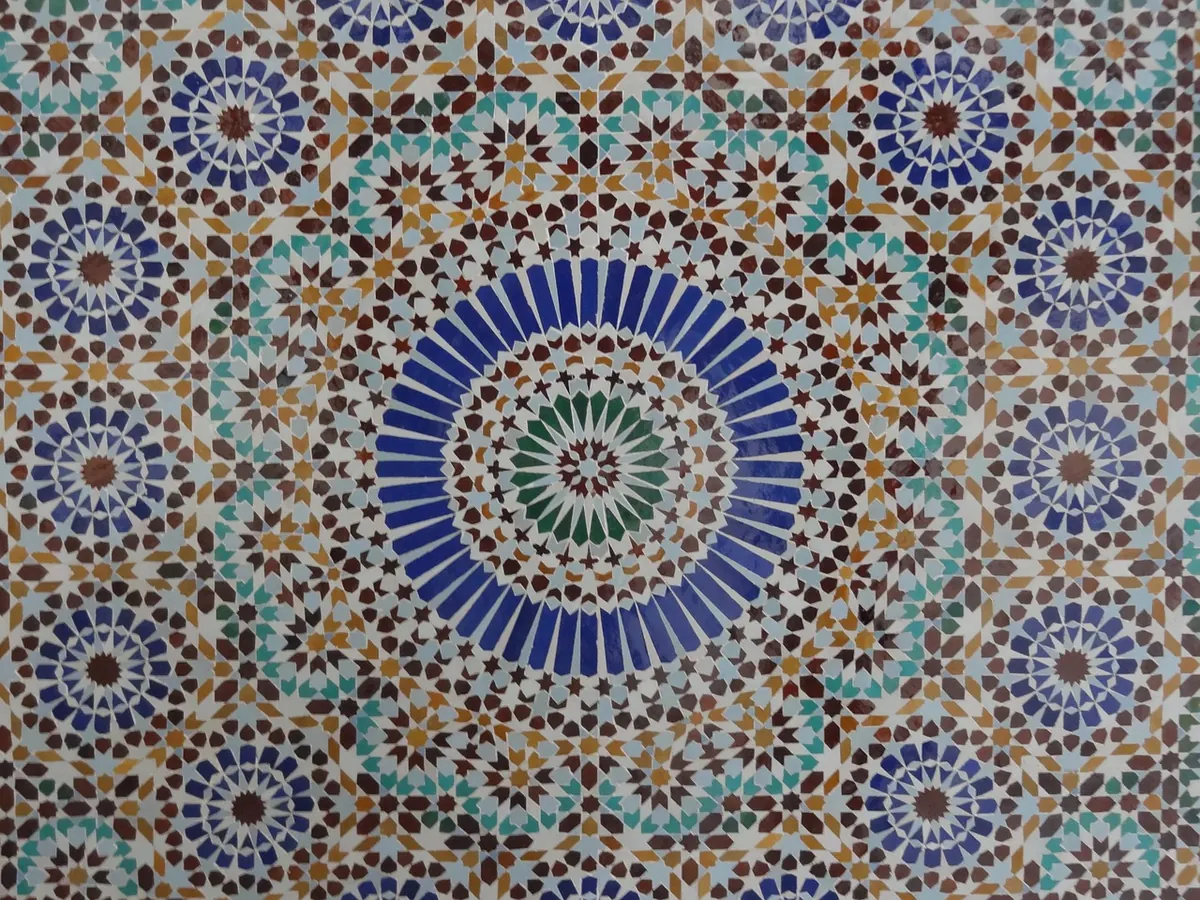
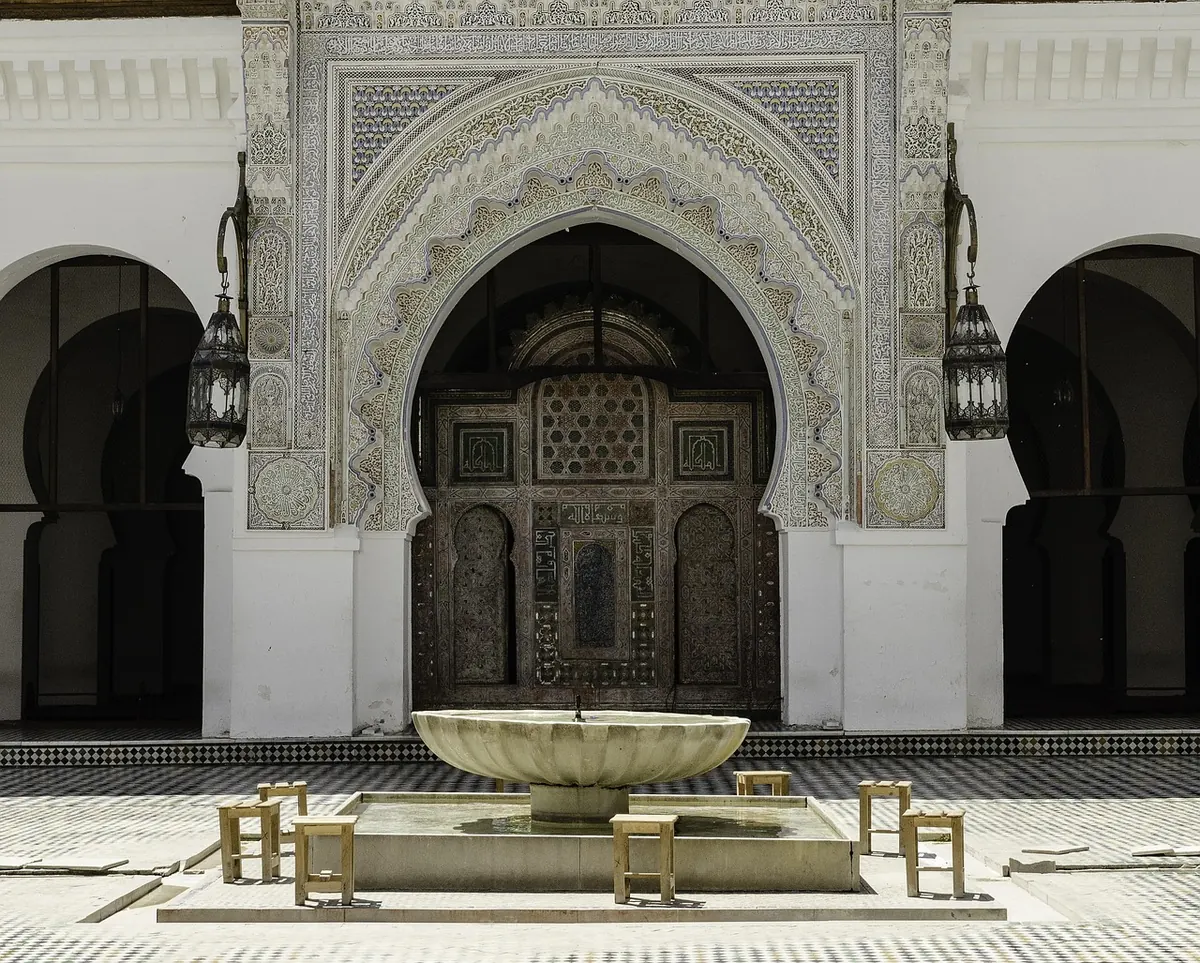
This 14th-century religious school is one of the few religious buildings in Fez open to non-Muslims. Its courtyard is a masterpiece of carved cedar, stucco and zellige tilework.
Every surface of the courtyard is carved, tiled or painted, from the marble floor to the cedar beams, and the light changes the colours throughout the day.
4. Al-Attarine Madrasa
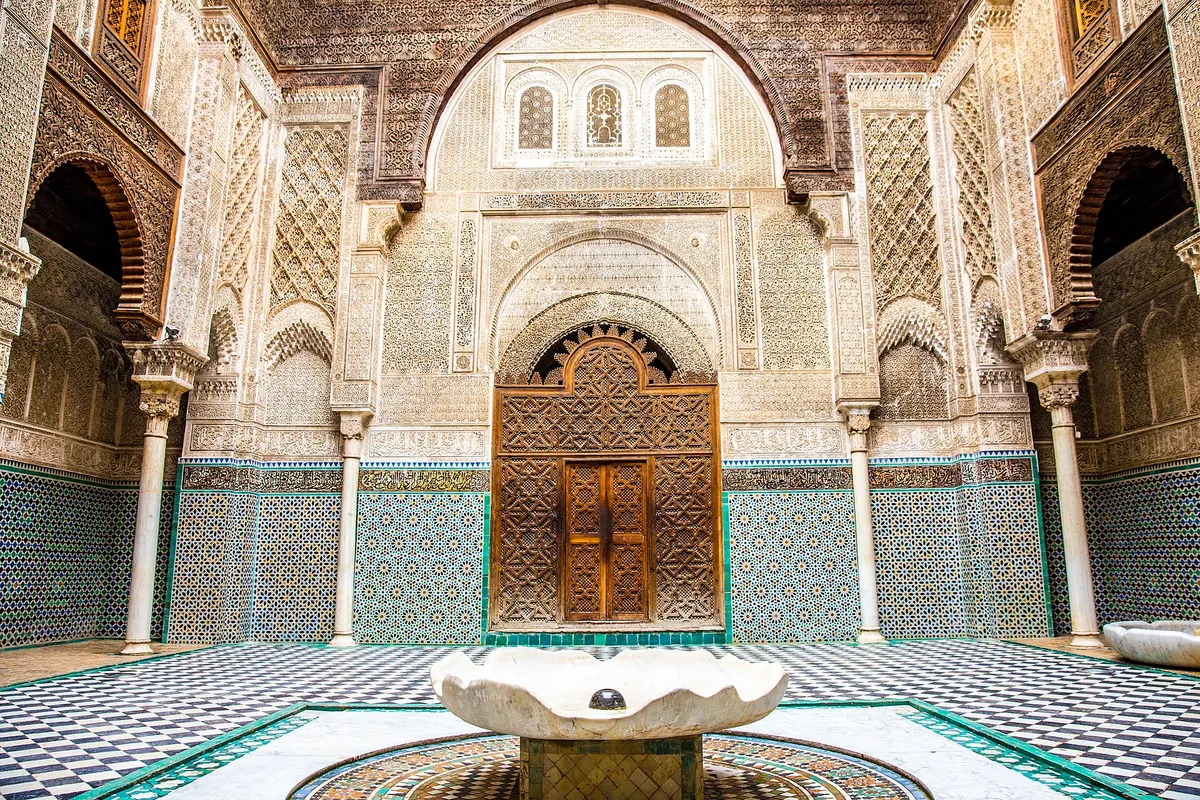
Smaller but just as beautiful, Al-Attarine sits next to the spice and perfume market near the heart of the medina. Climb to the roof for a view of the green-tiled roof of the Al-Qarawiyyin mosque.
Small but breathtaking: the courtyard is a jewel box of zellige tiles, carved stucco and cedar. Come early, when the light is soft and the space is quiet.
5. Al-Qarawiyyin
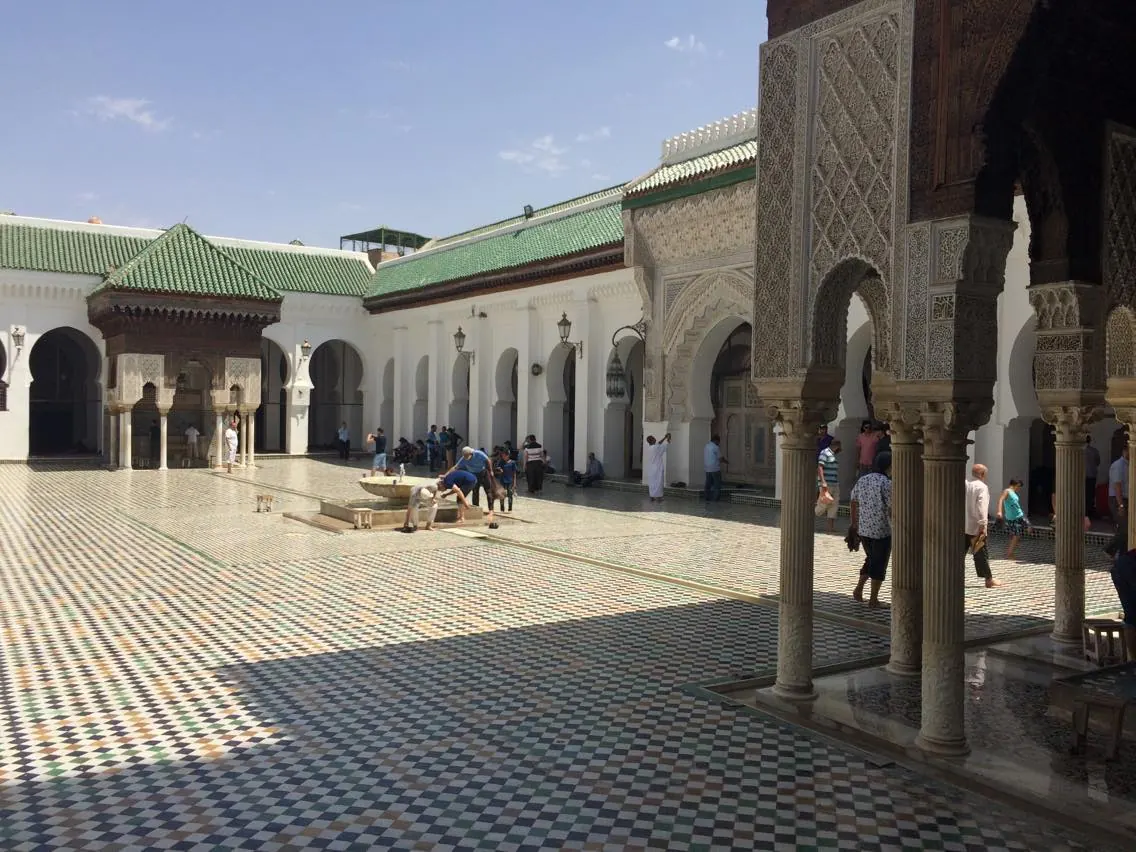
Founded in 859 by Fatima al-Fihri, Al-Qarawiyyin is often described as the oldest continuously operating university in the world. Non-Muslims can't enter the mosque, but you can glimpse its courtyard through the doors.
Through the open doors, you glimpse a vast prayer hall with rows of arches and a courtyard with fountains. Non-Muslims can't enter, but even from the doorway, the scale and peace are impressive.
6. The souks and crafts
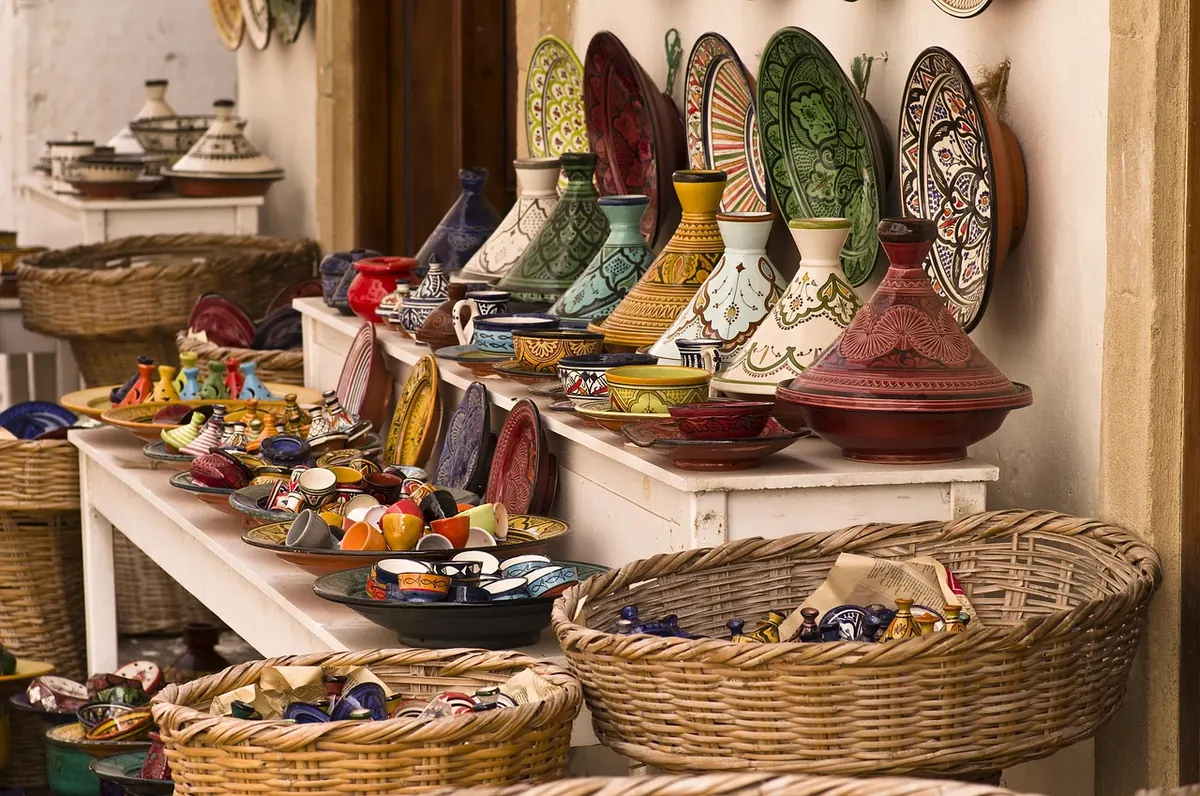
Each quarter has its trade: the Seffarine square of metalworkers hammering copper, the dyers' souk, carpenters, weavers and potters. Fez is famous for its blue-and-white pottery and zellige tiles.
In each quarter a different craft: the hammering of coppersmiths in Place Seffarine, the click of looms, the smell of cedar in the carpenters' souk. It's a living medieval workshop.
Beyond the old medina
7. Fes el-Jdid and the Royal Palace
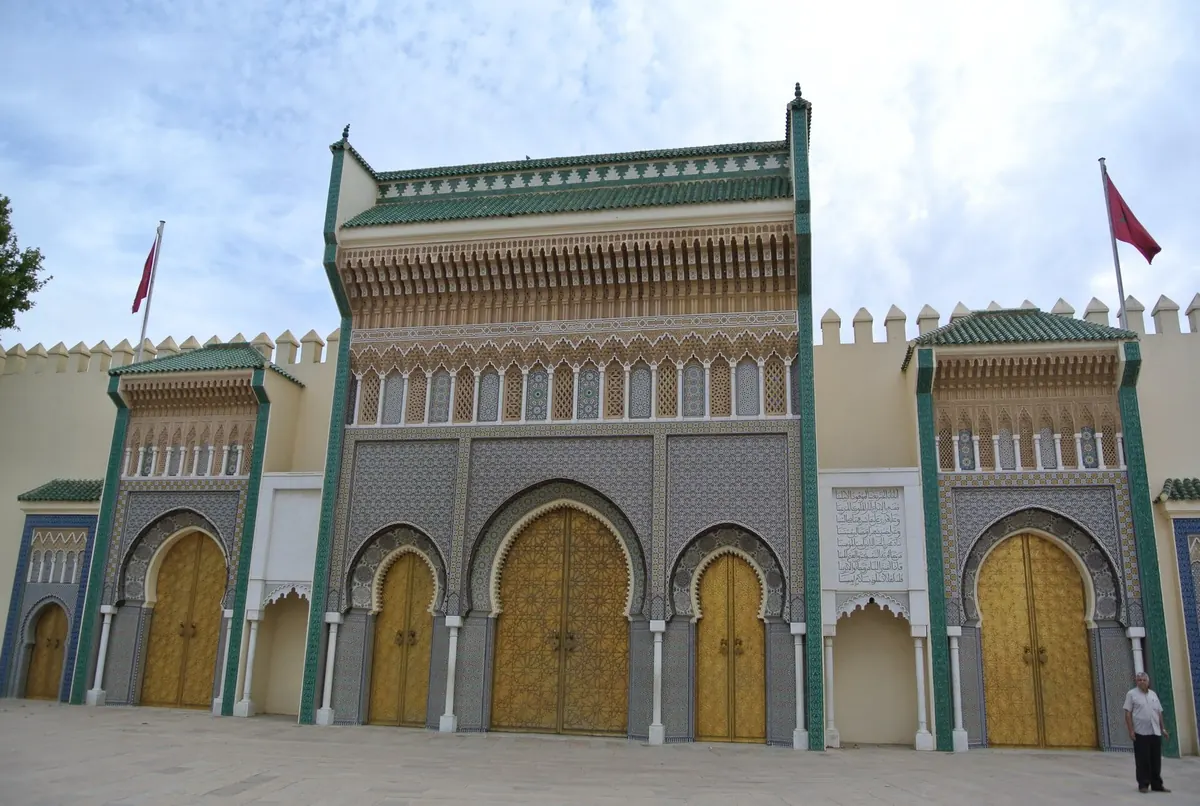
The "new" Fez (from the 13th century!) holds the golden doors of the Royal Palace – you can only see them from outside – and the old Jewish quarter, the Mellah, with its distinctive balconies and synagogues.
The golden doors of the Royal Palace gleam in the sun, decorated with intricate brass and surrounded by green and blue tiles – a favourite spot for photos.
8. The Merenid Tombs and viewpoints
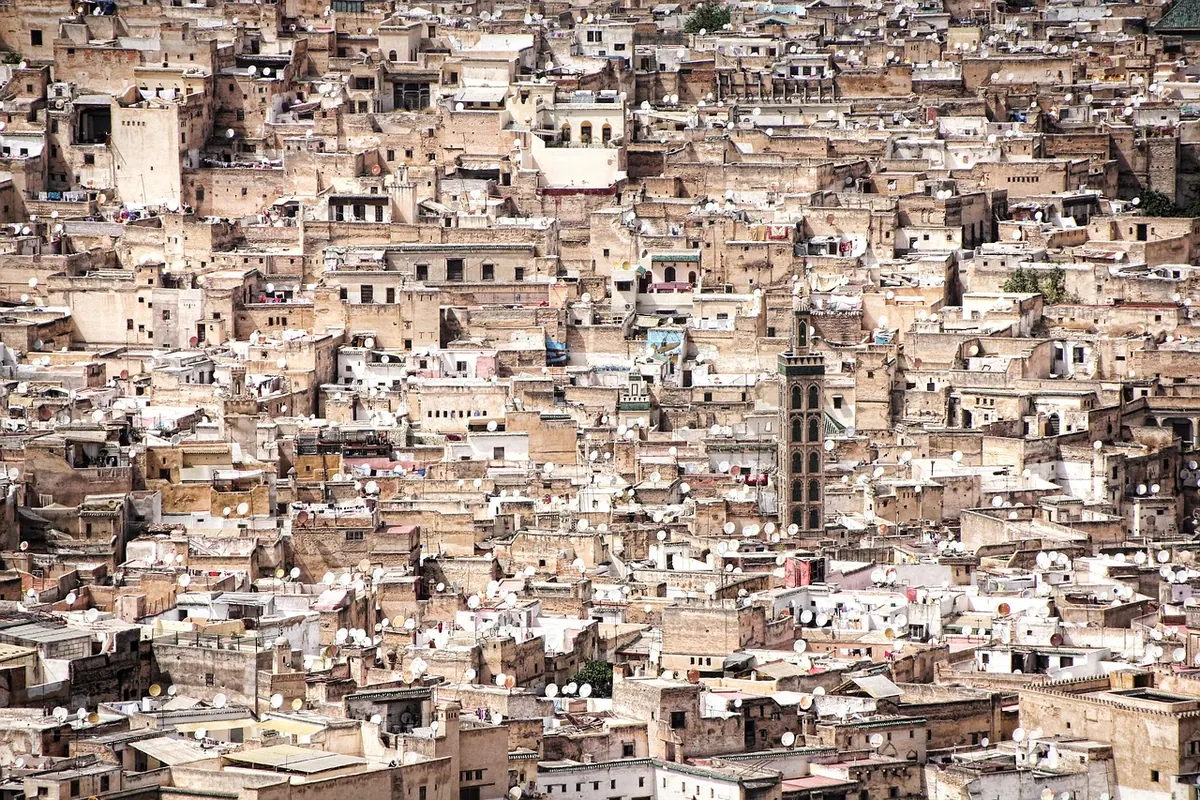
Climb to the ruined Merenid Tombs or the Borj Nord fortress for a panoramic view over the medina, especially at sunset when the call to prayer rings out.
From the hill, the whole medina spreads out below like a sea of rooftops and minarets, and at sunset the call to prayer rises from hundreds of mosques at once – an unforgettable sound.
Food and stays
9. Eat like a local
Try pastilla (a sweet-savoury pie), harira soup, tagines, bissara (fava bean soup) for breakfast and fresh msemen pancakes from street stalls. A cooking class in a riad is a great way to learn.
Sweet-and-savoury pastilla, steaming bowls of harira, snail soup at street stalls and fresh mint tea poured from high above the glass – Fez is a city to eat in.
10. Stay in a riad
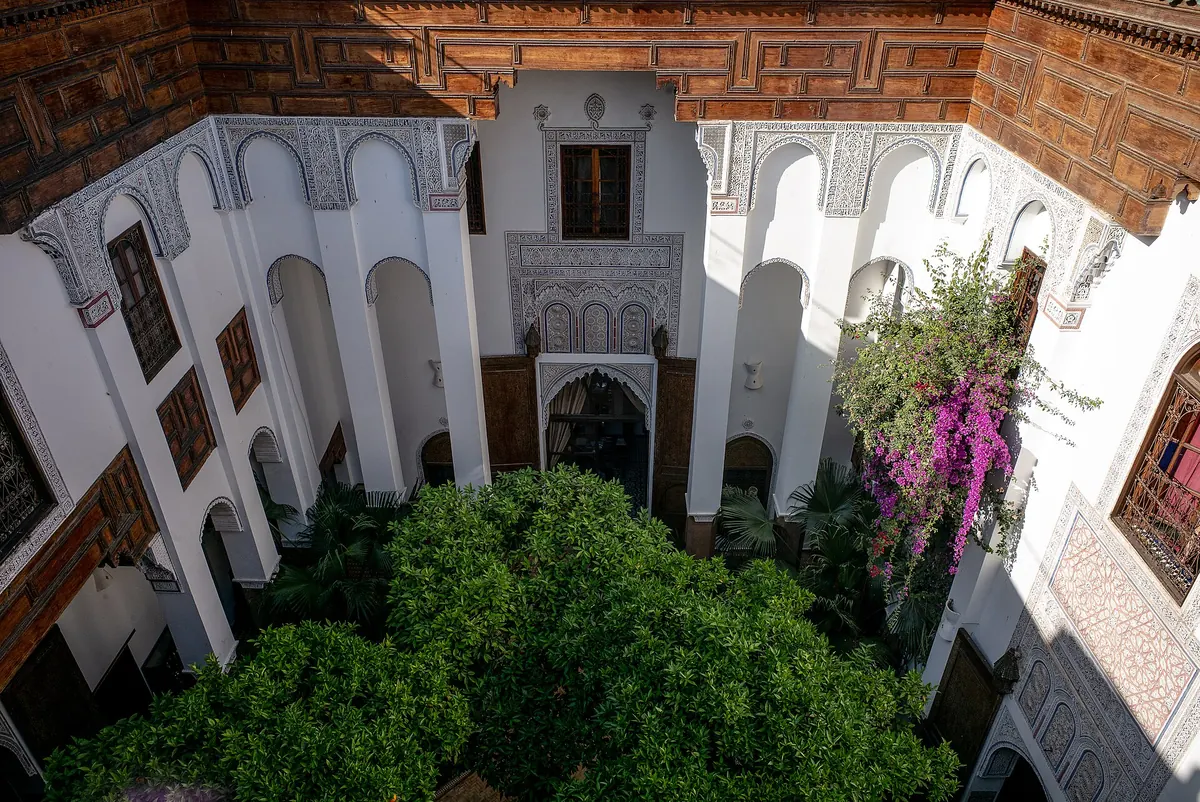
Traditional riads – houses built around a courtyard – are the best way to experience the medina, many beautifully restored with roof terraces. Ask your riad to meet you at the nearest gate, as taxis can't enter the medina.
Tiles, fountains, carved plaster and a quiet roof terrace with views over the medina – staying in a riad is like living inside a palace.
Day trips
- Meknes: another imperial city with grand gates, an hour away.
- Volubilis: the best-preserved Roman ruins in Morocco, with superb mosaics.
- Chefchaouen: the blue town of the Rif mountains, around four hours away – see Morocco beyond Marrakech.
Practical tips
- Guides: use licensed guides only; decline politely if strangers offer to show you the way.
- Dress: cover shoulders and knees, especially in the medina.
- Cash: carry dirhams in small notes; cards are accepted in some shops and riads.
- More Morocco: see our Marrakech guide and 10 experiences in Morocco.
Frequently asked questions
How many days do you need in Fez?
Two full days covers the medina, tanneries and madrasas at a comfortable pace. Add a day for Meknes and Volubilis.
Do you need a guide in Fez?
It's not essential, but a licensed guide is very helpful for a first visit – the medina has around 9,000 lanes. Book through your riad or the tourist office, and avoid unofficial guides who approach you in the street.
Is Fez safe for tourists?
Fez is generally safe. The main nuisances are persistent touts and unofficial guides; politely decline, keep valuables secure and use official taxis.
How do you get from Marrakech to Fez?
The train via Casablanca or Rabat takes around seven hours; there are also buses, private transfers and domestic flights.
Keep reading
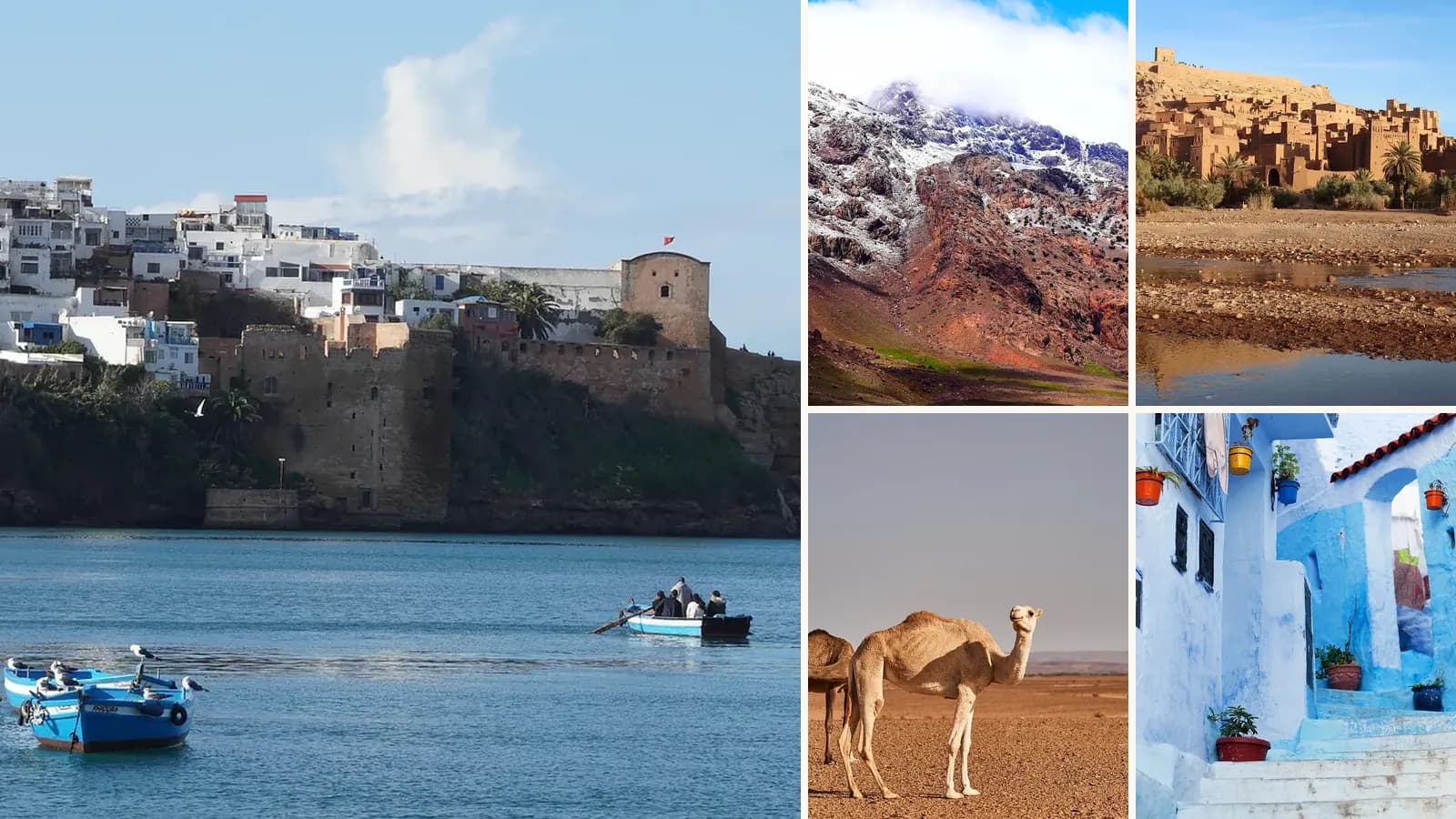
Morocco Beyond Marrakech: Chefchaouen, Fez, the Sahara and the Coast
Eight of Morocco's best places beyond Marrakech – Fez, Chefchaouen, the Sahara at Merzouga, the Atlas, Aït Benhaddou, Essaouira, Rabat and Tangier – with a route idea.
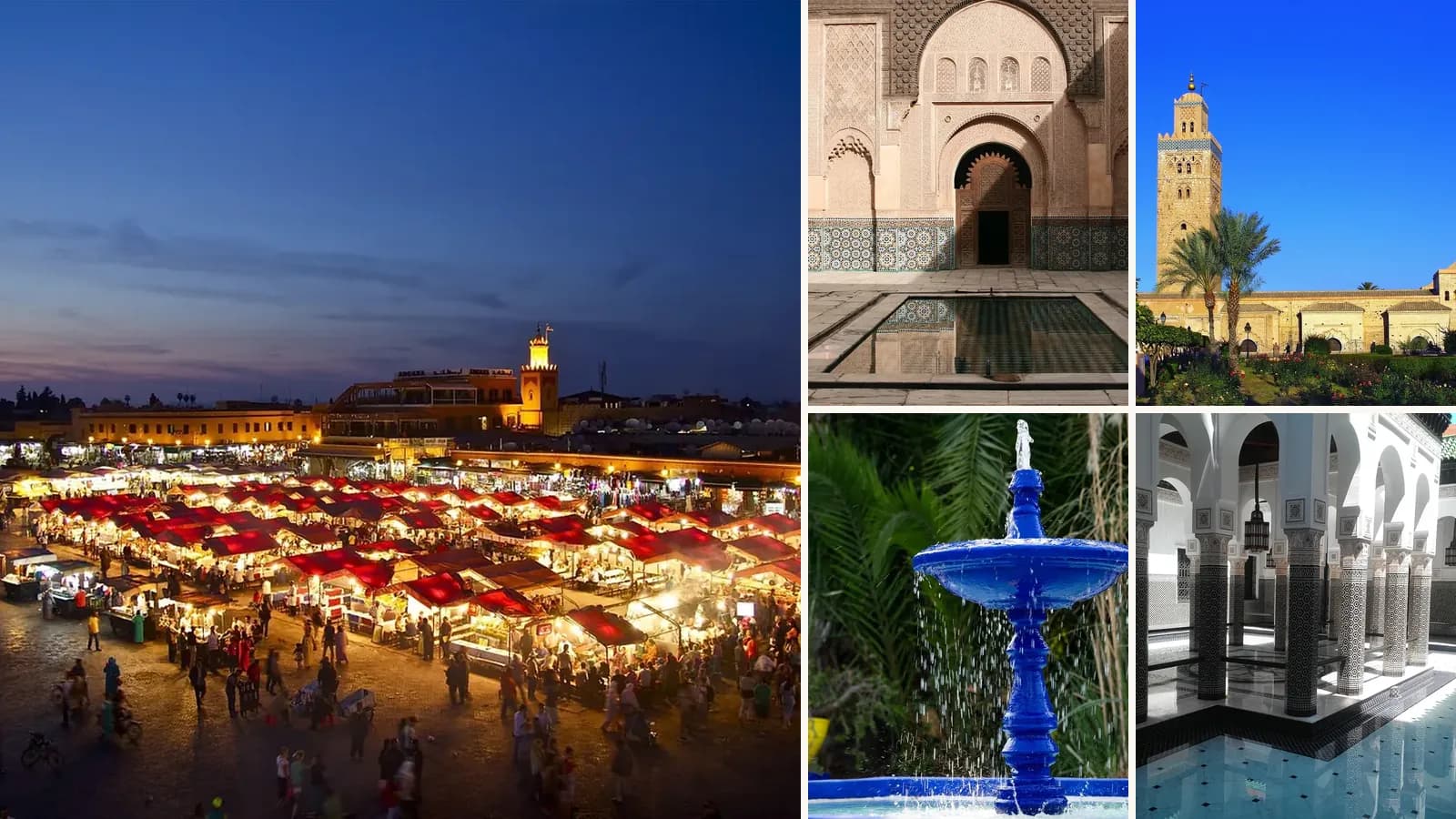
Best Things to See and Do in Marrakech: From Bustling Souks to Ornate Palaces
Jemaa el-Fnaa, the souks, Jardin Majorelle, Bahia Palace, hammams and day trips to the Atlas – the best things to do in Marrakech.
10 Experiences in Morocco You Shouldn't Miss
Sleep in the Sahara, get lost in Fez, walk blue Chefchaouen and trek the High Atlas – ten experiences that define a trip to Morocco.
How to Take the Ultimate Trip to Essaouira, Morocco's Windy City
Plan the ultimate trip to Essaouira: the UNESCO medina, ramparts, fishing port, kitesurfing, the Gnaoua festival and getting there from Marrakech.