The Incredible Story of the Mayflower, the Ship That Shaped America
The 1620 Mayflower voyage from Plymouth to Cape Cod, the Mayflower Compact, Plymouth Colony – and the places in England and Massachusetts where you can follow the story.
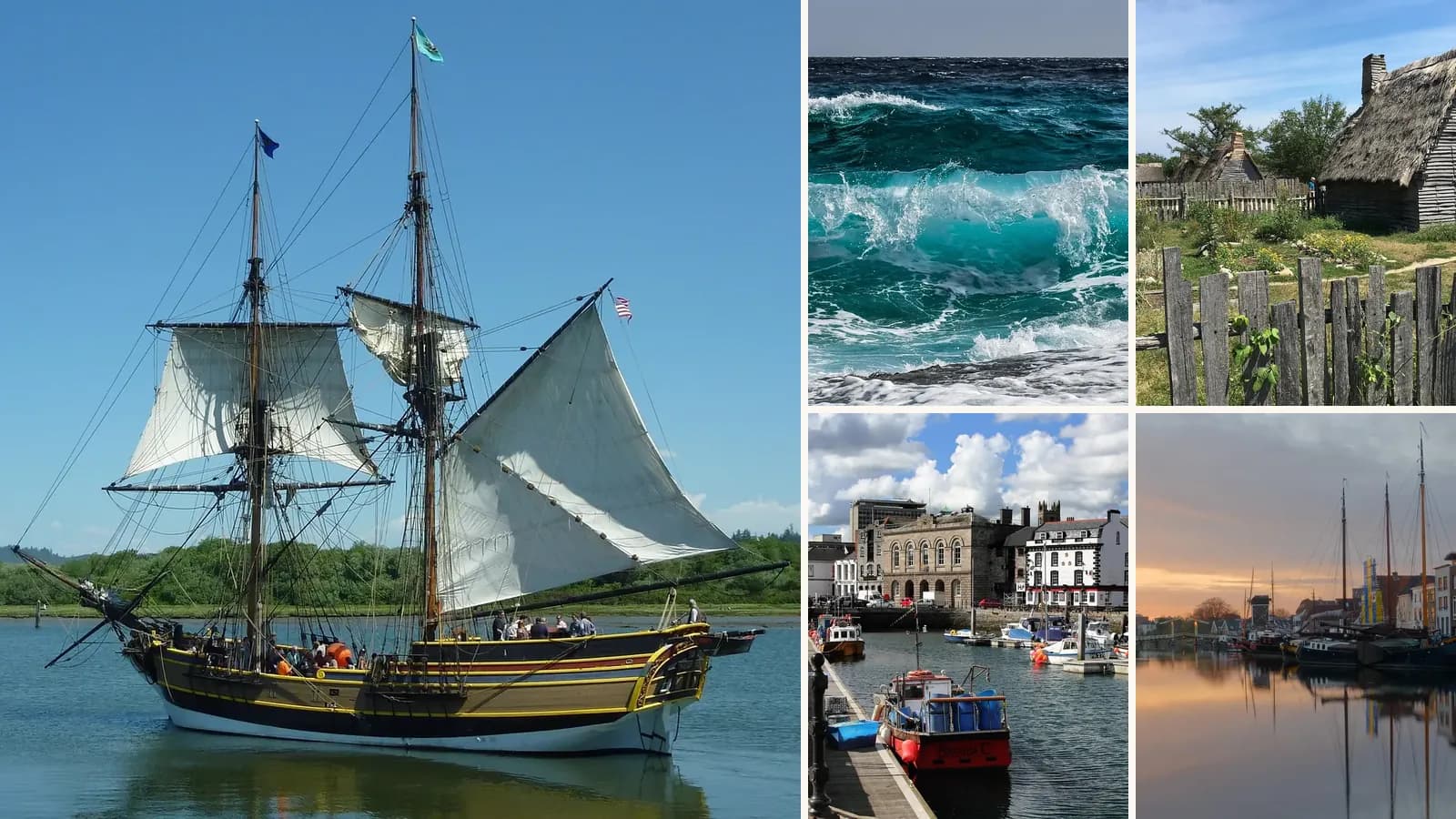
In September 1620, a small, weathered merchant ship left Plymouth in England carrying 102 passengers across the Atlantic. Two months later the Mayflower anchored off Cape Cod, and the settlement its passengers founded – Plymouth Colony – became one of the founding stories of the United States. More than four centuries later, millions of Americans are thought to descend from its passengers. Here is the story of the voyage, and the places on both sides of the Atlantic where you can still follow it.
The voyage
1. Who were the passengers?
Around half of the passengers were Separatists – English Protestants who had broken with the Church of England and had lived in exile in Leiden, in the Netherlands, for over a decade. They called themselves "Saints"; the others, recruited by the voyage's investors, they called "Strangers". Later generations named them all the Pilgrims. There were families with children, servants, craftsmen and the hired soldier Myles Standish.
2. A difficult start
The Separatists first sailed from Delfshaven in the Netherlands on a smaller ship, the Speedwell, to meet the Mayflower in Southampton. The Speedwell leaked so badly that both ships put into Dartmouth, then Plymouth, where the Speedwell was abandoned. On 6 September 1620, the Mayflower left Plymouth alone, late in the season and overcrowded.
3. Sixty-six days at sea
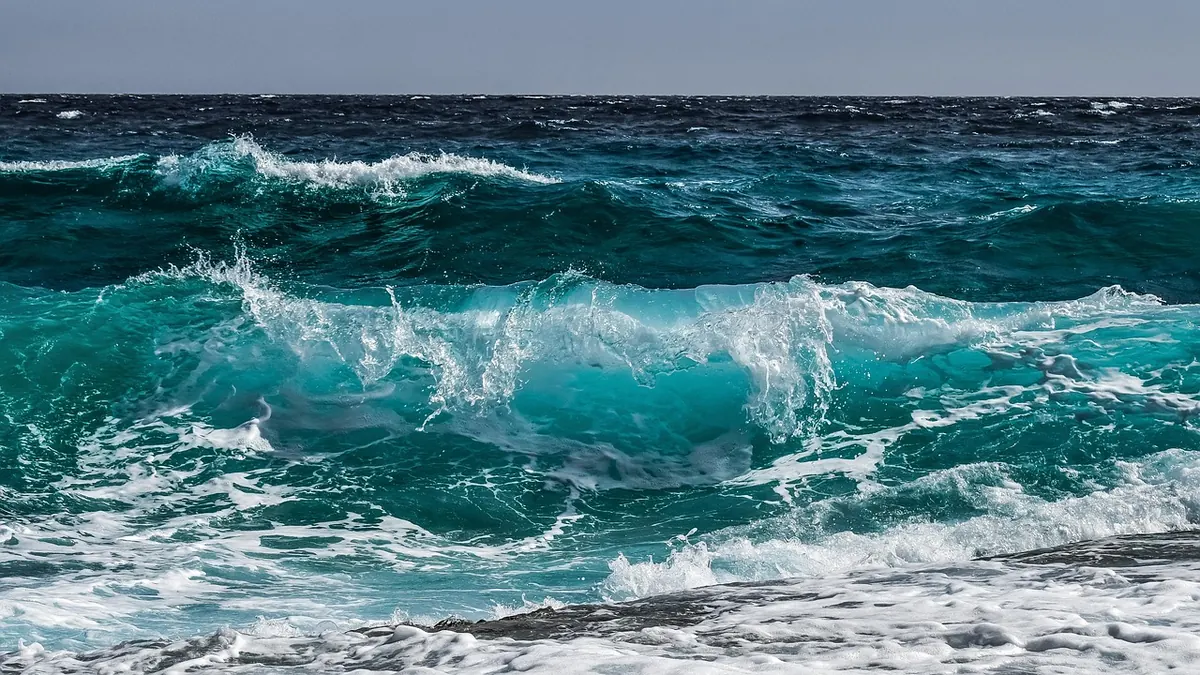
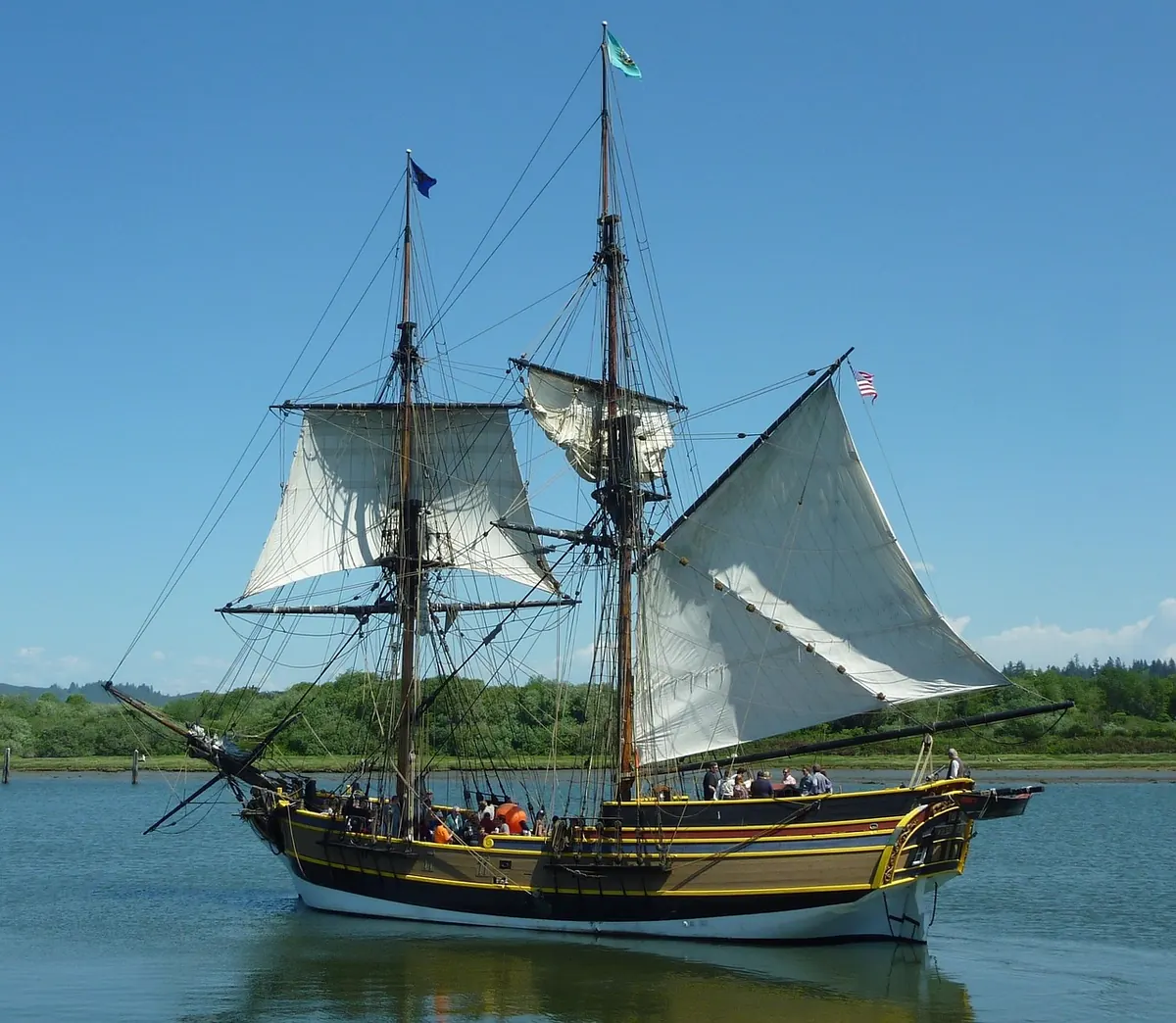
Autumn storms battered the ship; a main beam cracked and was repaired with a large iron screw. Passengers lived below deck in cramped, damp conditions. One passenger died and a baby, Oceanus Hopkins, was born at sea. On 9 November they sighted Cape Cod – far north of their intended destination near the Hudson River – and after failing to sail south, they turned back to anchor in what is now Provincetown Harbor.
The founding of Plymouth Colony
4. The Mayflower Compact
Because they were outside the territory of their patent, some passengers argued that no one had authority over them. Before landing, 41 men signed the Mayflower Compact, agreeing to form a "civil body politic" and obey laws made for the general good. It's often described as an early step toward self-government in America.
5. The first winter
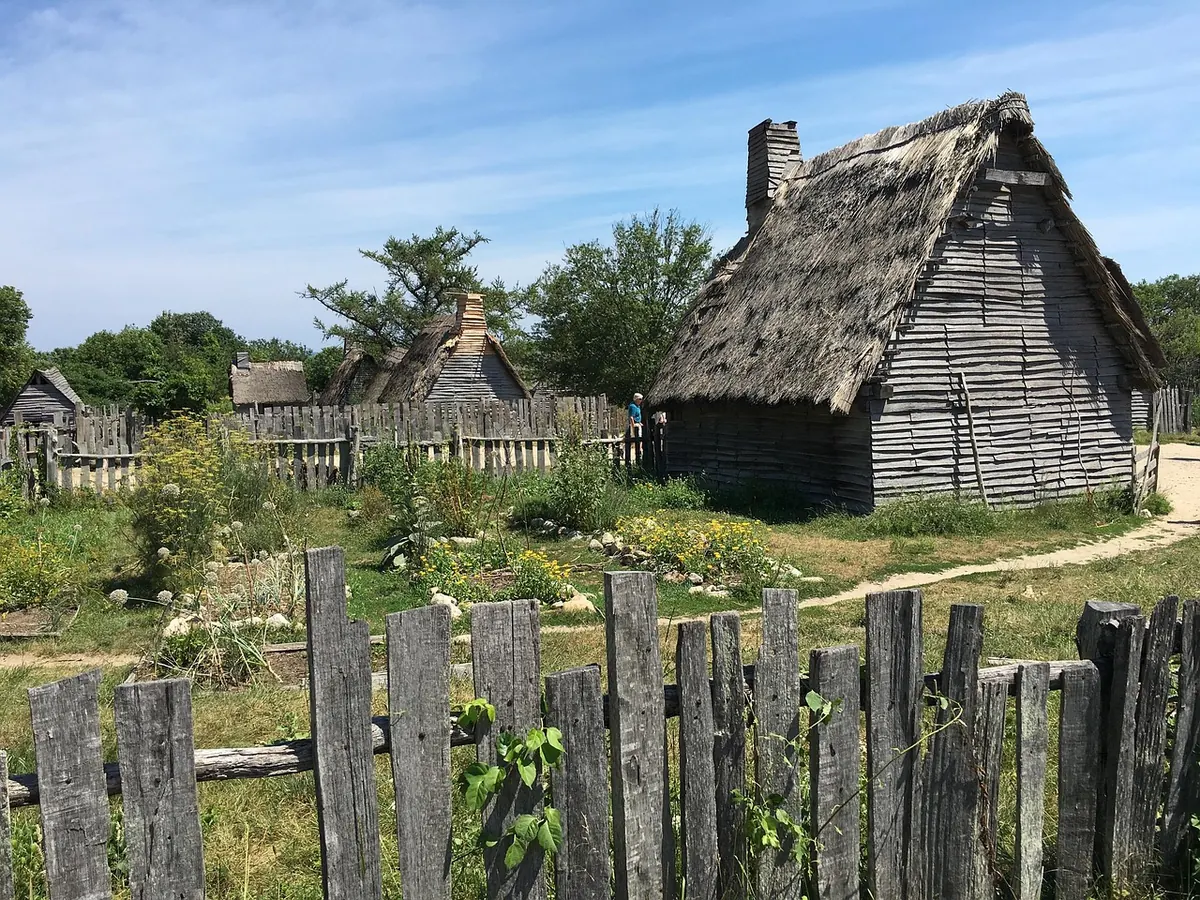
After exploring Cape Cod, the settlers chose a site they named Plymouth, on land that had belonged to a Wampanoag village, Patuxet, whose people had been devastated by an epidemic a few years earlier. That first winter, disease and hunger killed about half the passengers and crew; many lived aboard the ship until spring.
6. The Wampanoag and the 1621 harvest
In March 1621, Samoset and then Tisquantum (Squanto), who spoke English after being kidnapped and taken to Europe years before, made contact with the settlers. The colony made an alliance with the Wampanoag leader Ousamequin (Massasoit). In autumn 1621, the settlers and around 90 Wampanoag men shared a harvest celebration – often remembered as the "first Thanksgiving". Today, many Native Americans mark the national Thanksgiving holiday as a National Day of Mourning, a reminder that the story looks very different from the Wampanoag perspective.
7. What happened to the Mayflower?
The ship sailed back to England in April 1621. Its captain, Christopher Jones, died in 1622, and the Mayflower was probably broken up a few years later. A barn at Jordans in Buckinghamshire is said – without firm proof – to be built from its timbers.
Following the Mayflower story today
8. Plymouth, England – the Barbican and Mayflower Steps
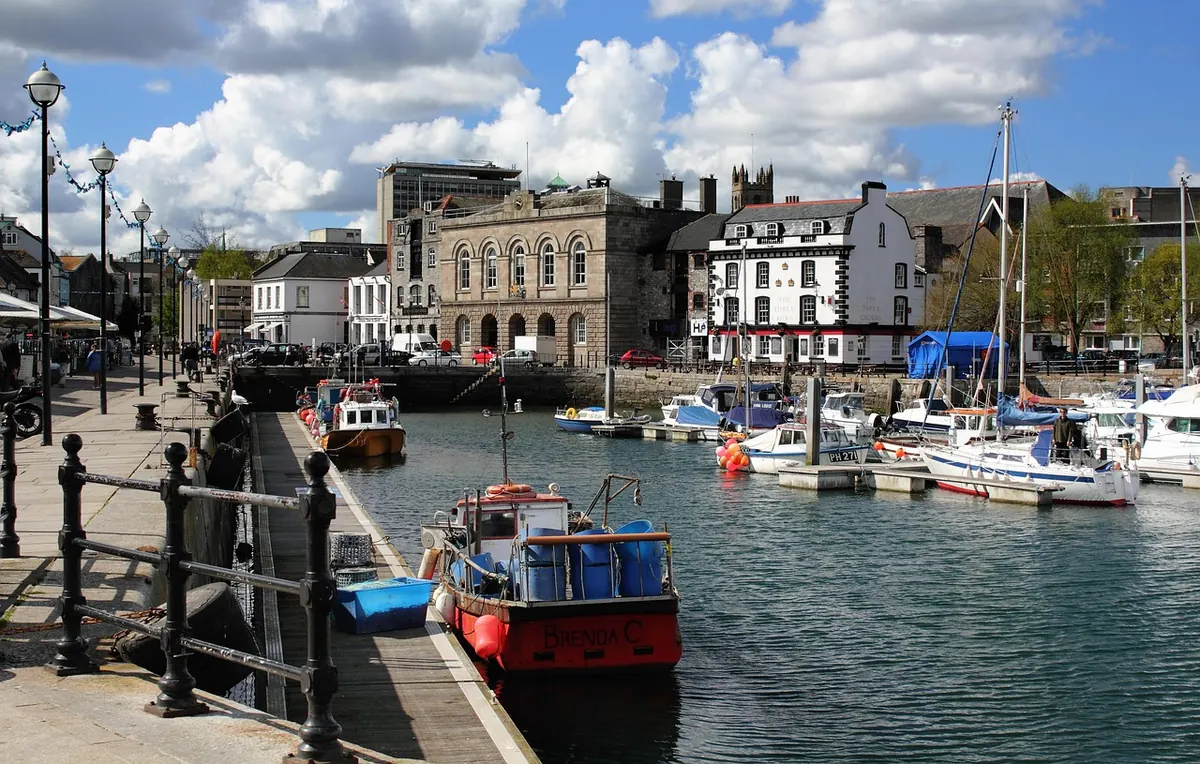
In Plymouth's old harbour area, the Barbican, a memorial marks the Mayflower Steps, near where the passengers are believed to have embarked. The Box, Plymouth's museum, tells the wider story, including Wampanoag perspectives. Walk the cobbled lanes, visit the Elizabethan House, and take a boat across Plymouth Sound.
9. Boston, Lincolnshire, Leiden and Southampton
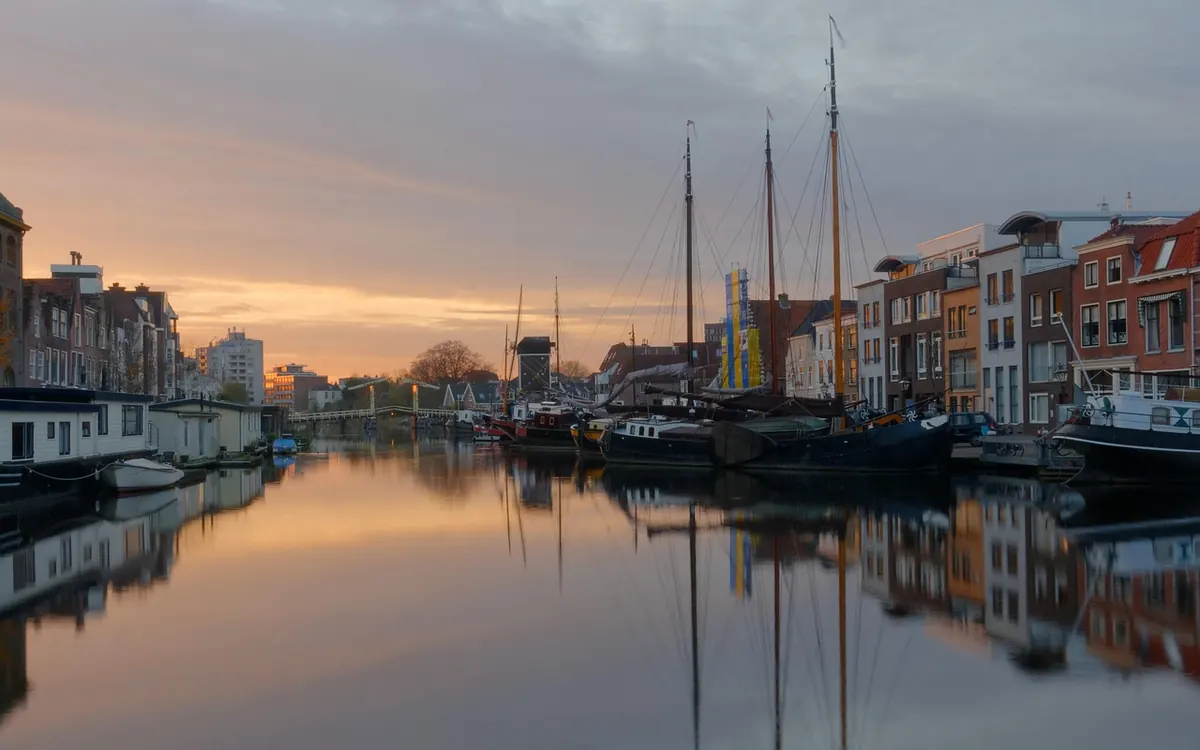
Boston's Guildhall holds the cells where early Separatists were imprisoned after a failed attempt to flee in 1607. In Leiden, the Pilgrim community lived for 11 years, and the Leiden American Pilgrim Museum shows their life there. Southampton has a Mayflower Memorial, and Harwich, home of Captain Jones, has a house associated with him.
10. Plymouth, Massachusetts – Plimoth Patuxet Museums
The living-history museum recreates the 1627 English village with costumed role-players, alongside a Wampanoag Homesite staffed by Native people who talk about their culture in their own voices. In the town, you can board Mayflower II, a full-size replica that sailed from Devon in 1957, and see Plymouth Rock, the traditional landing place. Provincetown on Cape Cod has the Pilgrim Monument, marking the first landing.
Practical tips
- In England: Plymouth is about three hours from London by train; combine it with Dartmoor and the Devon and Cornish coasts – see our active Cornwall getaway.
- In Massachusetts: Plymouth is about an hour by car from Boston; Provincetown is reachable by ferry from Boston in summer.
- Best time: late spring to autumn; Thanksgiving week is busy in Plymouth.
- For a wider trip: see our guide to America's best living-history sites.
Frequently asked questions
When did the Mayflower sail?
The Mayflower left Plymouth, England, on 6 September 1620 and reached Cape Cod on 9 November 1620 (Old Style dates), after about 66 days at sea.
How many people were on the Mayflower?
There were 102 passengers and a crew of around 30. Roughly half of the passengers died during the first winter.
Can you visit a Mayflower replica?
Yes. Mayflower II, a full-size replica built in Devon and sailed across the Atlantic in 1957, is moored in Plymouth, Massachusetts, as part of Plimoth Patuxet Museums.
Keep reading
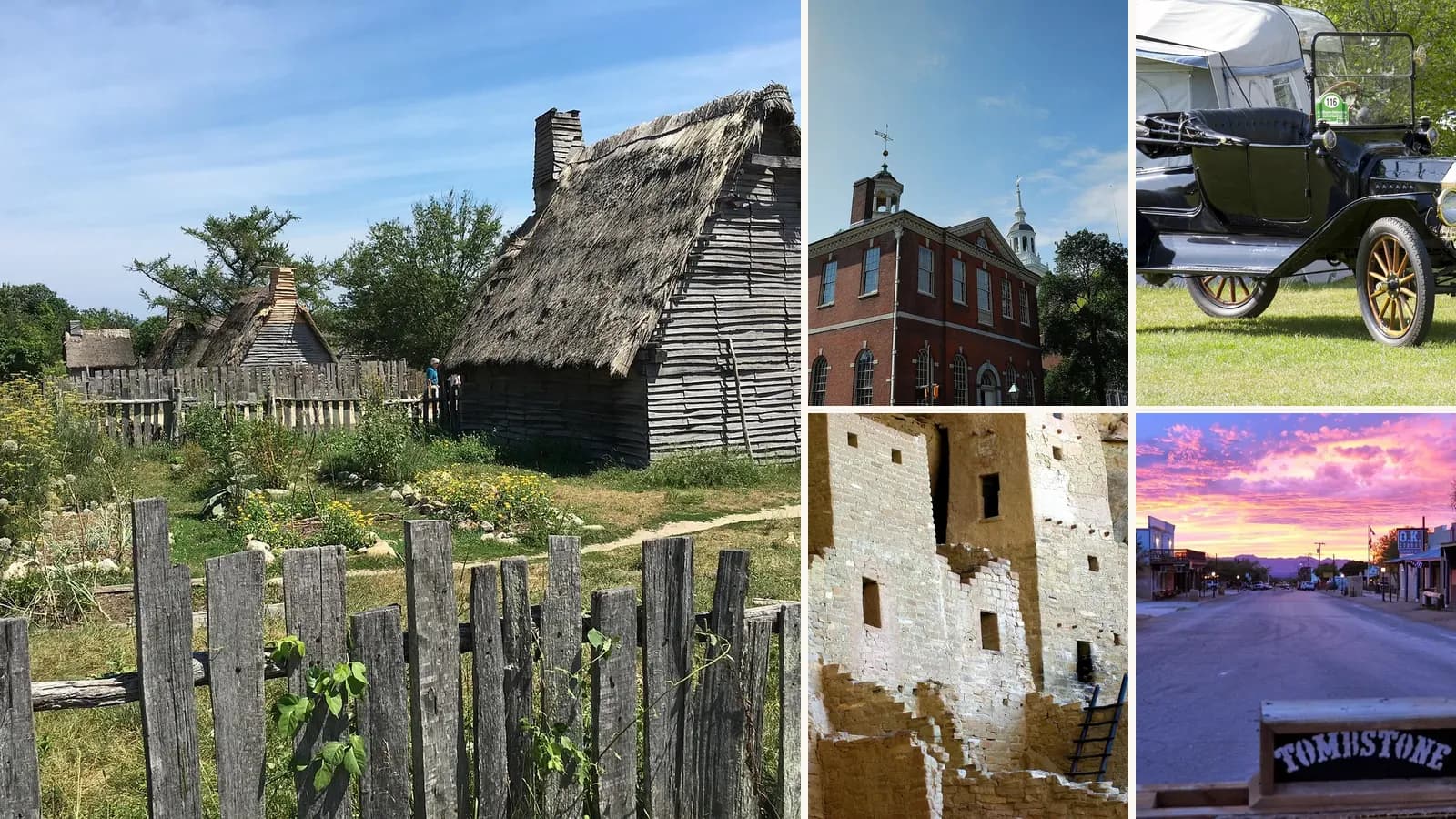
The Best Places in America to Travel Back in Time: 20 Living-History Sites
Plimoth Patuxet, Colonial Williamsburg, Mystic Seaport, Greenfield Village, Bodie ghost town and more – the best living-history sites in the USA.
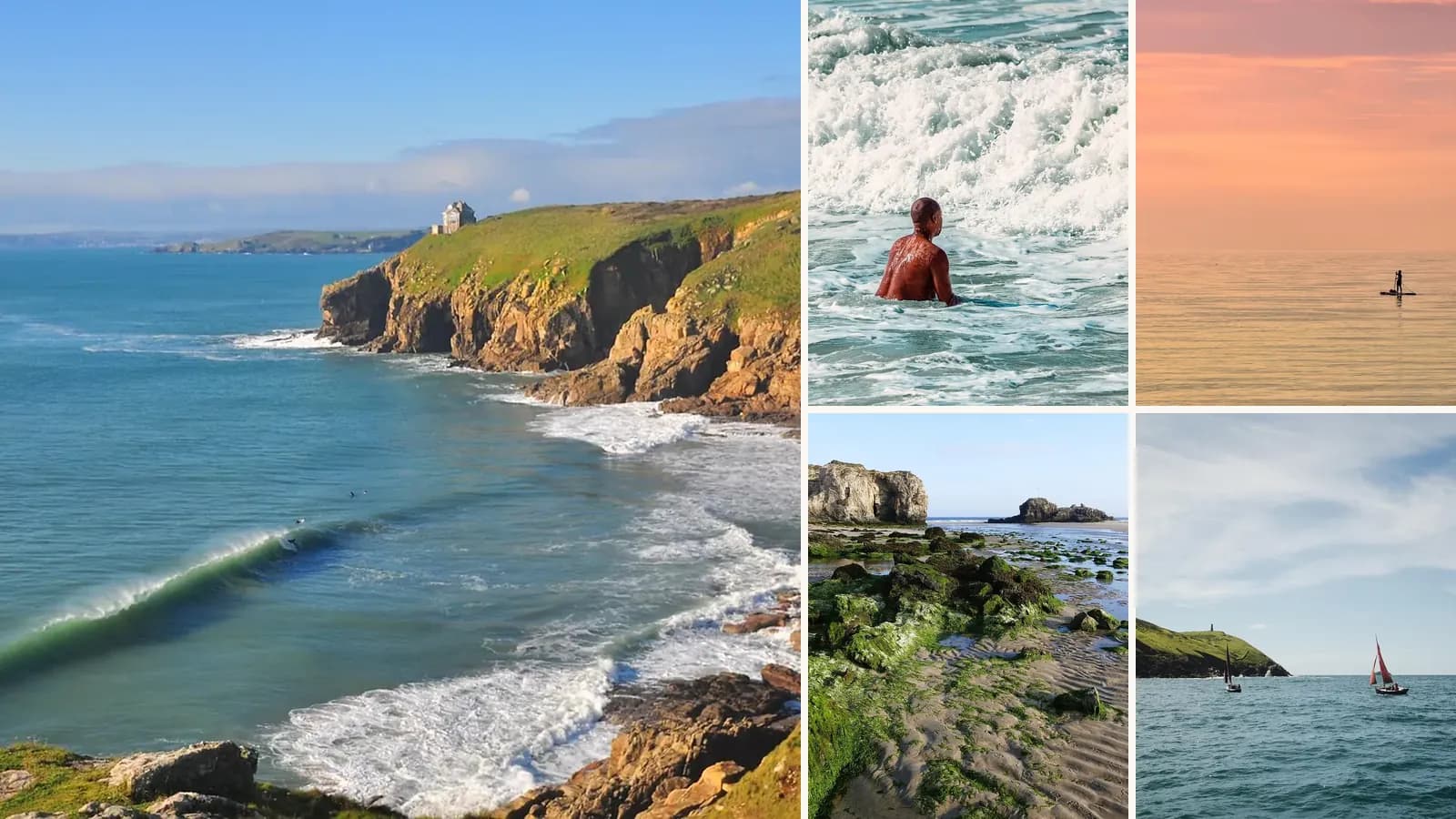
Ice Baths, Surfing and Coasteering: An Active Getaway in Cornwall
Learn to surf at Fistral, go coasteering along the cliffs, try cold-water swimming and ice baths, and walk the South West Coast Path – an active break in Cornwall.
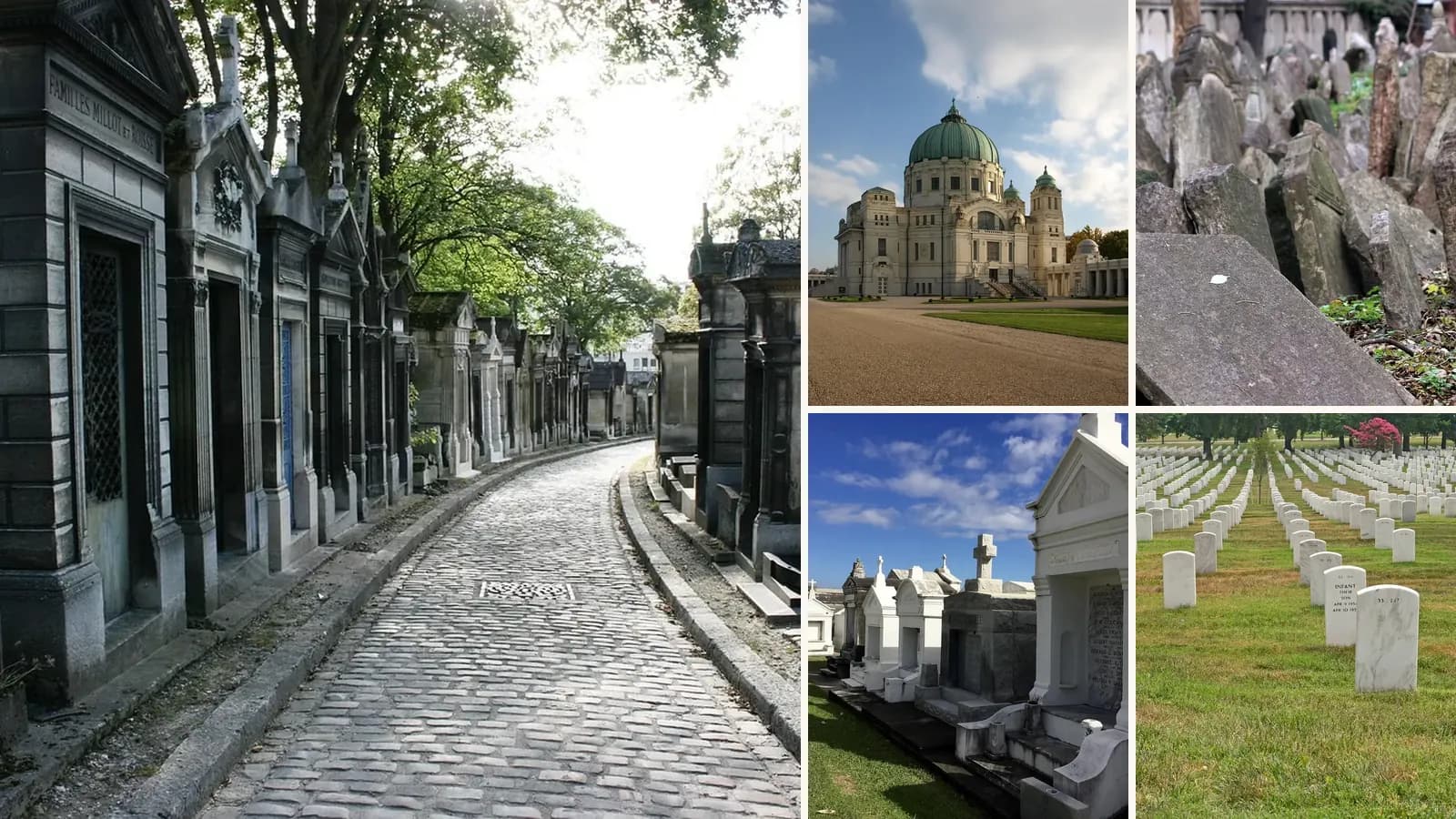
Cities of the Dead: 12 of the World's Most Beautiful Cemeteries to Visit
Père Lachaise, Highgate, Recoleta, Prague's Old Jewish Cemetery, Okunoin and more – 12 of the world's most beautiful cemeteries and how to visit respectfully.

9 of the Best National Parks to Visit During Winter
Snowy Bryce Canyon, quiet Yosemite, Yellowstone by snowcoach and warm desert parks – the best US national parks for a winter trip.