Herm Island: A Guide to Britain's Best-Kept Secret in the Channel Islands
Car-free Herm has white-sand beaches, turquoise water and coastal walks – how to visit this tiny Channel Island from Guernsey, where to stay and what to do.

Some links in this guide are partner links: if you buy through them we may earn a small commission, at no extra cost to you. It never affects what we recommend. How we make money
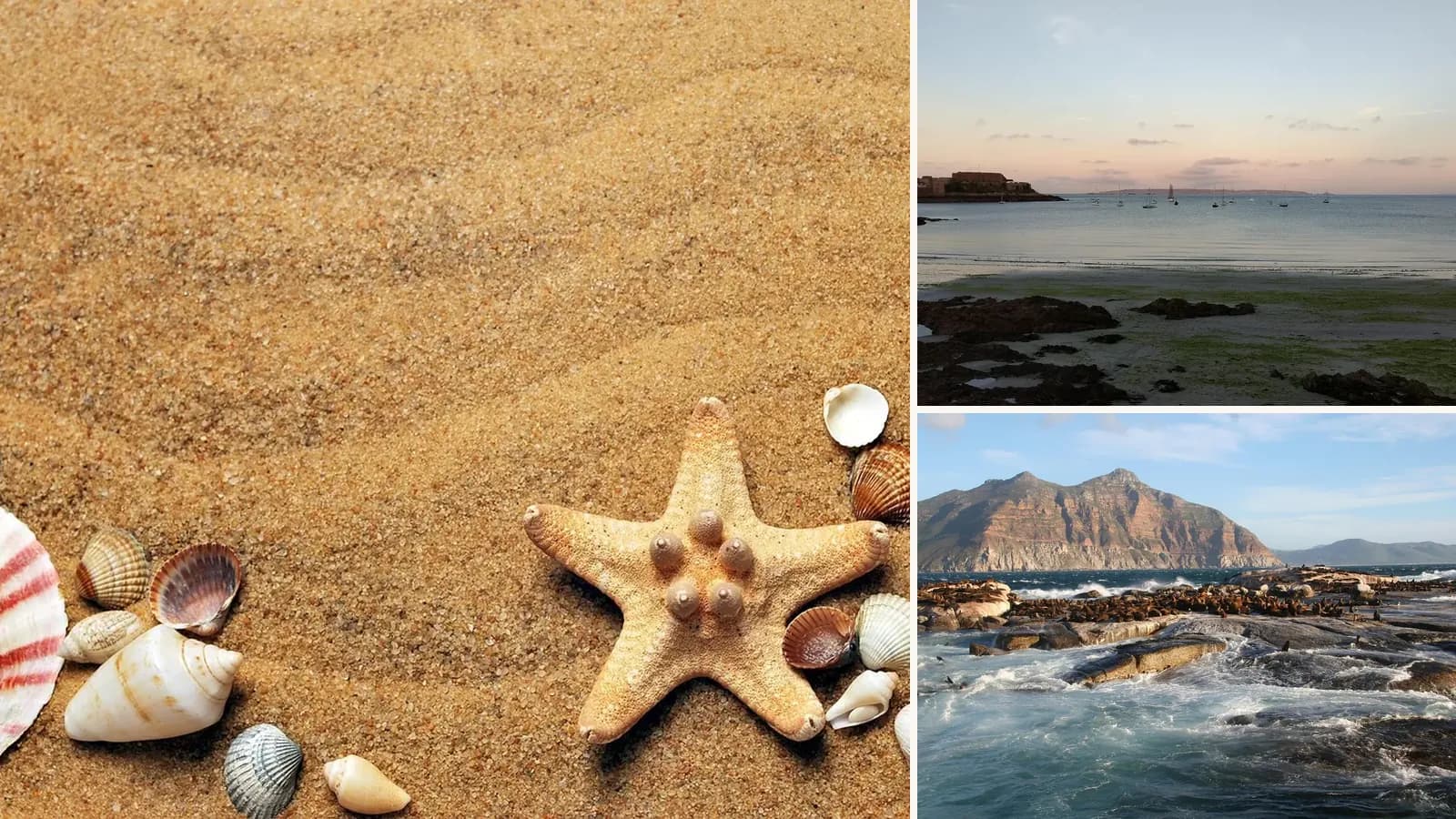
With white sand, clear turquoise water and not a single car, Herm could pass for a Greek island. In fact it's a tiny Channel Island just three miles off Guernsey – about a mile and a half long and half a mile wide, with a resident population of only a few dozen people. Many regular visitors call it Britain's best-kept secret.
There are no cars, no streetlights and almost no shops: just beaches, coastal paths, a harbour with a pub, a hotel and a campsite, and a sense of total peace once the day-trippers have caught the last ferry home. This guide covers the best things to do on Herm, how to get there, where to stay and when to go.
Herm at a glance
| Quick facts | |
|---|---|
| Location | Channel Islands, about 20 minutes by ferry from Guernsey |
| Size | About 1.5 miles long and 0.5 miles wide |
| Best time to visit | May–September; very quiet in winter |
| How long to stay | A day trip, or 2–3 nights to really unwind |
| Best for | Beaches, walking, families, couples, total peace |
1. Shell Beach
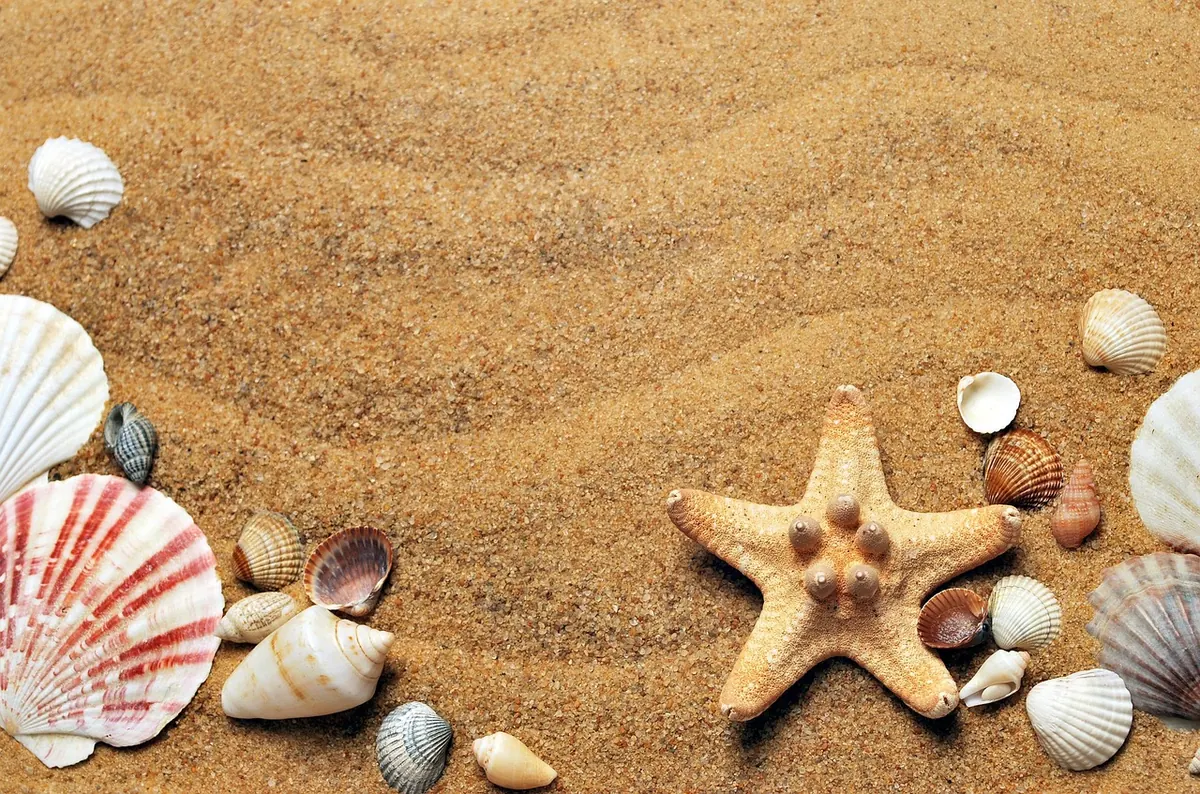
On the island's east coast, this long beach is made up of countless tiny shells washed in by the Gulf Stream, rather than sand. Children love searching for unusual shells (take only photos and memories – leave the shells for others). The water is clear and the beach stays quiet even in summer. A seasonal café serves snacks and drinks.
Millions of tiny shells crunch underfoot, the water is clear and turquoise and on a sunny day it feels like the Caribbean – bring a picnic.
2. Belvoir Bay
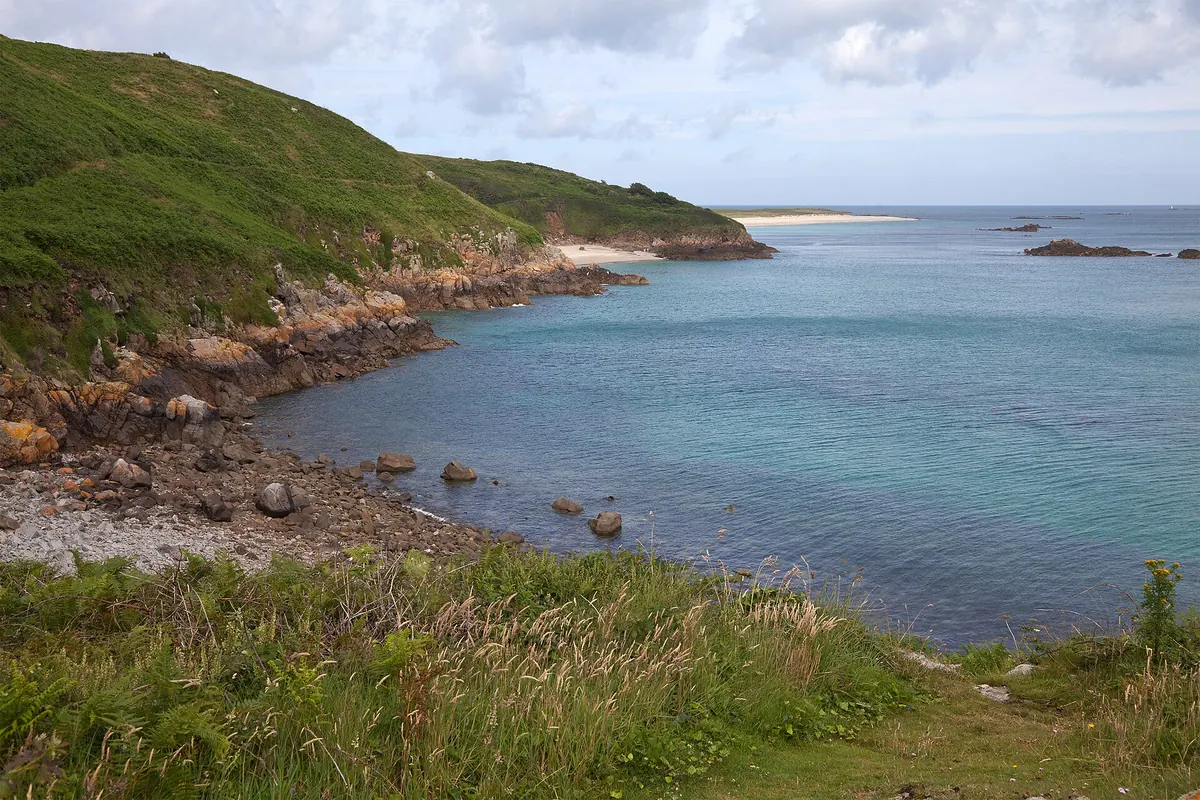
A sheltered cove of soft sand and calm, clear water just south of Shell Beach, perfect for swimming and paddling. A small café opens in season. Reach it by walking down a steep path from the clifftop – it's worth it.
A small, sheltered cove with soft sand and calm water, and a simple café for ice cream.
3. Walk the coastal path
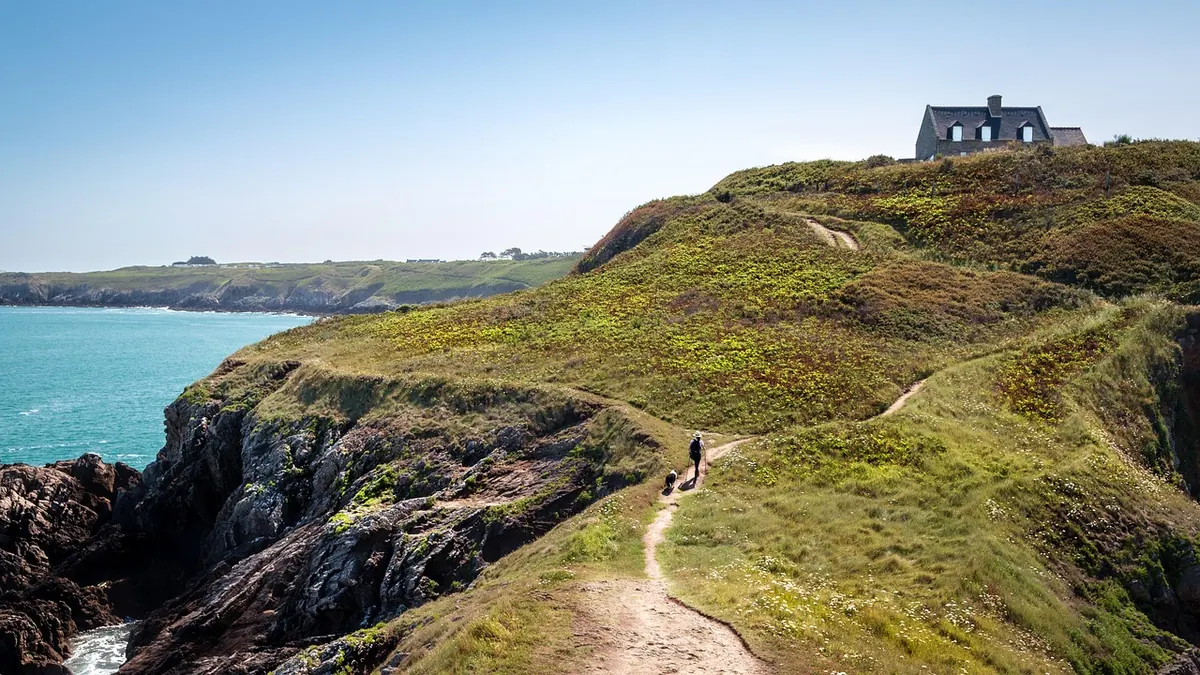
A path circles the whole island, passing cliffs, beaches, coves and the open common in the north, where you'll find prehistoric burial chambers and an obelisk. It's an easy walk of a couple of hours, and you can't get lost – just keep the sea on one side. The southern cliffs are the most dramatic, with views towards Jethou, Sark and Guernsey.
The path circles the island past cliffs, coves and wild flowers, with puffins in spring – you can walk round in a couple of hours.
4. The harbour village
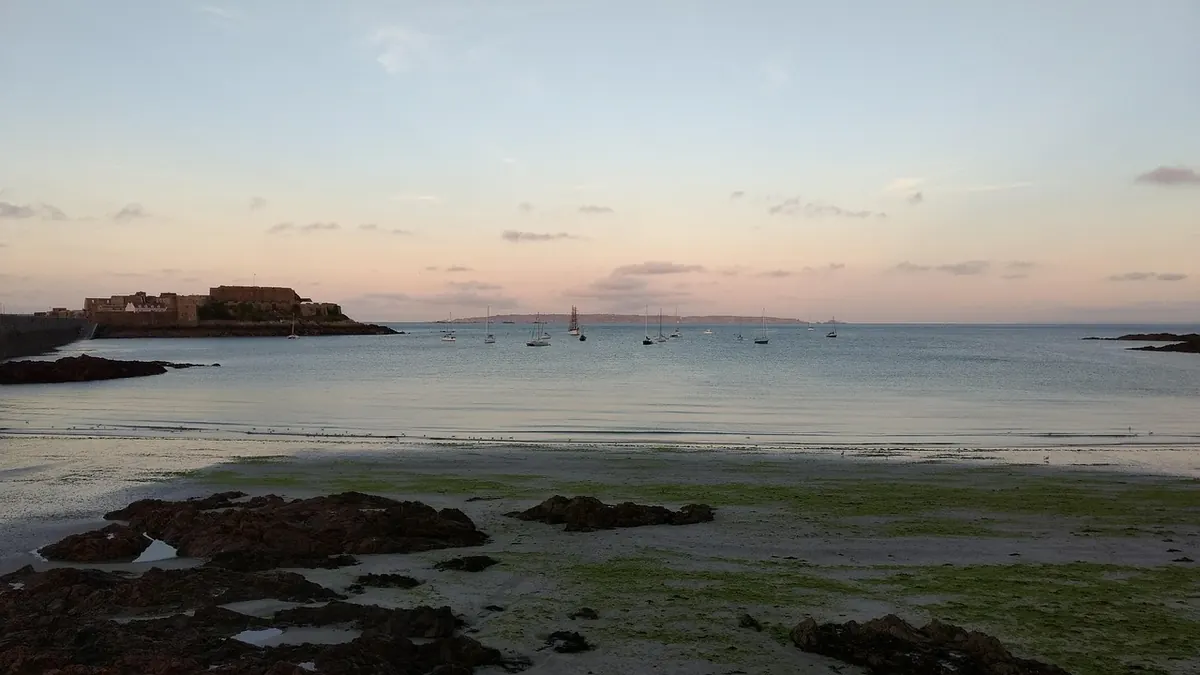
Herm's tiny harbour village has a pub, a shop, a hotel, a few cottages and the little St Tugual's Chapel, dating back to medieval times, with lovely stained glass. The pub's garden is the place to watch the ferries come and go with a drink in hand.
Whitewashed cottages, a small shop, a pub and the island's only hotel – no cars, just peace.
5. Wildlife
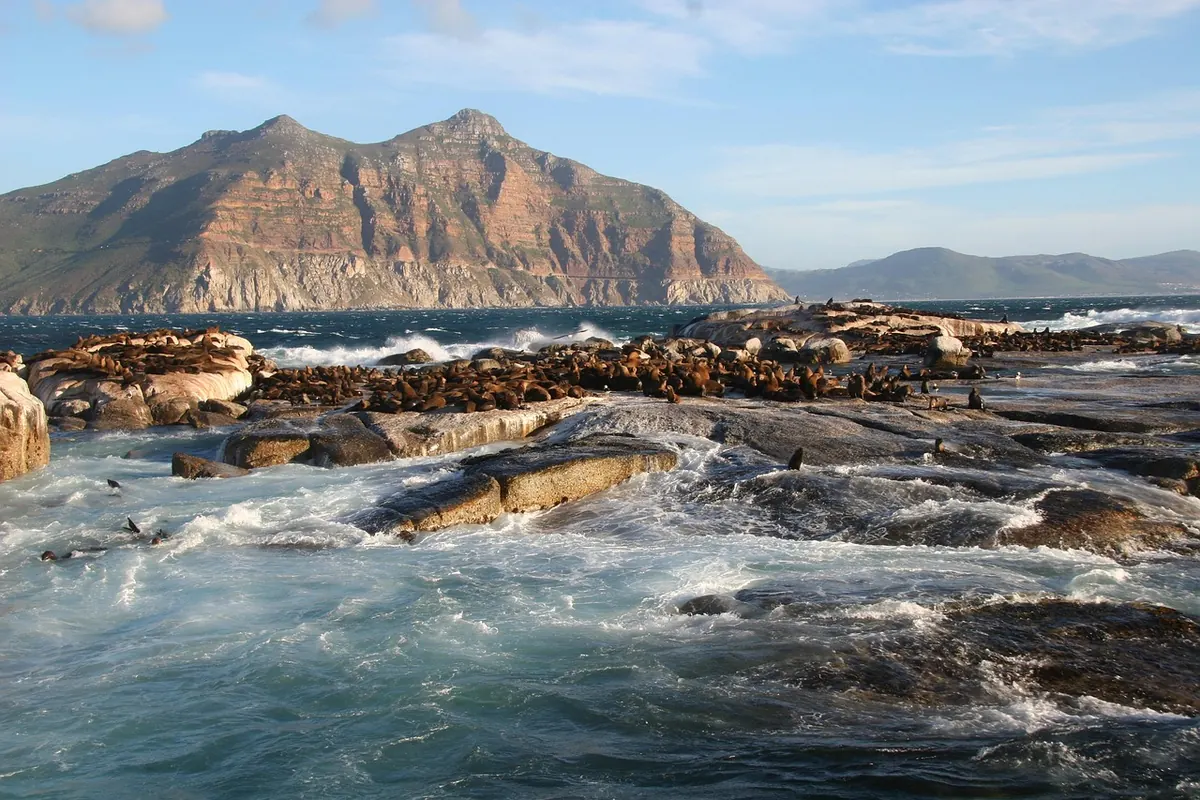
Herm is a haven for seabirds, including oystercatchers and, in spring and early summer, a small number of puffins on the rocky islets off the island. At low tide, the rock pools are full of crabs and anemones. Offshore, look out for seals and dolphins, especially on a boat trip around the island.
Puffins nest on the cliffs, seals bask on the rocks and seabirds fill the sky.
6. Day trip or stay over
Most visitors come for the day from Guernsey, but staying overnight lets you enjoy the island after the last ferry leaves, when it's almost silent. Accommodation includes a small hotel, self-catering cottages and a campsite with pre-erected tents. Book well ahead for summer, as there are only a limited number of beds.
When the last boat leaves, the island falls silent – staying overnight, you'll have the sunset and the stars almost to yourself.
Getting there
Fly or sail to Guernsey first: Guernsey has flights from several UK airports and ferries from England and France. From St Peter Port, ferries to Herm take about 20 minutes and run several times a day in season, with a reduced timetable in winter.
The Channel Islands have one of the largest tidal ranges in the world, so the landing point on Herm changes with the tide – check the ferry times and departure point before you go, and allow time for the walk from the landing steps to the harbour at low tide. Luggage is transported for overnight guests.
When to visit
May to September brings the warmest weather and the most ferries. July and August are busiest; June and September are often the most pleasant. In winter, services are limited and many facilities close.
What to bring
Pack a picnic or plan to eat at the cafés and pub, which have limited hours out of season. Bring water shoes for rock pools, sunscreen, a light waterproof and cash in case card machines are down. There's no need for a car – everything is on foot.
For more British seaside ideas, see our guide to the UK's best seaside towns.
Frequently asked questions
How do you get to Herm?
Ferries run from St Peter Port in Guernsey and take about 20 minutes. Guernsey has flights from several UK airports and ferries from England and France.
Can you stay overnight on Herm?
Yes. The island has a small hotel, self-catering cottages and a campsite. Book well ahead for summer.
Are cars allowed on Herm?
No – Herm is car-free, so you explore on foot. The island is small enough to walk around in a couple of hours.
Can you swim on Herm?
Yes. Shell Beach and Belvoir Bay are popular for swimming in summer. There are no lifeguards, and the water is cool even in summer, so take care.
Keep reading
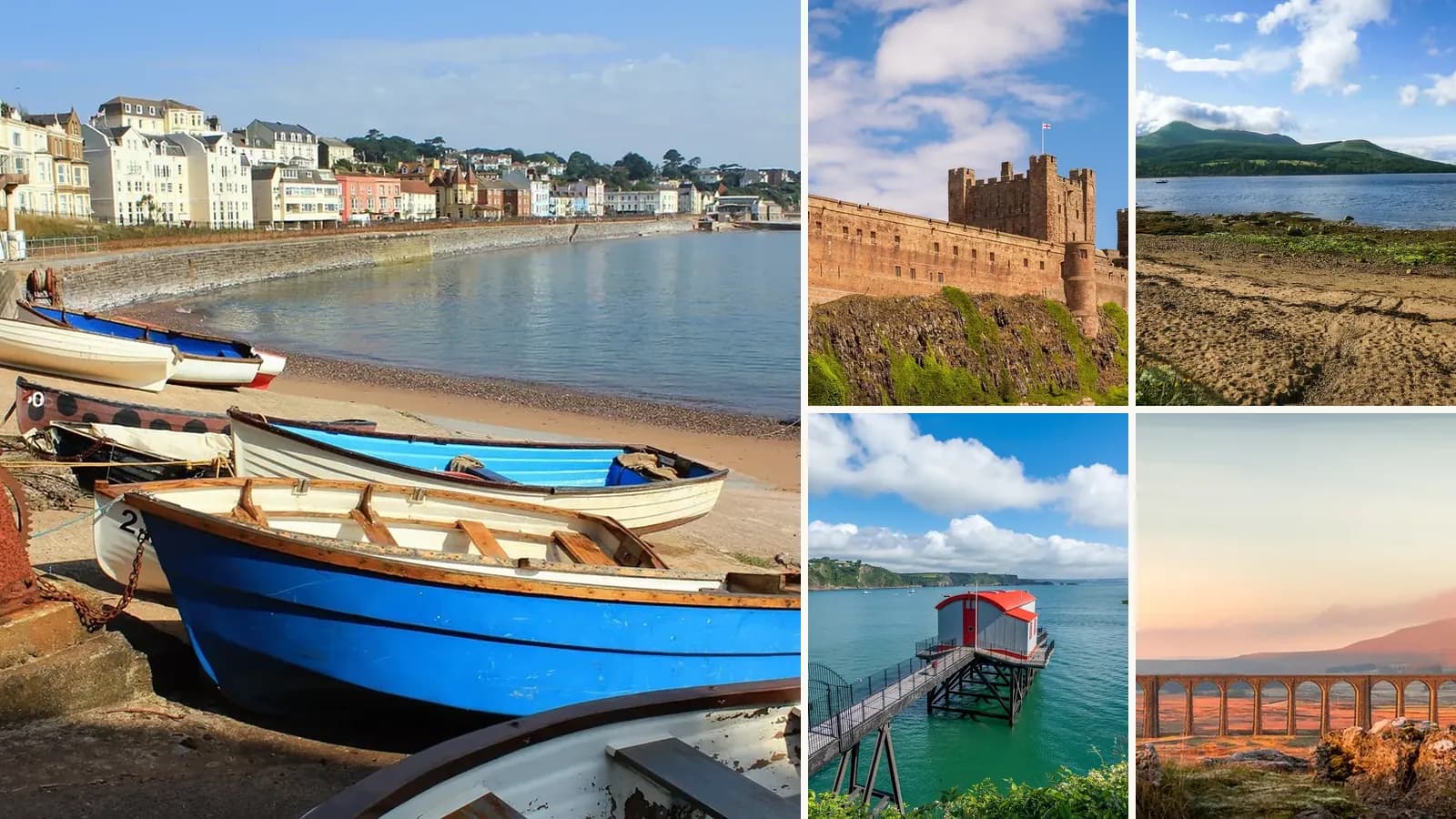
9 of the UK's Best Seaside Towns and Staycation Spots
Dawlish, Seahouses, Brodick on Arran, Hayle, Saundersfoot and more – nine of Britain's best seaside and countryside towns for a staycation, and what to do in each.
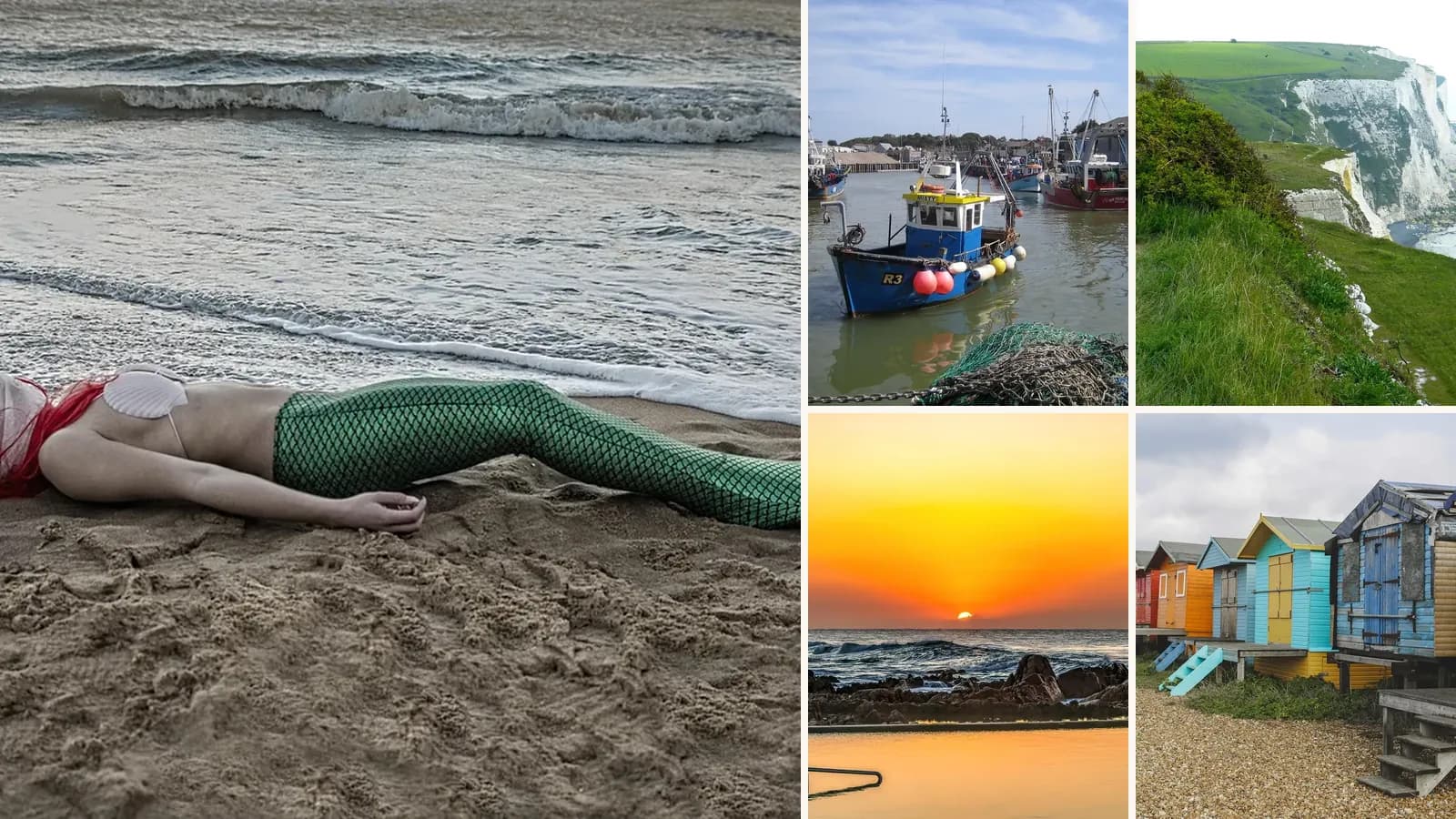
Mermaid Beach, Folkestone and the Best of the Kent Coast
Folkestone's Mermaid Beach, the Harbour Arm, Creative Quarter and coastal walks, plus Margate, Whitstable and Dover – a guide to Kent's seaside.
How to Find Britain's Best Small Hotels and B&Bs
Country houses, coastal inns and townhouse B&Bs – how to find characterful small hotels in Britain, where to look and what makes a stay special.

London's Best Christmas Markets and Winter Events
Southbank Centre Winter Market, Hyde Park Winter Wonderland, Leicester Square, Covent Garden and more – the best Christmas markets and festive events in London.