6 Best US Landmarks to Visit in Spring (and When Each One Is at Its Best)
Cherry blossoms on the National Mall, Niagara at full flow, Yellowstone's spring wildlife: six US landmarks for a spring trip, with opening dates and timing tips.
Spring is the sweet spot for many of America's great landmarks. The summer crowds have not arrived, the weather is mild in most places, waterfalls run at full force from melting snow, and the national parks fill with newborn wildlife. The catch is that some places are still waking up from winter, so timing matters.
Here are six landmarks that are at their best in spring, with the dates and practical details to plan around.
1. The National Mall, Washington DC
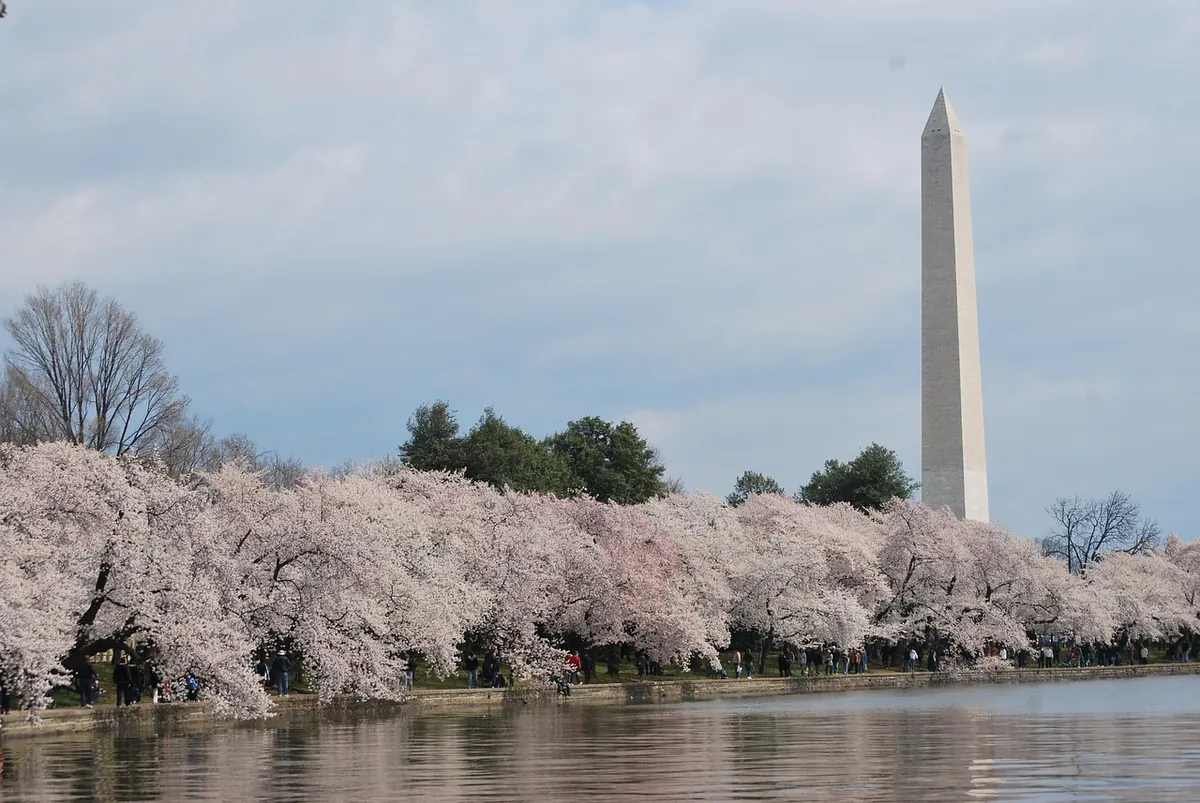
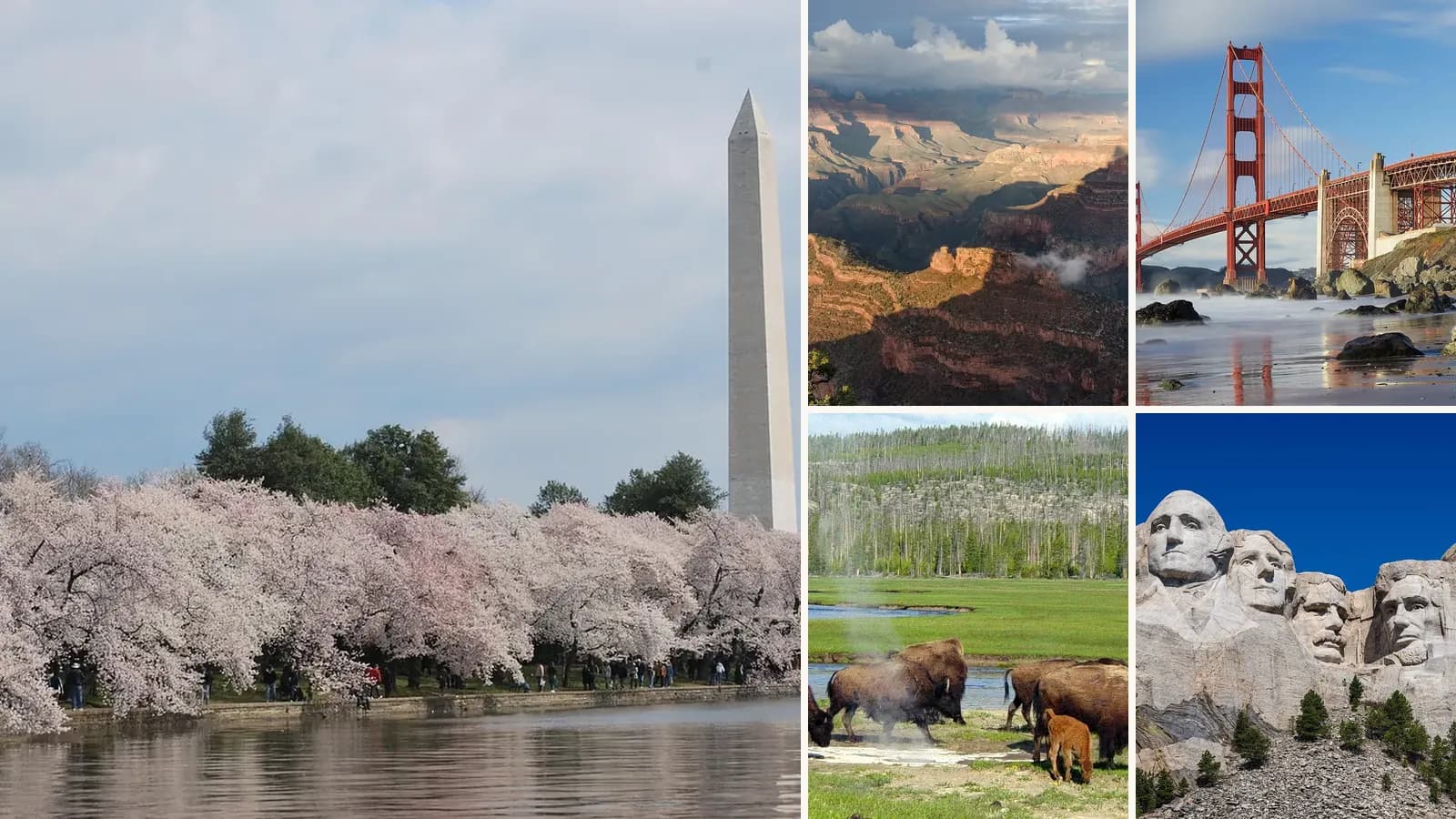
The two-mile green strip between the US Capitol and the Lincoln Memorial holds many of the country's most famous monuments: the Washington Monument, the World War II Memorial, the Vietnam Veterans Memorial and the Smithsonian museums, most of which are free to enter.
In spring the Mall is framed by cherry blossoms. Around 3,000 trees were a gift from Tokyo in 1912, and their descendants now line the Tidal Basin. Peak bloom usually falls between late March and early April, and the National Cherry Blossom Festival runs around those weeks with a parade, kite festival and evening events.
Tip: walk the Tidal Basin at sunrise for the blossoms without the crowds, then spend the afternoon in the Smithsonian museums.
2. Grand Canyon, Arizona
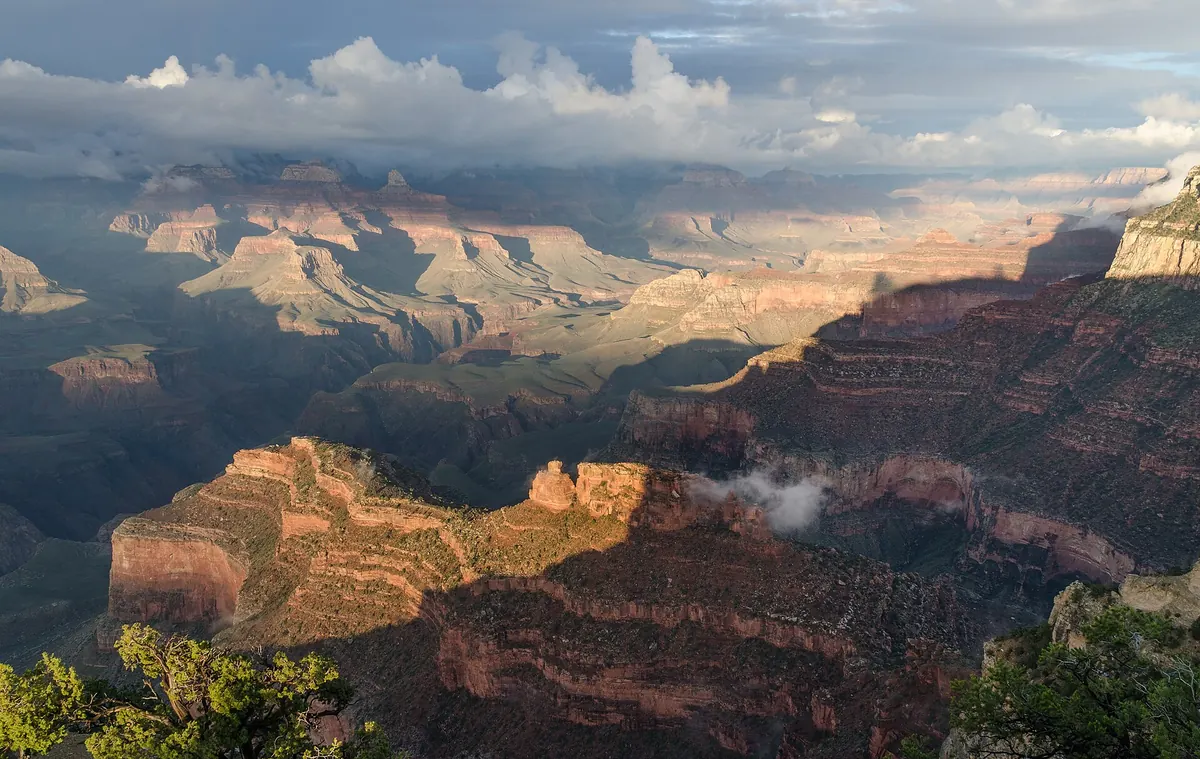
The canyon stretches 277 river miles and is more than a mile deep. Spring brings comfortable temperatures on the rim and smaller crowds than summer, which makes it a good time for the Rim Trail and short hikes below the edge.
The South Rim, with Grand Canyon Village and most viewpoints, is open all year. The higher, quieter North Rim opens in mid-May. In July 2025 the Dragon Bravo Fire destroyed the historic Grand Canyon Lodge and more than 100 other buildings there; the North Rim reopened to visitors on 15 May 2026, with the lodge site closed. Check the National Park Service's North Rim status page before you go.
Tip: temperatures in the inner canyon are far hotter than on the rim, even in spring. Carry plenty of water and never plan to hike to the river and back in one day.
3. Golden Gate Bridge, San Francisco
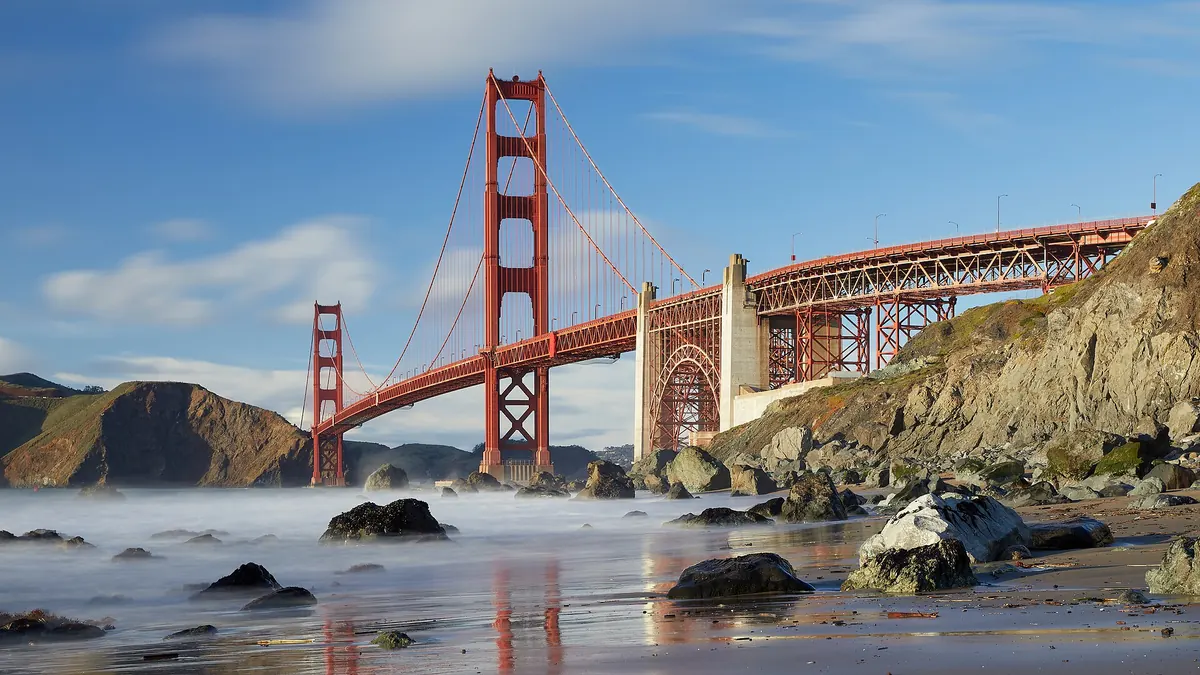
Opened in 1937, the Golden Gate Bridge spans the strait between San Francisco and Marin County. Its 1.7-mile walk across, with the city on one side and the Pacific on the other, is one of the classic experiences of any US trip.
Spring often has clearer days than San Francisco's foggy early summer. Walk or cycle across from the San Francisco side, then continue to the viewpoints in the Marin Headlands or down to the waterfront town of Sausalito, where you can catch a ferry back to the city.
Tip: bring a windproof layer; the wind on the bridge is strong even on sunny days.
4. Niagara Falls, New York
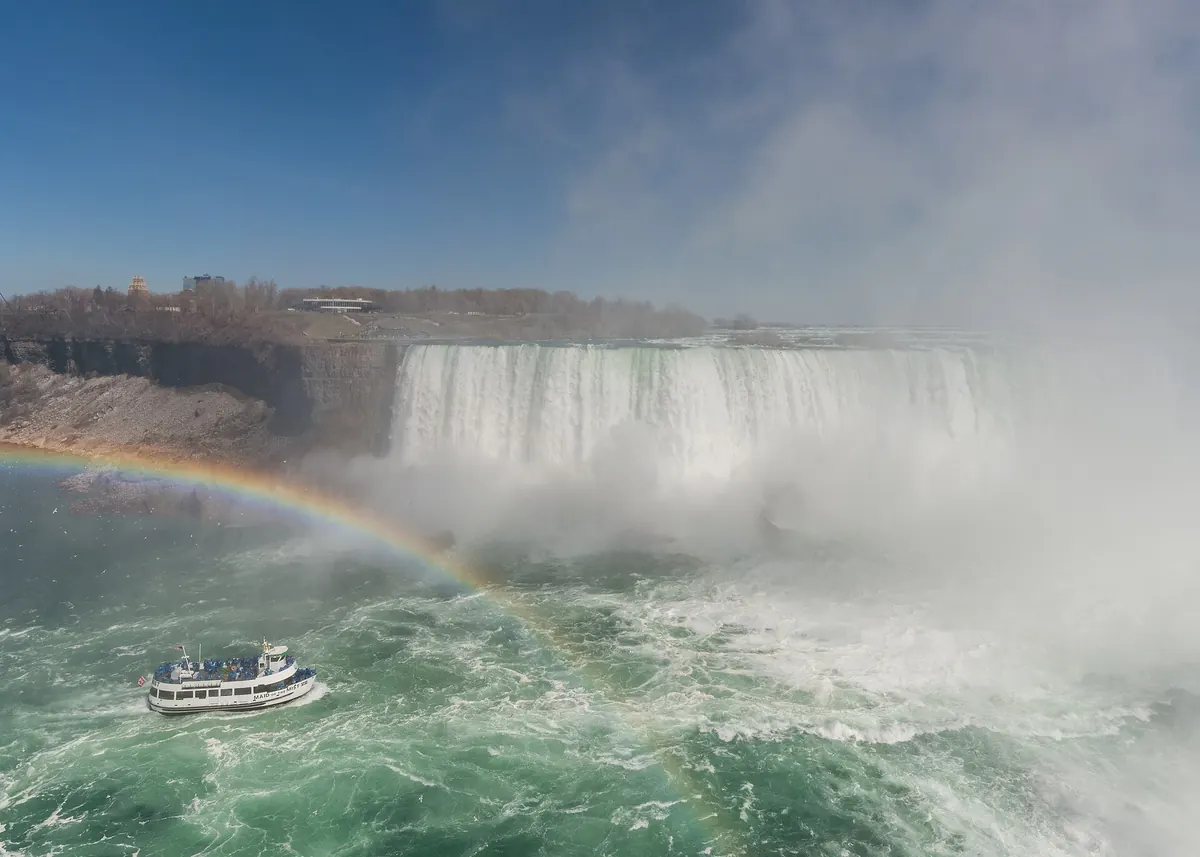
The falls straddle the border between New York State and Ontario, Canada, and spring is when the water is at its most powerful as snow melts across the Great Lakes region. On the US side, Niagara Falls State Park is the oldest state park in the country.
The Maid of the Mist boats take you into the spray at the foot of the Horseshoe Falls. The 2026 season ran from 24 April to 8 November, with adult tickets at $30.25. Both boats are now fully electric. Cave of the Winds, where wooden decks take you to the edge of Bridal Veil Falls, opens as the ice clears.
Tip: bring your passport if you want to walk across the Rainbow Bridge for the view from the Canadian side.
5. Yellowstone National Park, Wyoming
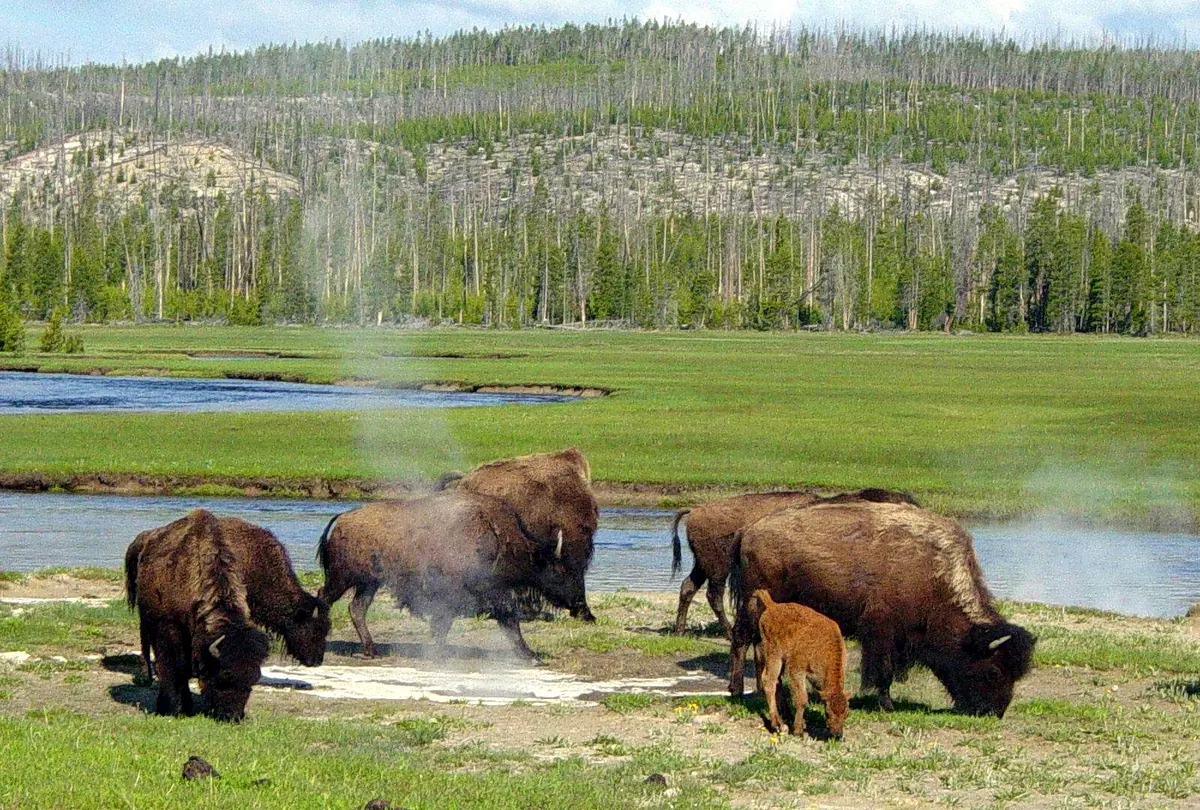
America's first national park, set mostly in Wyoming with corners in Montana and Idaho, is famous for Old Faithful, the Grand Prismatic Spring and some of the best wildlife watching in North America.
Spring is the season of new life: bison calves, elk calves and bears coming out of hibernation. The first roads, from the West and North entrances to Old Faithful, Canyon and Norris, open to cars in the second half of April; in 2026 they opened on 17 April. Other roads and entrances follow through May as the snow is cleared, and the road between Gardiner and Cooke City in the Lamar Valley is open all year.
Tip: spring weather can still bring snow and closures. Check the park's road status the evening before you drive, and keep at least 25 yards from bison and elk and 100 yards from bears and wolves, as park rules require.
6. Mount Rushmore, South Dakota
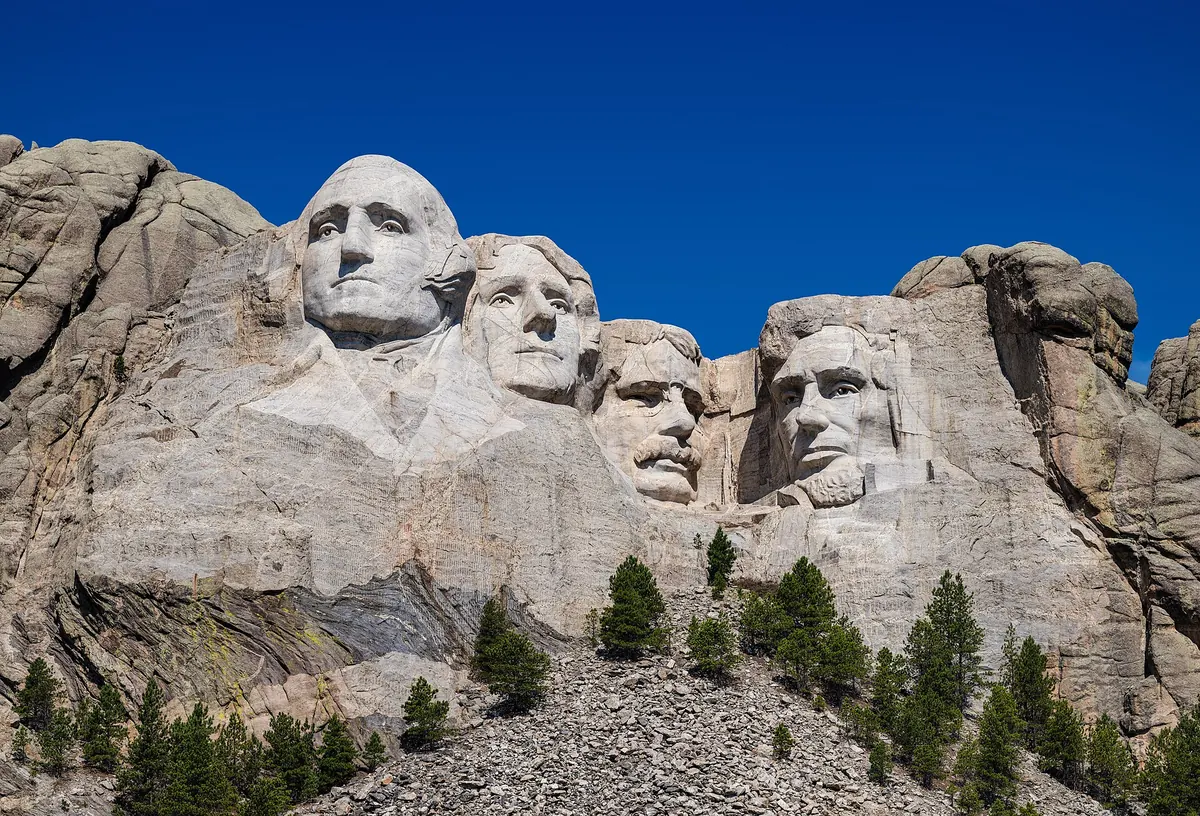
In the Black Hills of South Dakota, the 60-foot faces of George Washington, Thomas Jefferson, Theodore Roosevelt and Abraham Lincoln were carved into granite between 1927 and 1941. The memorial is open all year.
Spring is quiet here, before the summer road-trip season. Walk the Presidential Trail for closer views of the sculpture, then explore the surrounding Black Hills: Custer State Park, with its bison herd and scenic drives, is close by.
Tip: the faces look their best in morning light. Spring weather in the Black Hills changes quickly, so pack a warm layer.
Planning a spring trip
- Book early for Easter and spring break weeks. Hotels near the big parks and DC fill up fast.
- Check opening dates for seasonal roads, boats and lodges; many start in late April or May.
- Combine nearby sights: Mount Rushmore with the Badlands, the Grand Canyon with Sedona or Page, Niagara with Buffalo and the Finger Lakes.
- Consider a park pass: the America the Beautiful annual pass covers entry to all national parks and many federal sites. Since 1 January 2026 it costs $80 for US residents and $250 for international visitors.
- International visitors, note the surcharge: at 11 of the busiest parks, including the Grand Canyon and Yellowstone, non-residents aged 16 and over pay an extra $100 per person on top of the entry fee unless they hold the annual pass.
Frequently asked questions
When do the cherry blossoms bloom in Washington DC?
Peak bloom of the Yoshino cherry trees around the Tidal Basin usually falls between late March and early April. The National Park Service publishes a forecast each year, and the National Cherry Blossom Festival runs around those weeks.
When do Yellowstone's roads open in spring?
The first roads, from the West and North entrances to Old Faithful, Canyon and Norris, usually open to cars in the second half of April. In 2026 they opened on 17 April. Other roads and entrances follow through May, weather permitting.
Is the Grand Canyon North Rim open in spring?
The North Rim opens in mid-May. It reopened on 15 May 2026 after the 2025 Dragon Bravo Fire, which destroyed the historic Grand Canyon Lodge. The South Rim is open all year.
When does the Maid of the Mist start running at Niagara Falls?
The boat season on the US side runs from late April to early November. In 2026 it opened on 24 April.
Keep reading
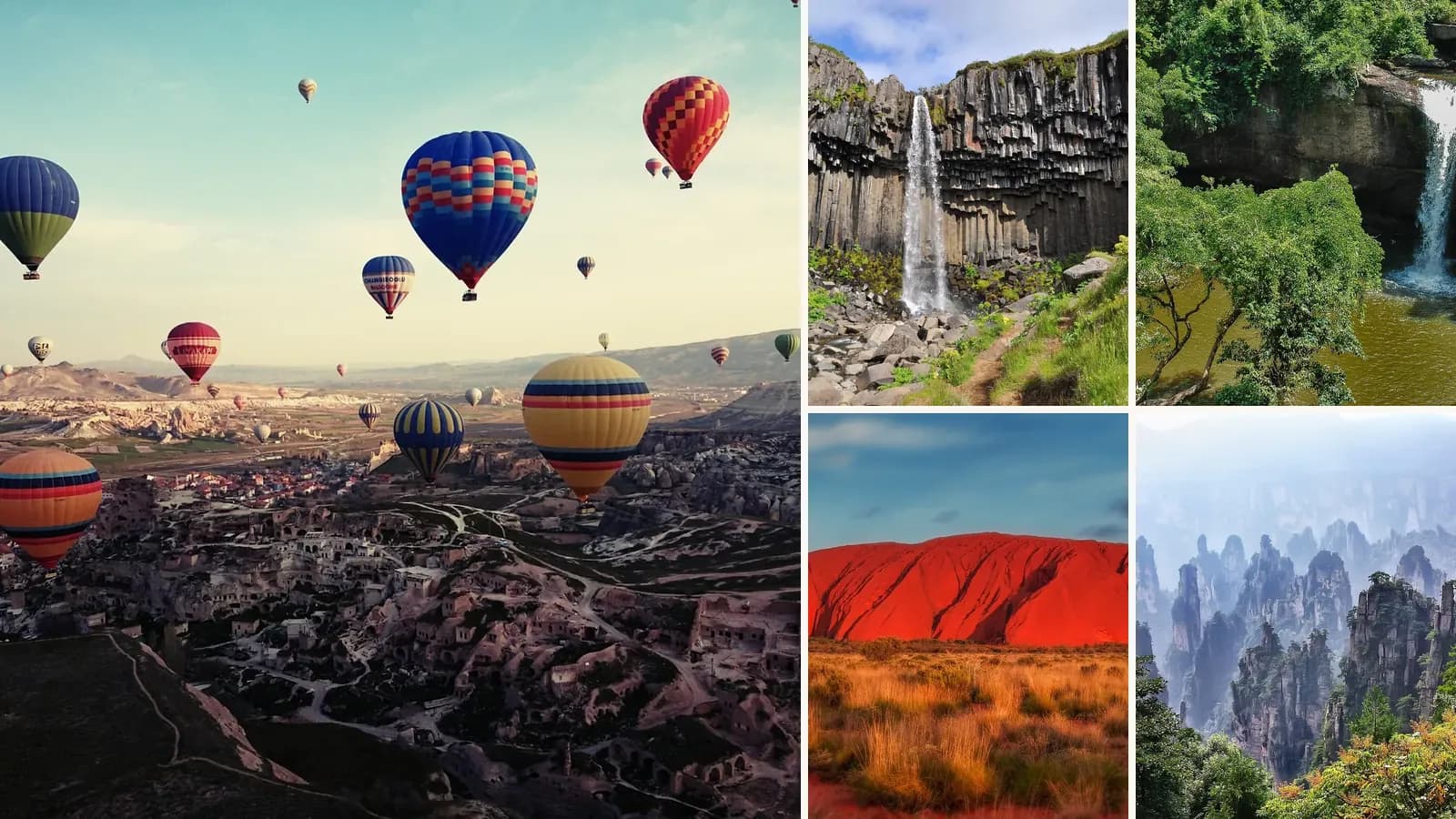
10 Incredible National Parks Around the World
From Cappadocia's fairy chimneys to Patagonia's glaciers, Uluru and Costa Rica's rainforest – ten incredible national parks around the world and how to visit them.
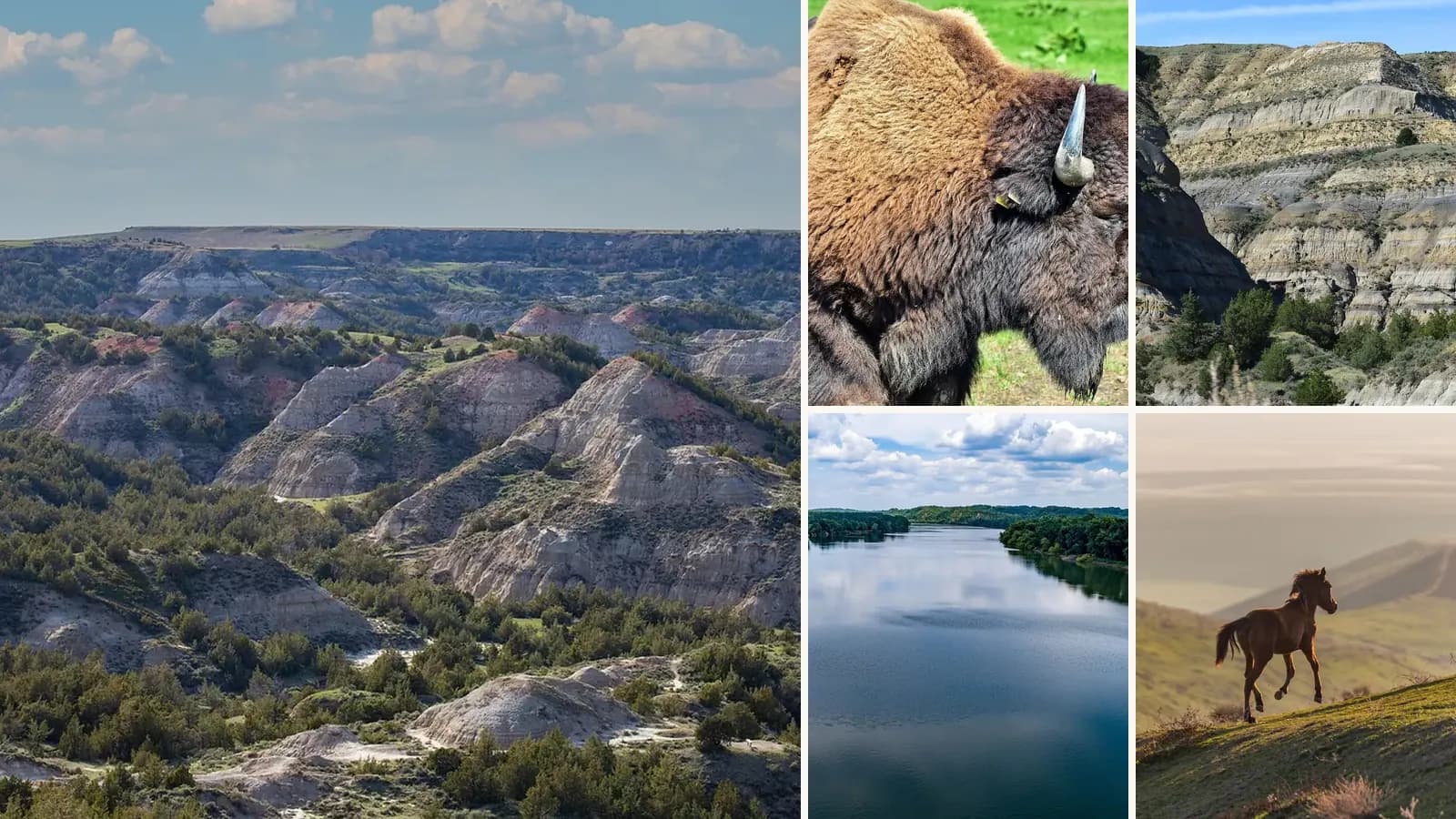
Theodore Roosevelt National Park: A Guide to North Dakota's Hidden Gem
Plan a visit to Theodore Roosevelt National Park in North Dakota's badlands: the South and North Units, bison and wild horses, the best hikes and drives, and Medora.
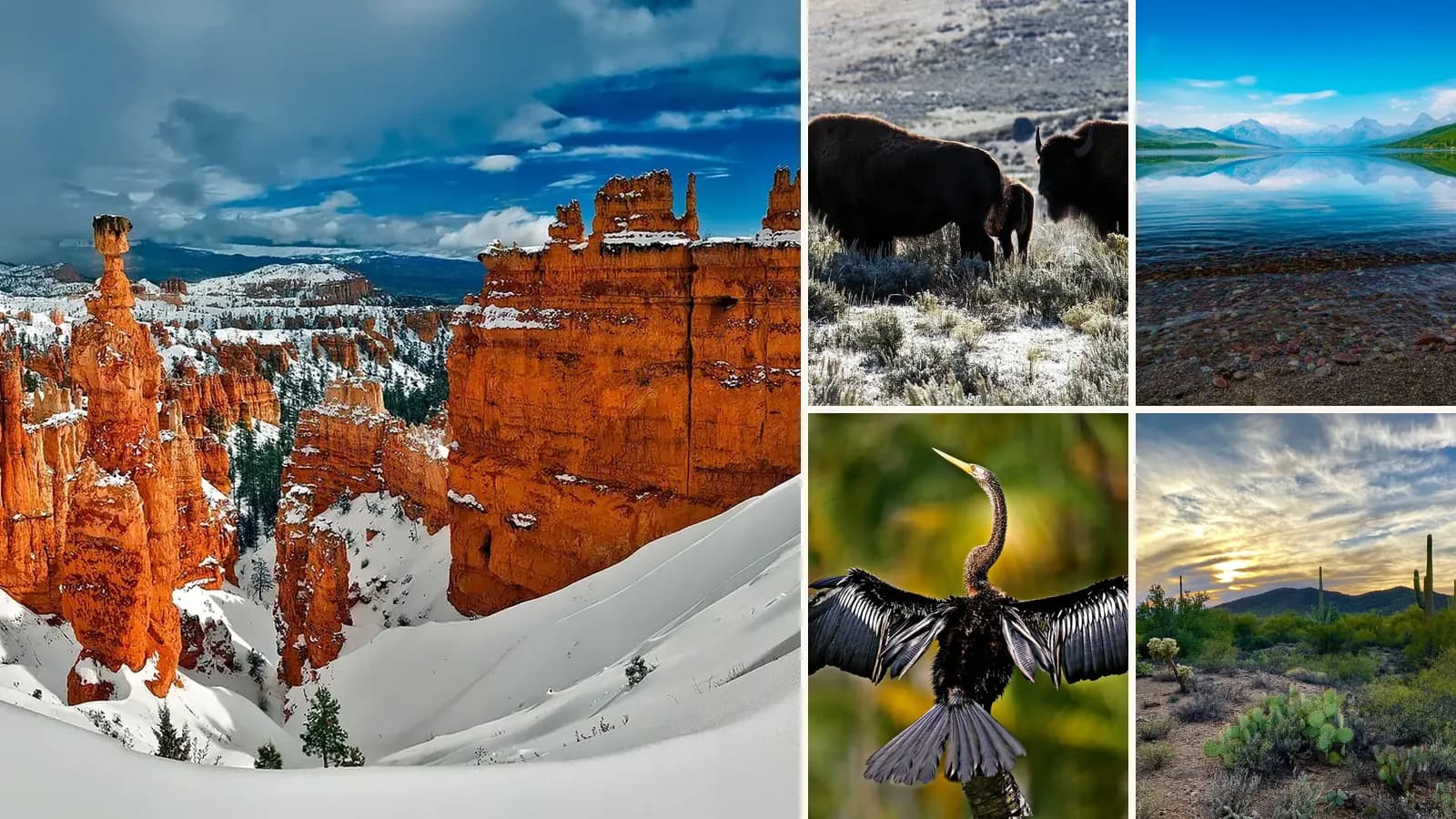
9 of the Best National Parks to Visit During Winter
Snowy Bryce Canyon, quiet Yosemite, Yellowstone by snowcoach and warm desert parks – the best US national parks for a winter trip.
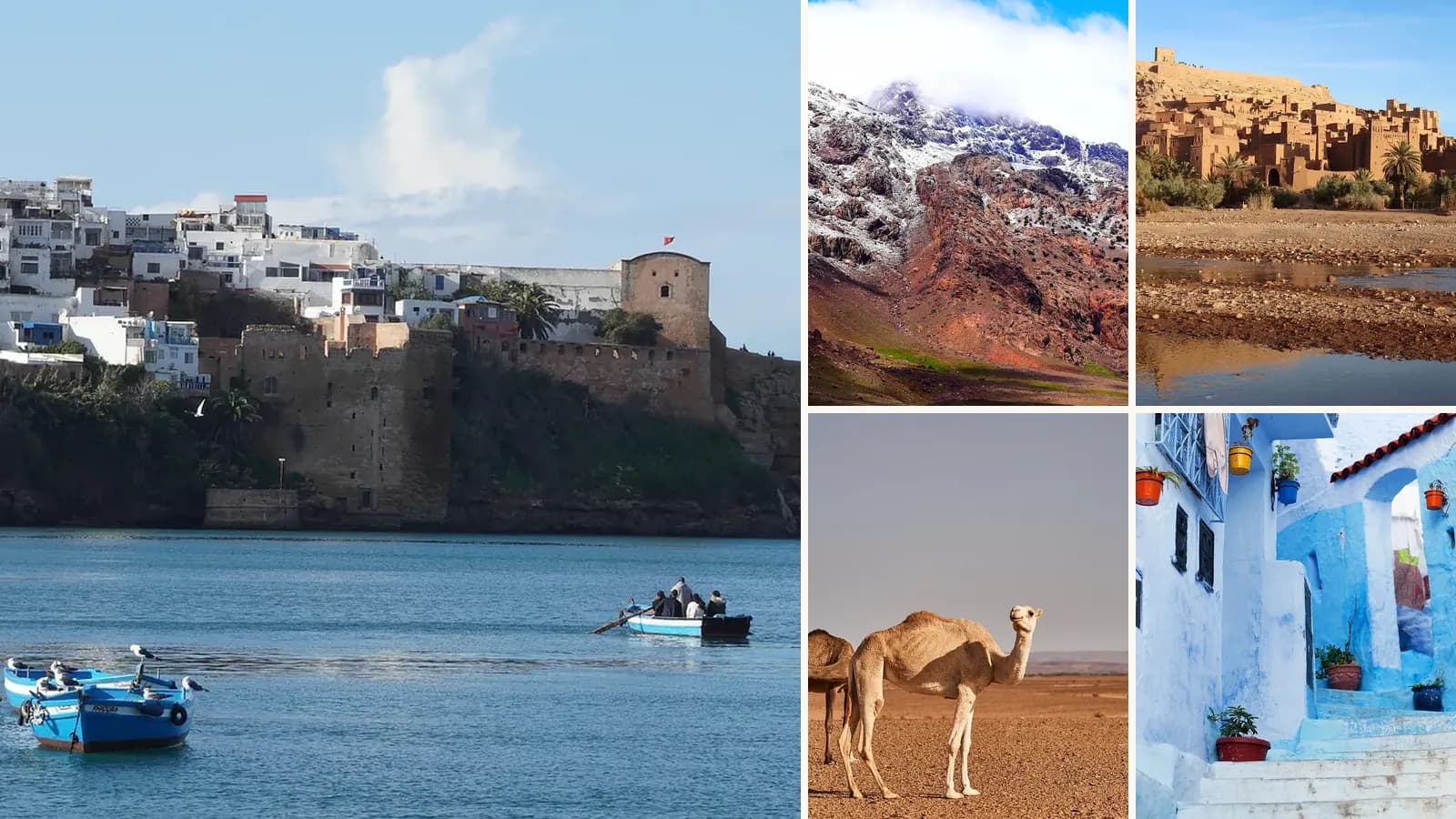
Morocco Beyond Marrakech: Chefchaouen, Fez, the Sahara and the Coast
Eight of Morocco's best places beyond Marrakech – Fez, Chefchaouen, the Sahara at Merzouga, the Atlas, Aït Benhaddou, Essaouira, Rabat and Tangier – with a route idea.