Snorkelling and Diving in Hurghada: Best Reefs, Trips and Safety Tips
Where to snorkel and dive in Hurghada: Giftun, Dolphin House, house reefs, try-dives for beginners, what you'll see, sharks and how to protect the reef.
Some links in this guide are partner links: if you buy through them we may earn a small commission, at no extra cost to you. It never affects what we recommend. How we make money
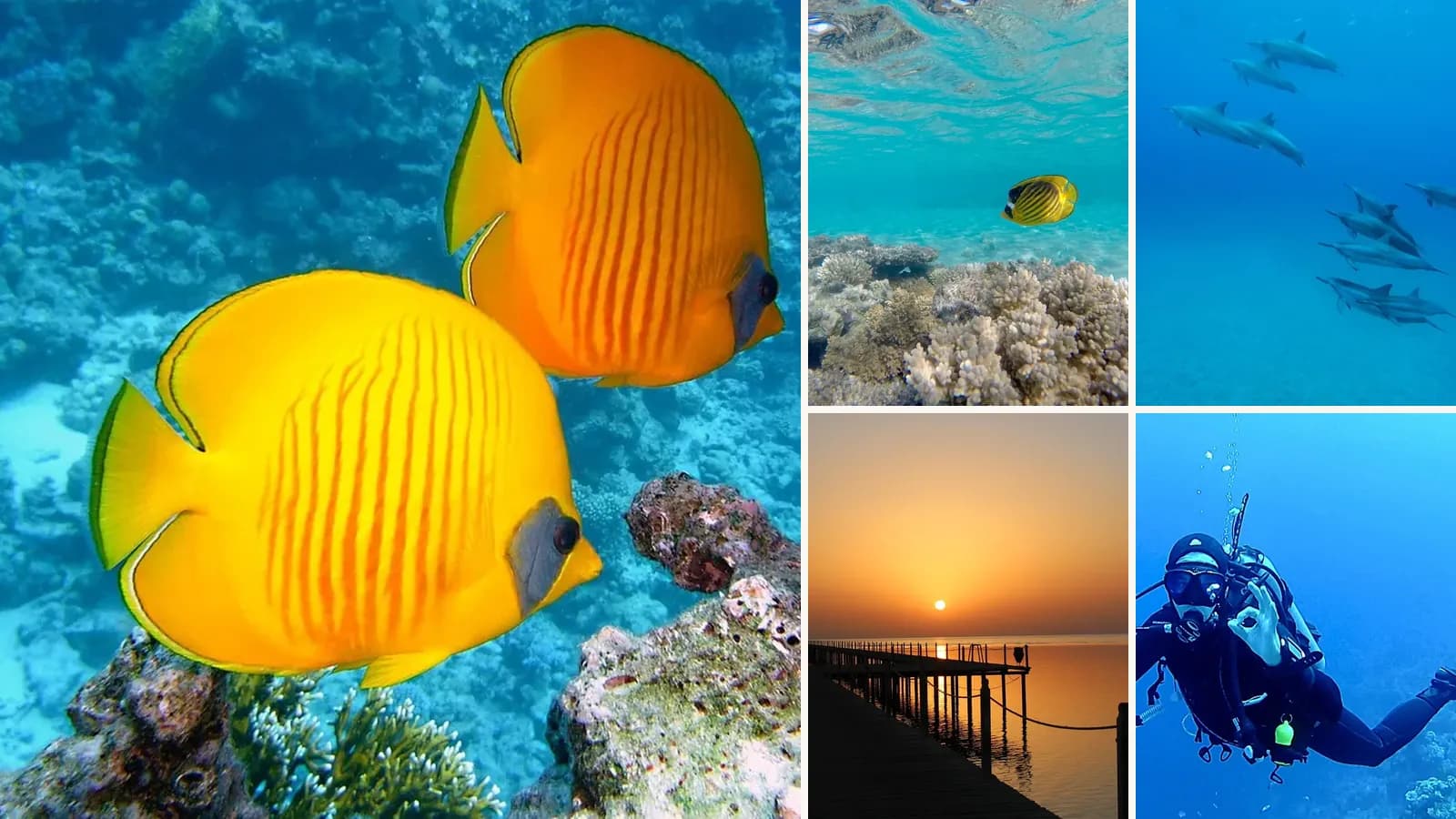
Hurghada is one of the easiest places in the world to see a coral reef. The Red Sea is warm and clear, and reefs are just minutes from the beach or a short boat ride away – with parrotfish, clownfish, turtles and sometimes dolphins. This guide covers the best snorkelling spots, beginner diving, what you'll see, the truth about sharks and how to protect the reef.
Snorkelling at a glance
- Water temperature: around 21–22°C in February–March, 26–29°C from June to October.
- Visibility: often 20–30 metres, best in the morning.
- Easiest option: a hotel house reef or a shallow island lagoon.
- Best reefs: around the Giftun Islands, Dolphin House (Shaab El Erg) and Magawish.
- For beginners: life jacket, guide, and a calm, sheltered spot.
The best snorkelling spots
1. The Giftun Islands
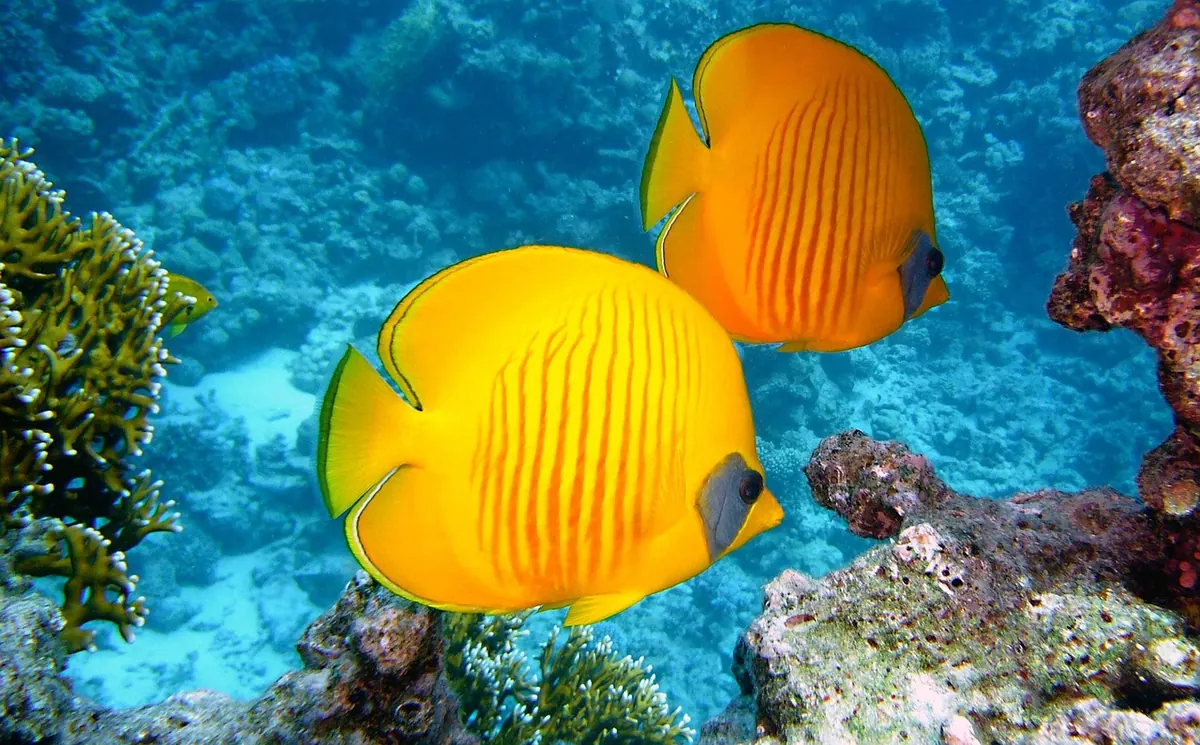
The protected Giftun Islands national park lies opposite Hurghada and has easy reefs full of fish. Most island trips include one or two snorkel stops here, often combined with the beach at Orange Bay – see the Orange Bay & Giftun snorkelling trip and our comparison of Hurghada island trips.
2. Mahmya
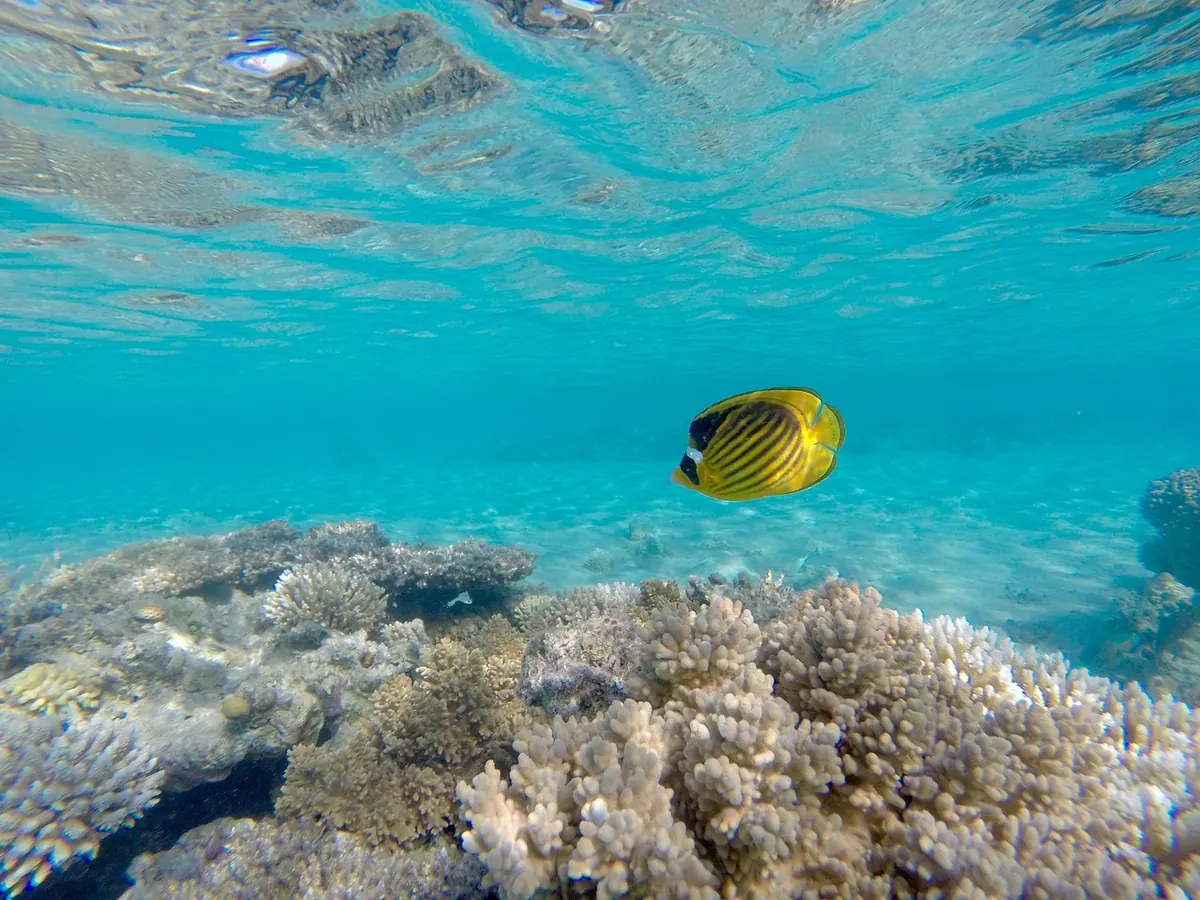
The sheltered house reef of the Mahmya beach club on Giftun Kebir starts just a few metres from the shore – ideal if you want to practise in the shallows and swim out when you feel ready. Book the Mahmya Island day trip.
3. Dolphin House (Shaab El Erg)
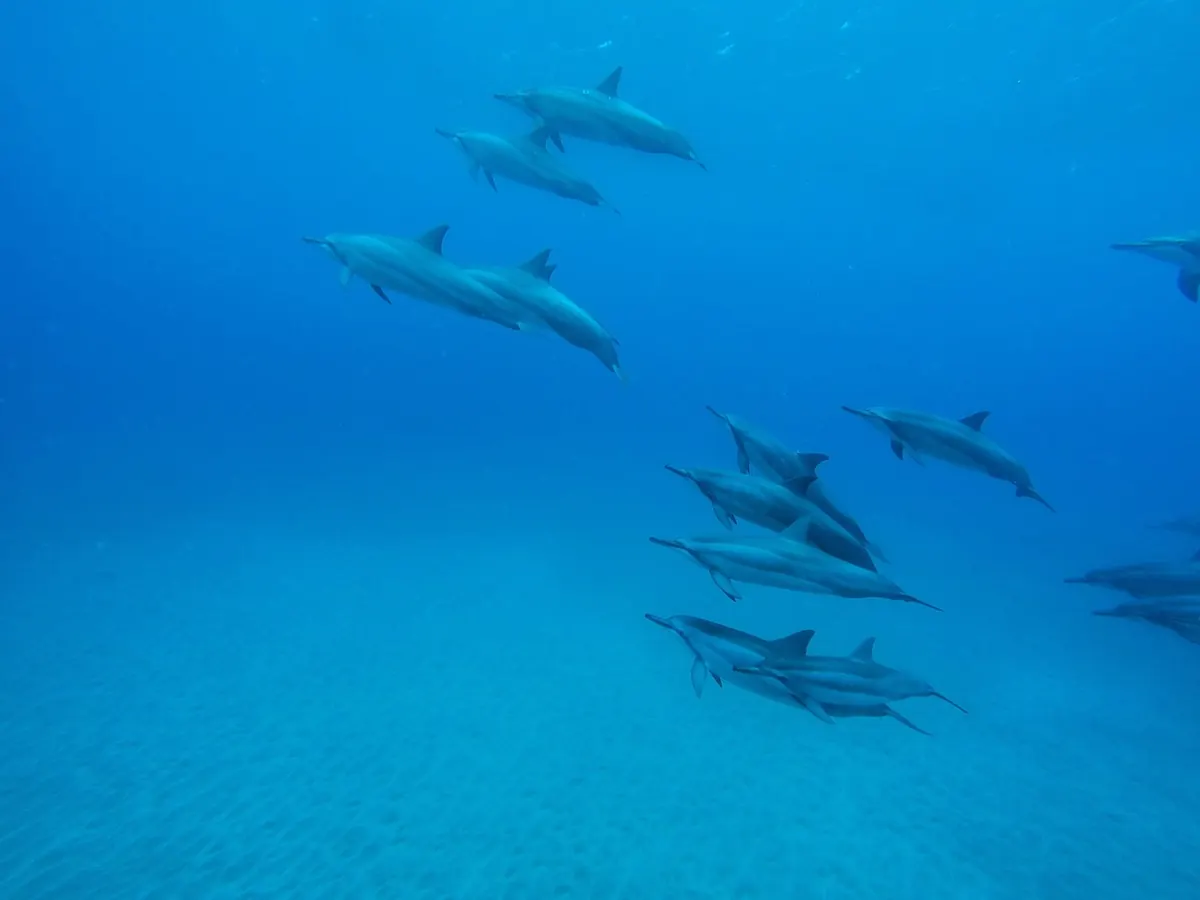
A large horseshoe-shaped reef north of Hurghada where spinner dolphins often rest. The Dolphin House snorkelling trip is the best chance of swimming near dolphins – sightings are common but never guaranteed, and good operators don't chase them.
4. Magawish and White Island
Shallow, sandy lagoons with bright turquoise water, visited on the three-islands cruise – great for relaxed snorkelling and families.
5. Hotel house reefs
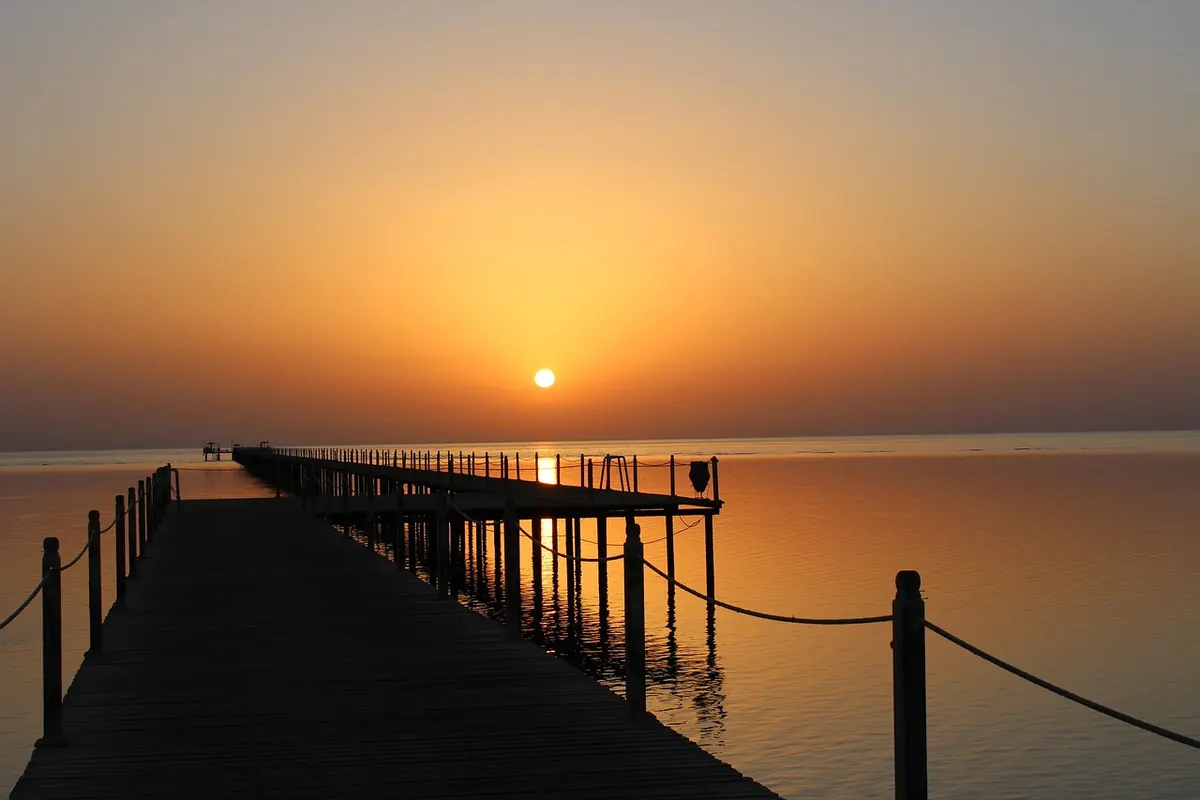
Makadi Bay, Sahl Hasheesh and some hotels in Hurghada have good reefs right off the beach, usually reached from a jetty. They're perfect for daily swims – see our Makadi Bay guide. Always check currents and use the jetty rather than walking over coral.
Diving for beginners
6. Try-dives
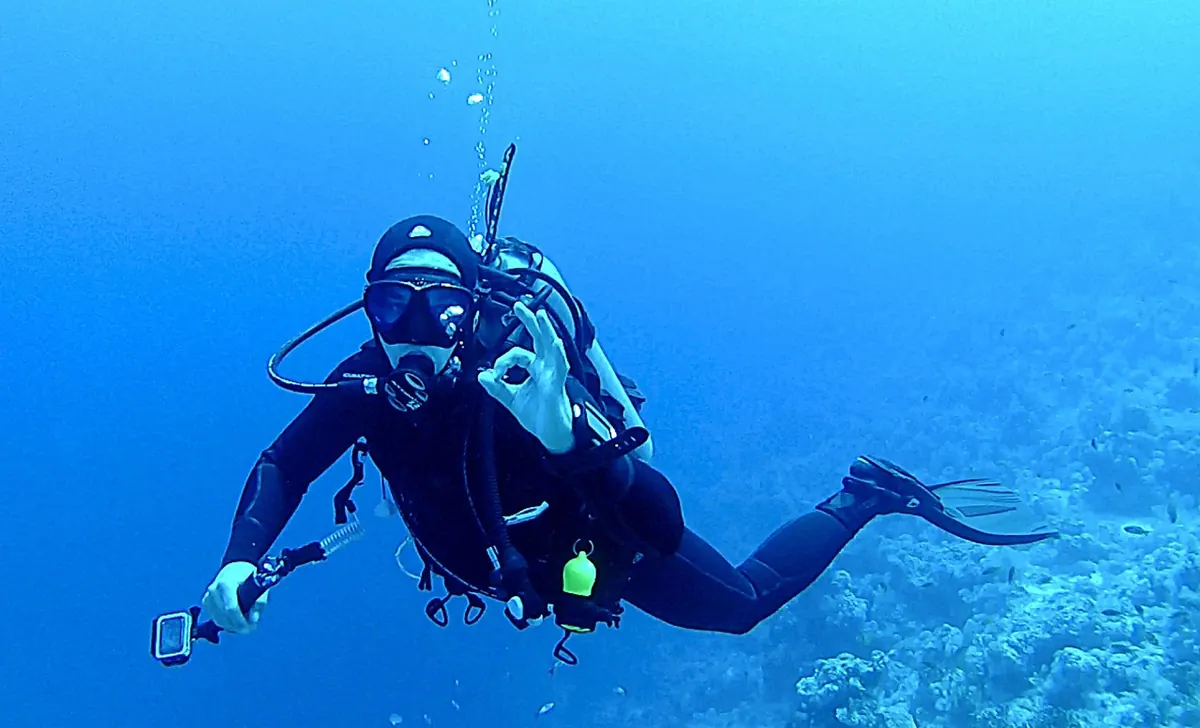
You don't need a licence to dive in Hurghada. On an introductory scuba dive, an instructor explains the equipment, you practise simple skills in shallow water, and then descend slowly to around 12 metres at most. Most healthy people from around 10 years old can join after a medical questionnaire; some heart, lung or ear conditions and pregnancy need a doctor's approval or rule diving out. Plan your try-dive early in the holiday – you shouldn't fly for 18–24 hours afterwards. More in this beginner diving guide.
7. Courses and liveaboards
Many dive centres offer beginner courses over three to four days, and Hurghada is a starting point for liveaboard trips to wrecks such as the SS Thistlegorm and the reefs of the northern Red Sea – see our Red Sea liveaboard guide.
What you'll see
8. Red Sea marine life
Expect parrotfish, clownfish in anemones, butterflyfish, angelfish and many species found only in the Red Sea. Turtles, moray eels, blue-spotted stingrays and octopus are regular sightings, and dolphins visit some reefs. Admire lionfish, stonefish and fire coral from a distance. For a field guide, see this Red Sea marine life guide.
9. Sharks – what you should know
Sharks live in the Red Sea, but encounters near Hurghada's beaches and snorkel sites are rare, and most species are harmless to people. There have been a few serious incidents along the coast in recent years, which led to temporary beach closures. Stay safe by snorkelling with a guide, staying in designated swimming areas, following beach closures and flags, and not swimming at dawn, dusk or near fishing boats.
Tips for safe snorkelling
- Life jacket: wear one or hold a float until you feel confident.
- Mask: defog it before each stop with anti-fog or a little baby shampoo.
- Sun: wear a rash vest – your back burns quickly while snorkelling.
- Stay together: keep close to the guide and your buddy, and away from boat lanes.
- Protect the reef: never stand on or touch coral, keep fins off the bottom, don't feed fish and use mineral, reef-friendly sunscreen.
Frequently asked questions
Can non-swimmers snorkel in Hurghada?
Yes, with a life jacket and a guide. Beaches such as Orange Bay, Mahmya and Paradise Island have shallow lagoons where you can stand.
Are there sharks in Hurghada?
Sharks live in the Red Sea, but encounters near Hurghada's beaches and snorkel sites are rare. There have been a few serious incidents along the coast in recent years, so always follow local safety rules, beach closures and your guide's instructions.
Can I dive without experience in Hurghada?
Yes. Most healthy people from around 10 years old can do an introductory dive with an instructor, after completing a medical questionnaire.
When is the best time to snorkel in Hurghada?
Snorkelling is possible all year. The water is warmest from June to October (around 26–29°C) and coolest in February and March (around 21–22°C), when a wetsuit or shorty helps.
Keep reading
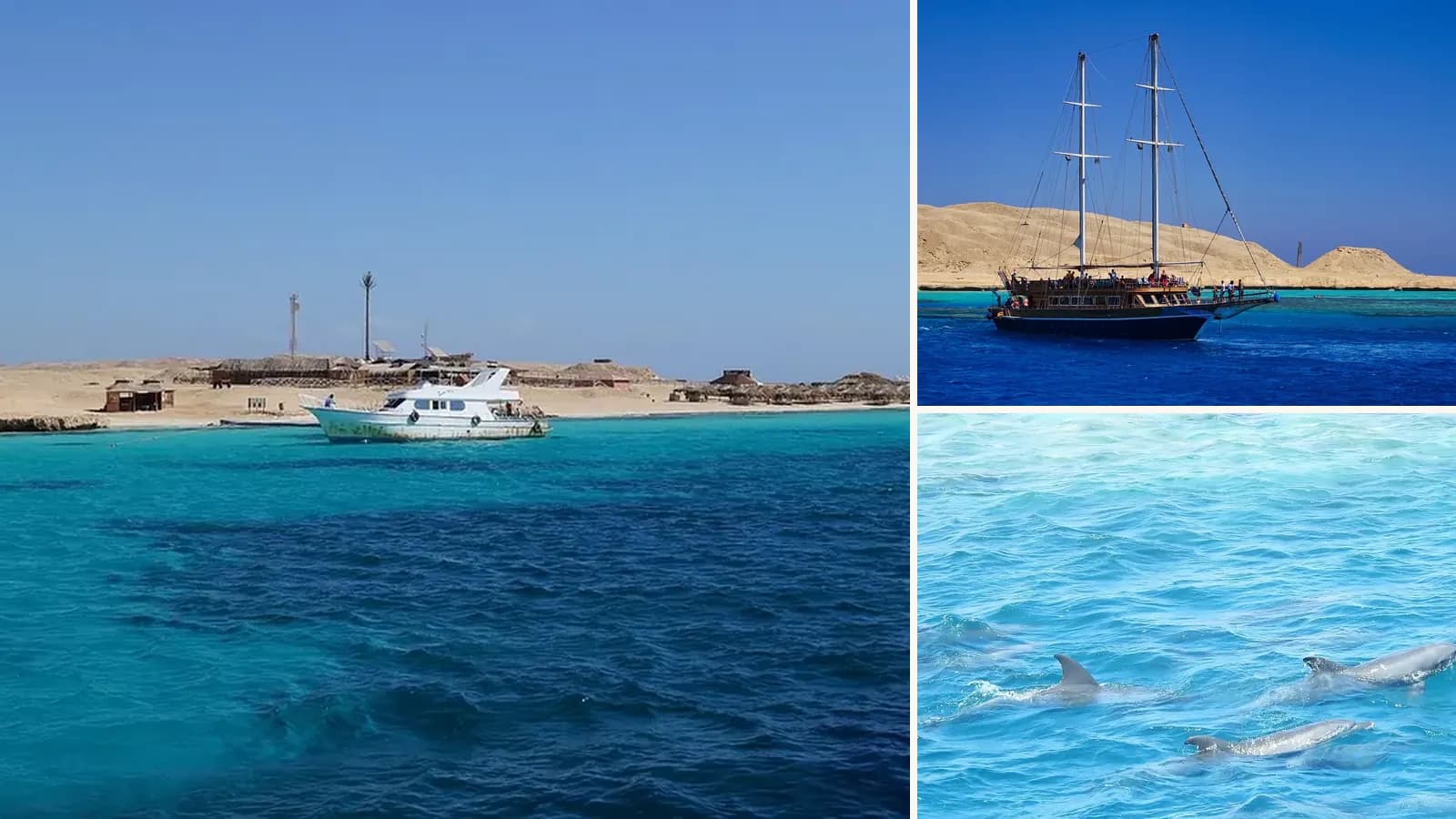
Hurghada Island Trips: Orange Bay, Paradise Island, Mahmya or the Three-Island Cruise?
Orange Bay, Paradise Island (Abu Minqar), Mahmya and the three-islands cruise compared – beaches, snorkelling, crowds and which Hurghada island trip suits you.
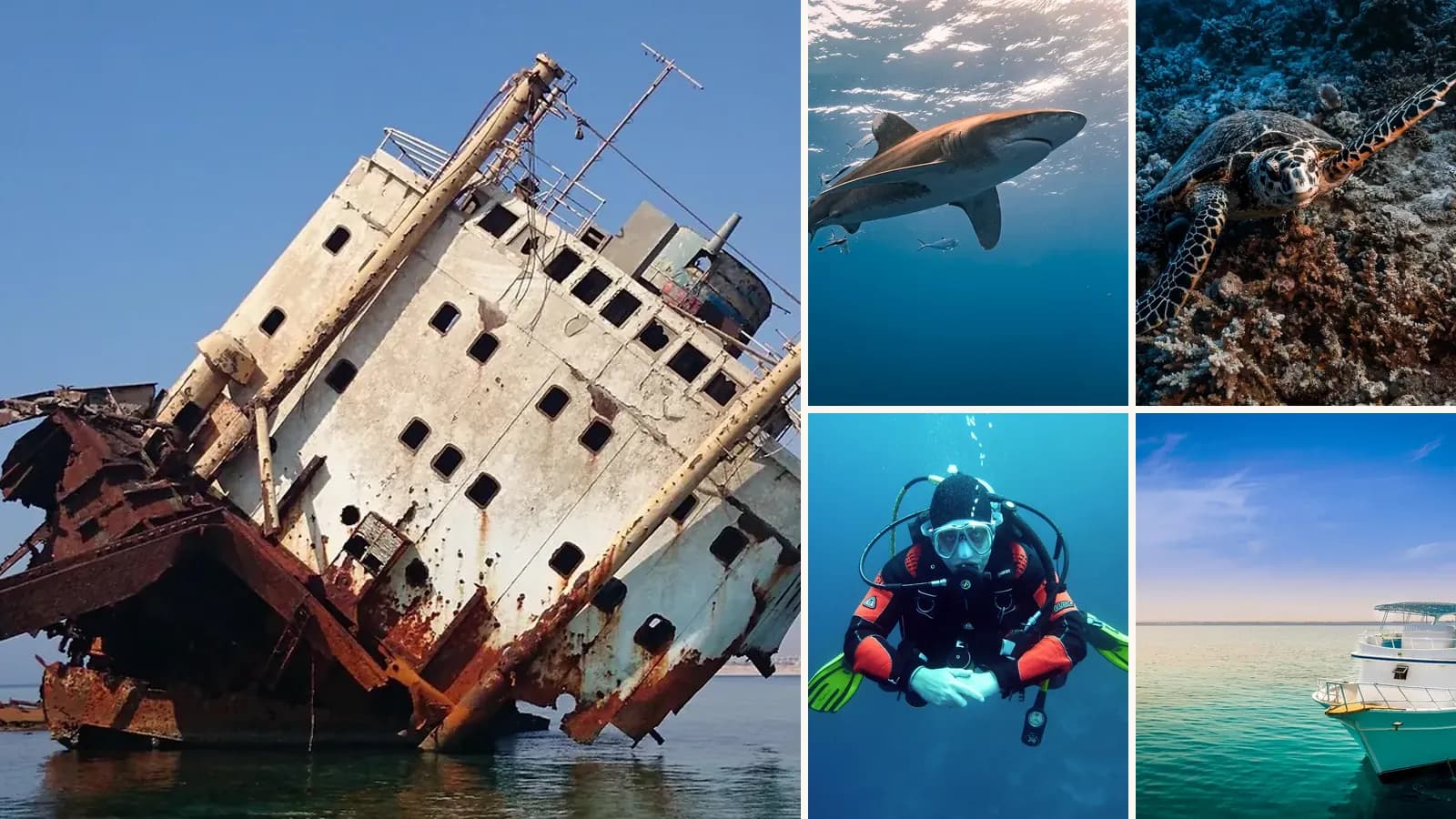
Red Sea Liveaboard Guide: Routes, Wrecks and How to Choose Your Boat
Northern wrecks, the Brothers, Daedalus and Elphinstone, or the deep south – how to choose a Red Sea liveaboard from Hurghada, Port Ghalib or Sharm el-Sheikh.
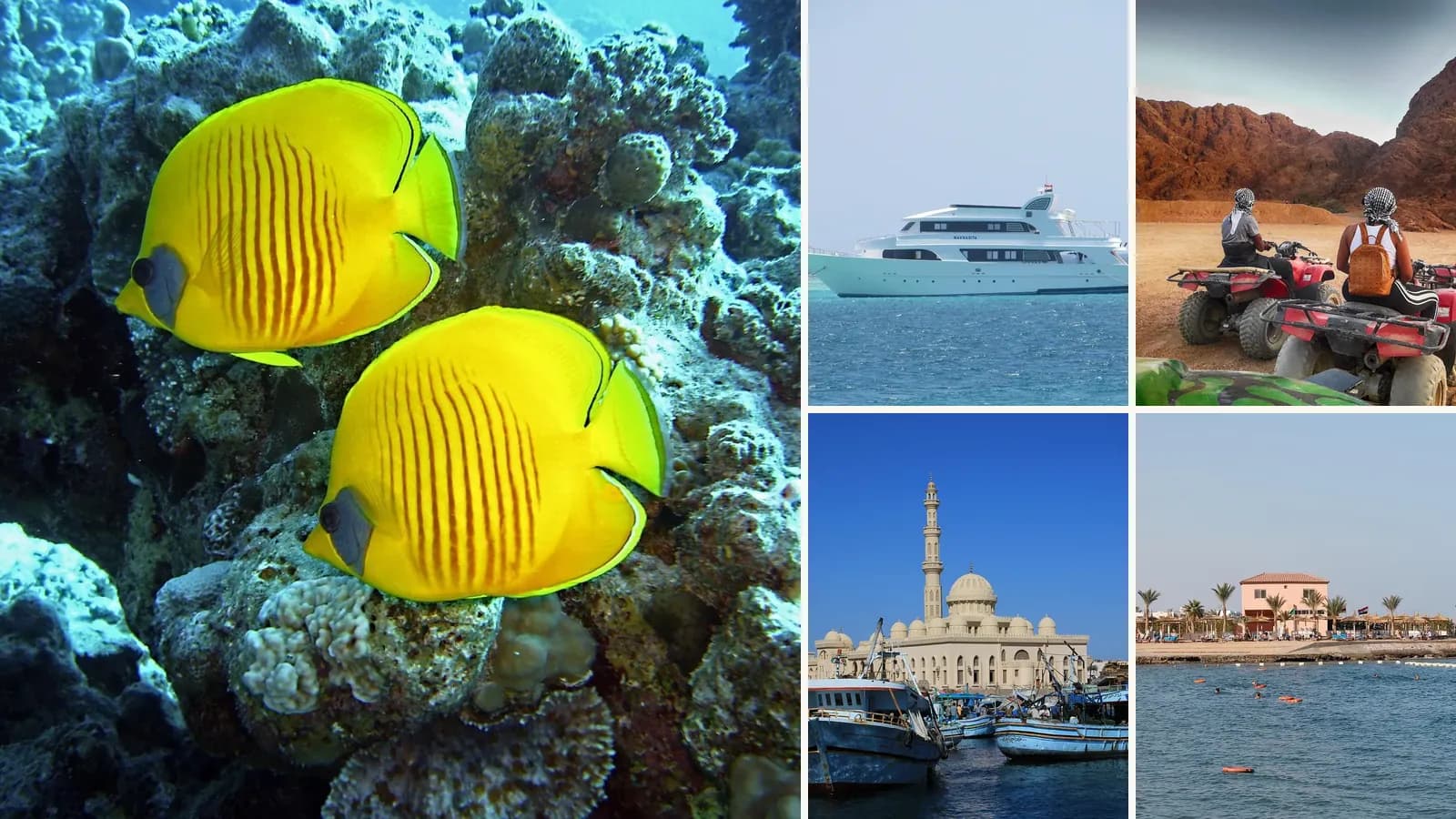
Makadi Bay, Egypt: Beaches, Reefs, Day Trips and Getting There from Hurghada
Makadi Bay near Hurghada: house reefs, family resorts, the best day trips, how far it is from Hurghada airport and how to get there.
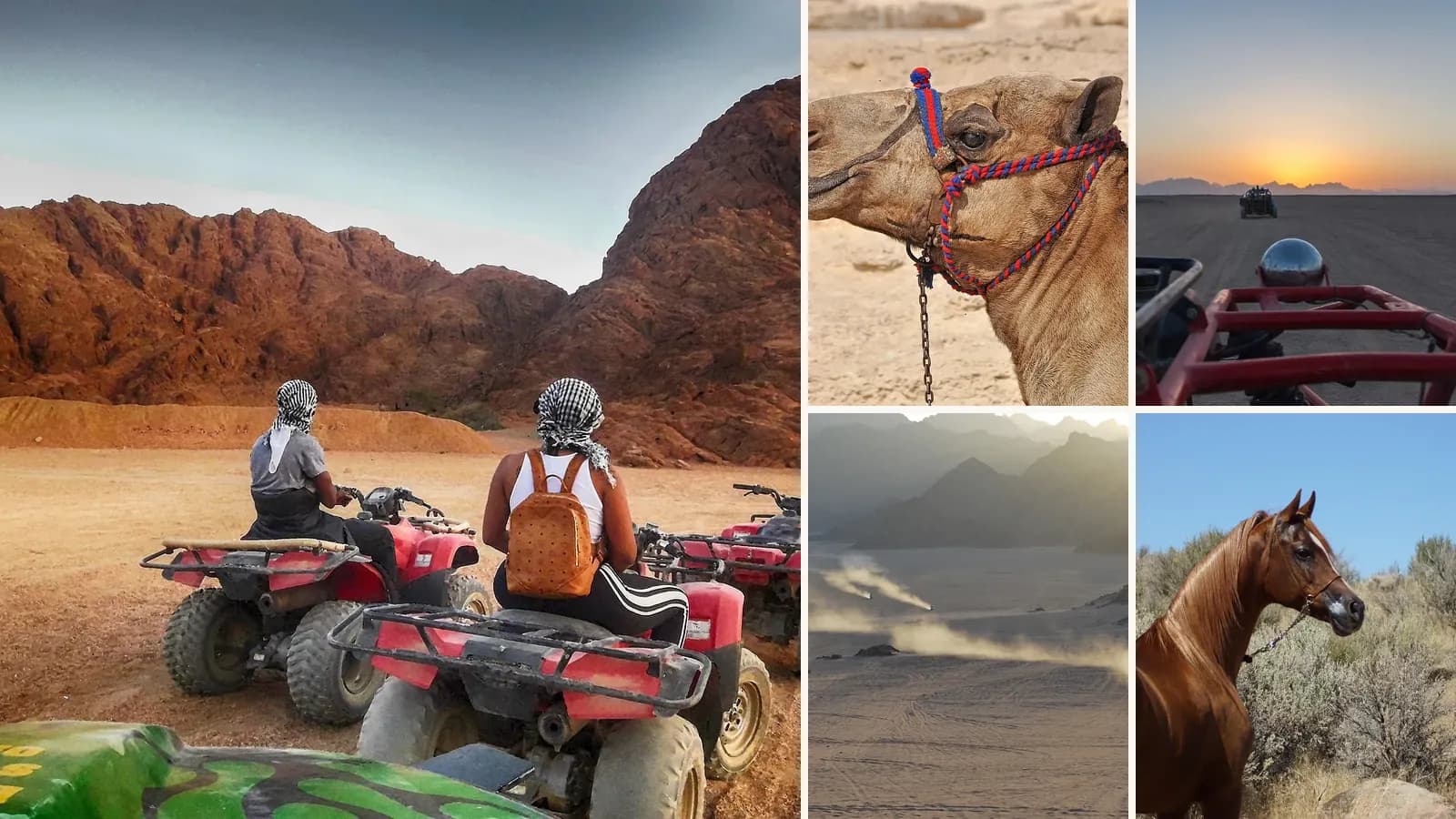
Hurghada Desert Safari: Quad, Buggy, Jeep or Stargazing – Which to Choose?
Quad bike, dune buggy, Super Safari, private jeep or stargazing – the Hurghada desert safaris compared, what a typical trip includes, what to wear and safety tips.