Havila Capella: Everything You Need to Know About Havila Voyages' Norwegian Coastal Ship
Havila Capella on the Norwegian coastal route from Bergen to Kirkenes: battery-powered sailing, cabins, food, the voyage and the best time to go.

Some links in this guide are partner links: if you buy through them we may earn a small commission, at no extra cost to you. It never affects what we recommend. How we make money
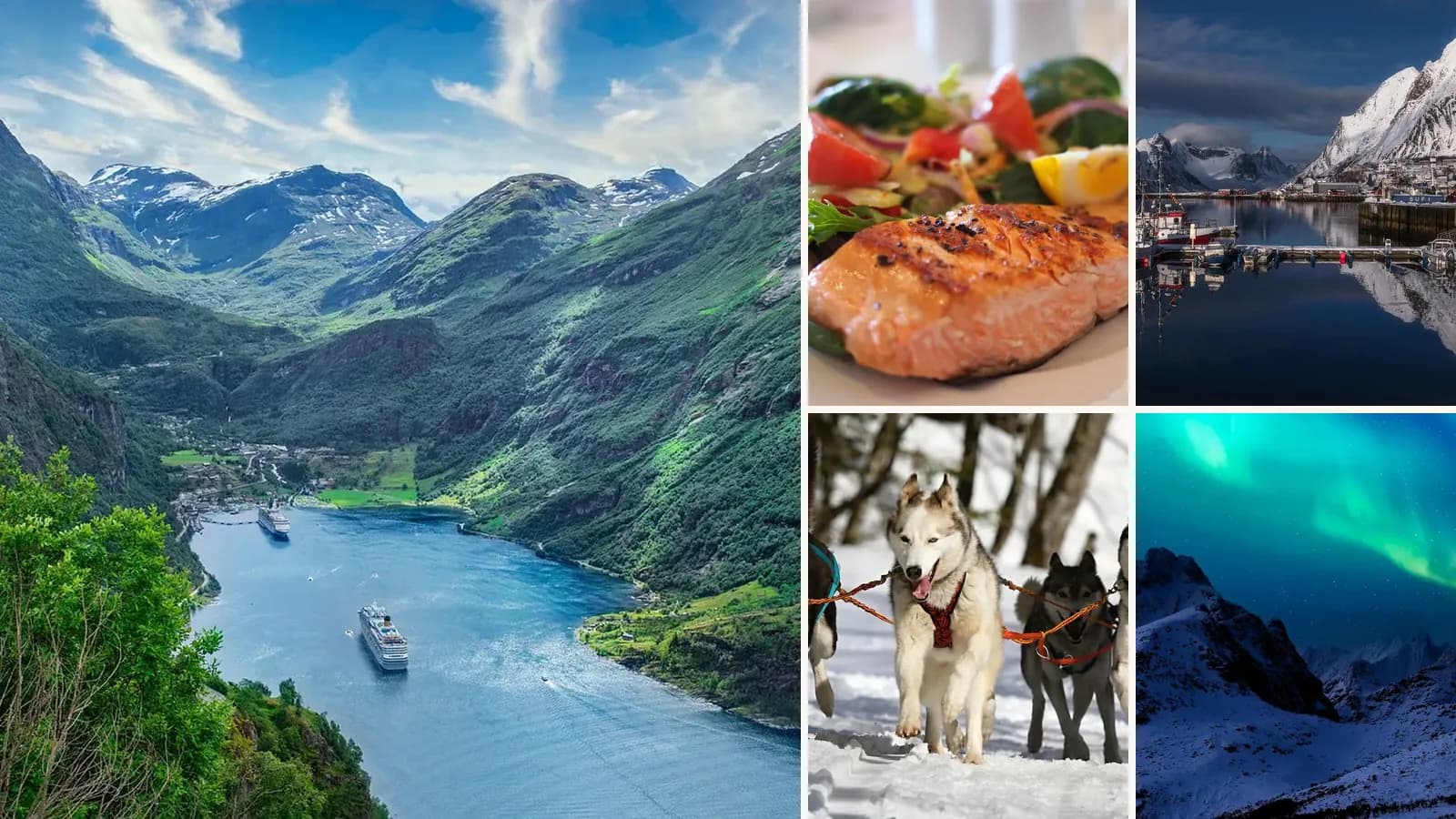
The Norwegian coastal voyage between Bergen and Kirkenes is often called the world's most beautiful sea journey: fjords, mountains, fishing villages, the midnight sun in summer and the northern lights in winter. Havila Capella, which entered service at the end of 2021, was the first of Havila Voyages' new ships on the route – and one of the greenest passenger ships at sea. Here's everything you need to know.
Havila Capella at a glance
| Quick facts | |
|---|---|
| Operator | Havila Voyages (Norway) |
| Route | Bergen – Kirkenes – Bergen, around 34 ports |
| Full voyage | 12 days round trip; one-way and port-to-port options |
| In service | Since December 2021 |
| Guests | Around 640 |
| Power | Liquefied natural gas plus very large batteries |
The ship
1. Sailing on battery power
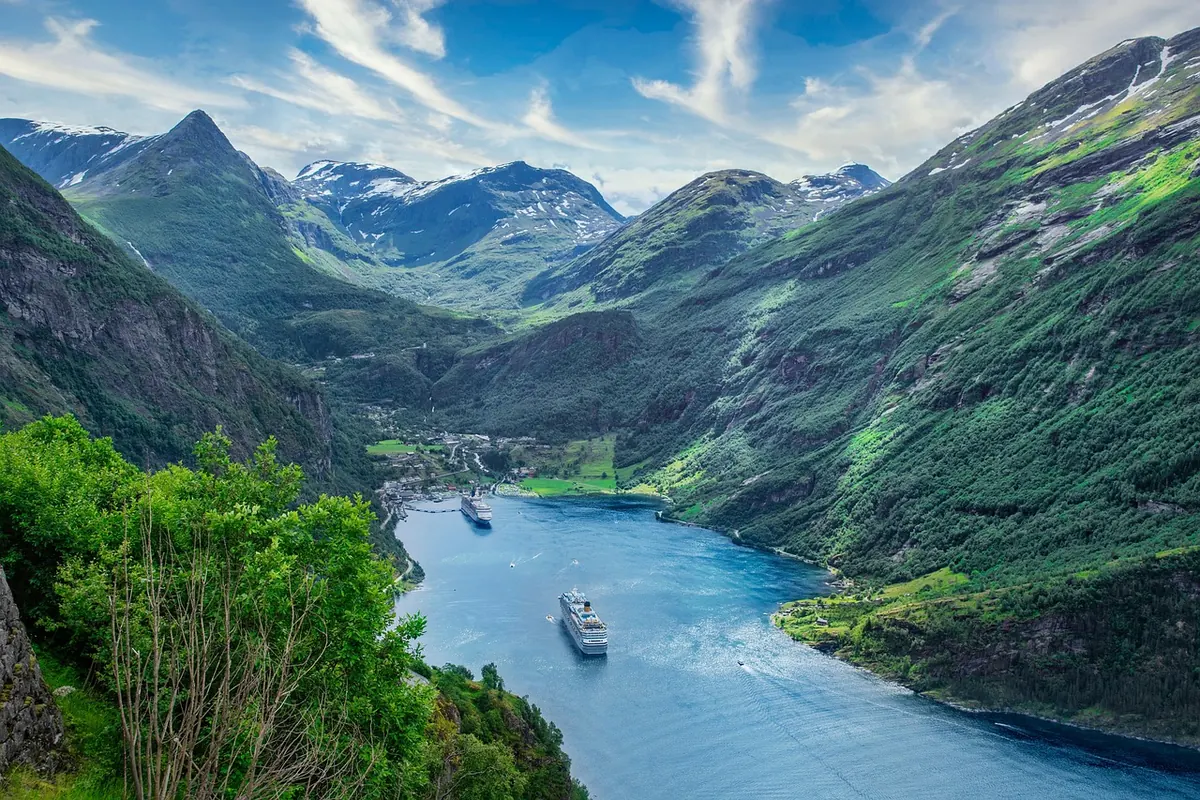
Havila's ships carry some of the largest battery packs at sea and can sail for around four hours with zero emissions, recharged with renewable hydropower in port. This lets them glide silently through sensitive areas such as the Geirangerfjord, which has strict emissions rules.
When the ship switches to battery power in the fjords, the engines go silent – you hear only waterfalls and seabirds as the cliffs slide past.
2. Cabins and suites
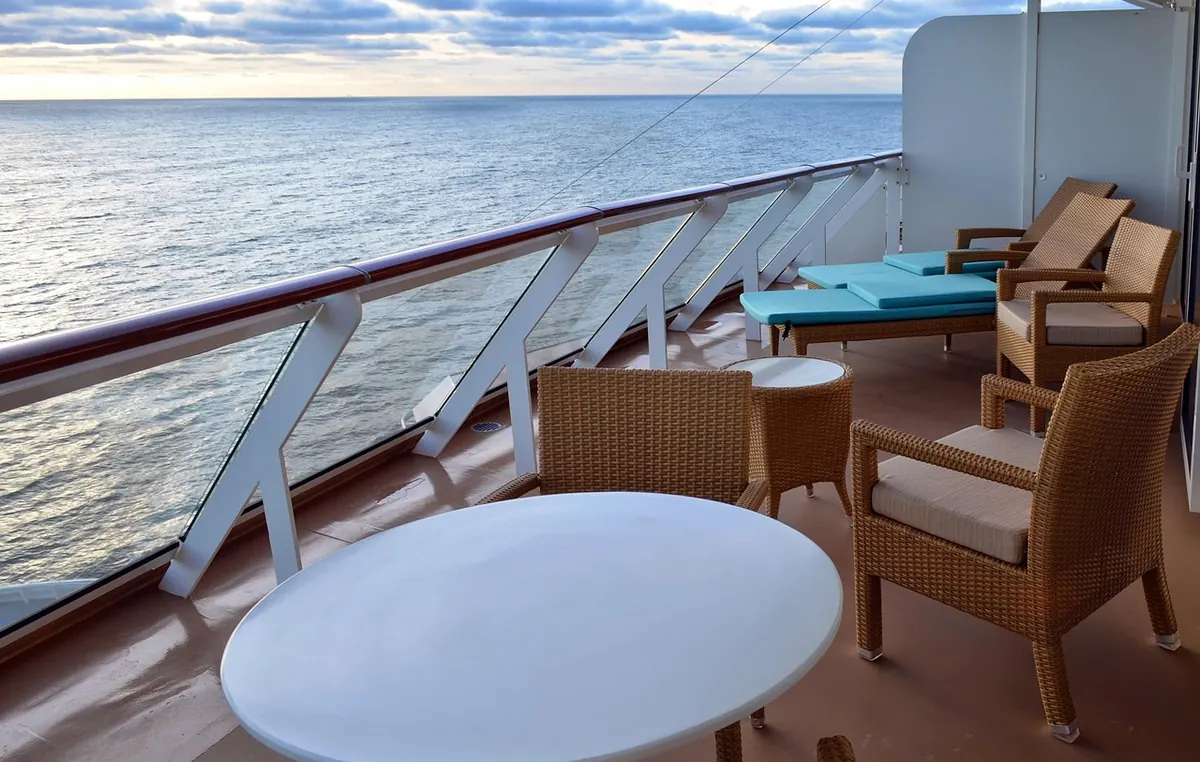
Cabins range from inside cabins to sea-view cabins and suites, many with large windows and some with balconies or private hot tubs. The decor is Scandinavian – calm colours, natural materials and big windows to watch the coast pass by.
3. Food and drink
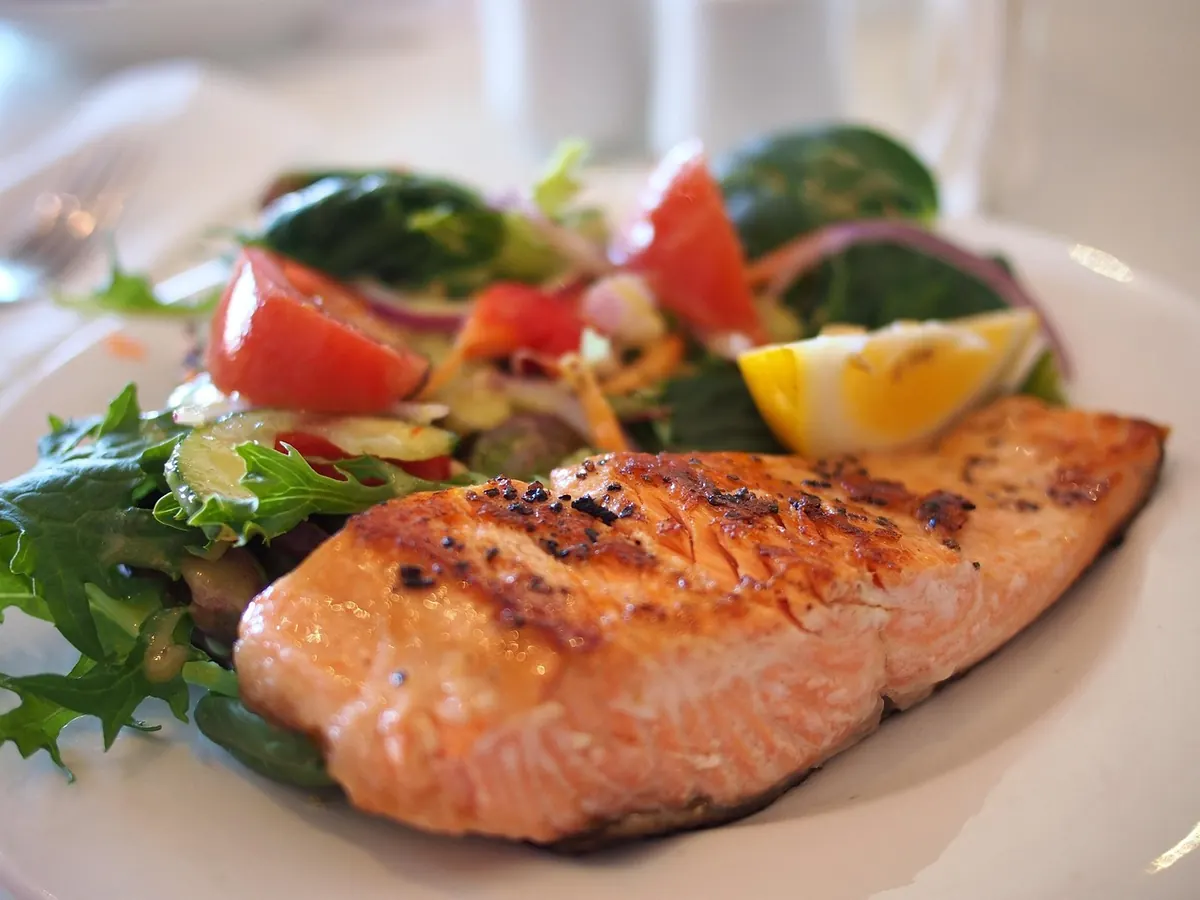
Havila focuses on regional, seasonal Norwegian food, often sourced from the communities along the route. Expect fish and seafood, lamb, reindeer and local cheeses, with a set menu for meal-package guests and à-la-carte dining options. Unlike many cruise lines, there's no huge buffet – a deliberate choice to reduce food waste.
Arctic char, reindeer and cloudberries from the regions you sail through, served with views of the mountains.
The voyage
4. A working ship
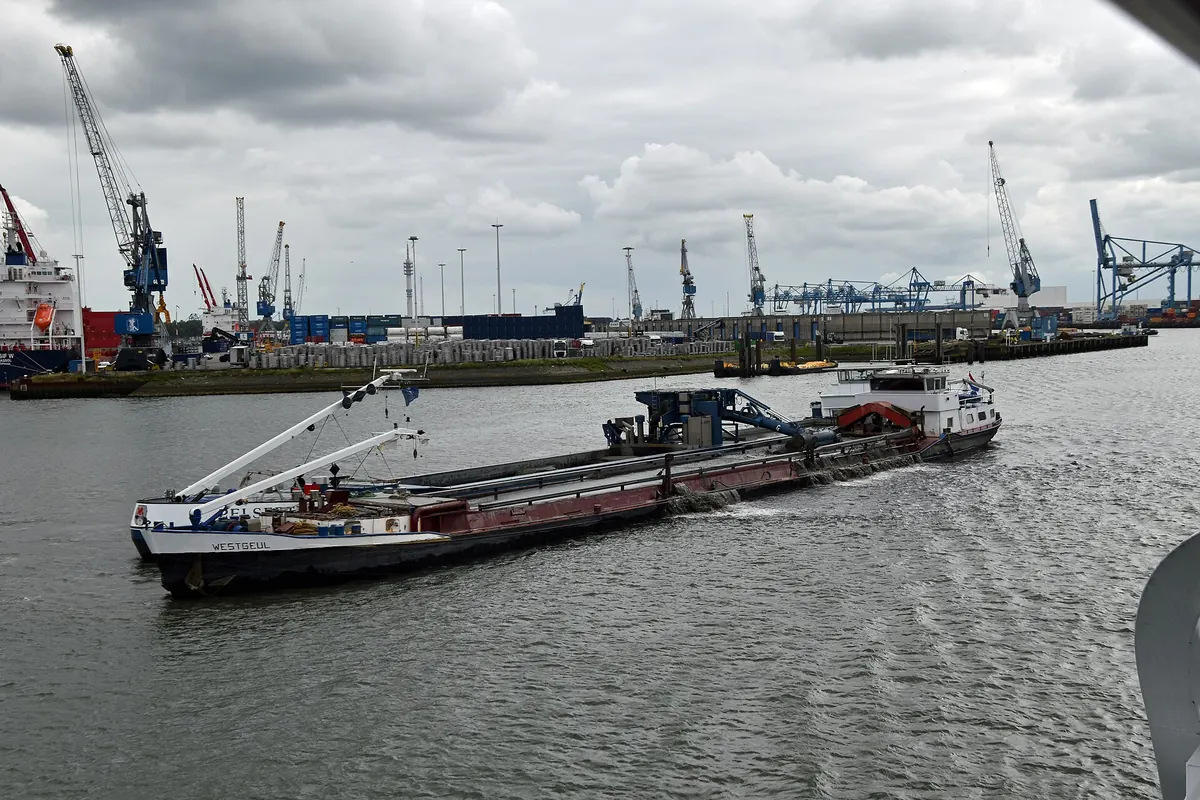
Like the historic coastal ships, Havila Capella delivers cargo and carries local passengers between towns. Some port calls last only 15 minutes in the middle of the night, others several hours – long enough for a walk or an excursion. This mix is part of the charm: you see real coastal life, not just tourist ports.
At every small port, forklifts load cargo and locals board with their bags – you feel part of the life of the coast.
5. Highlights northbound
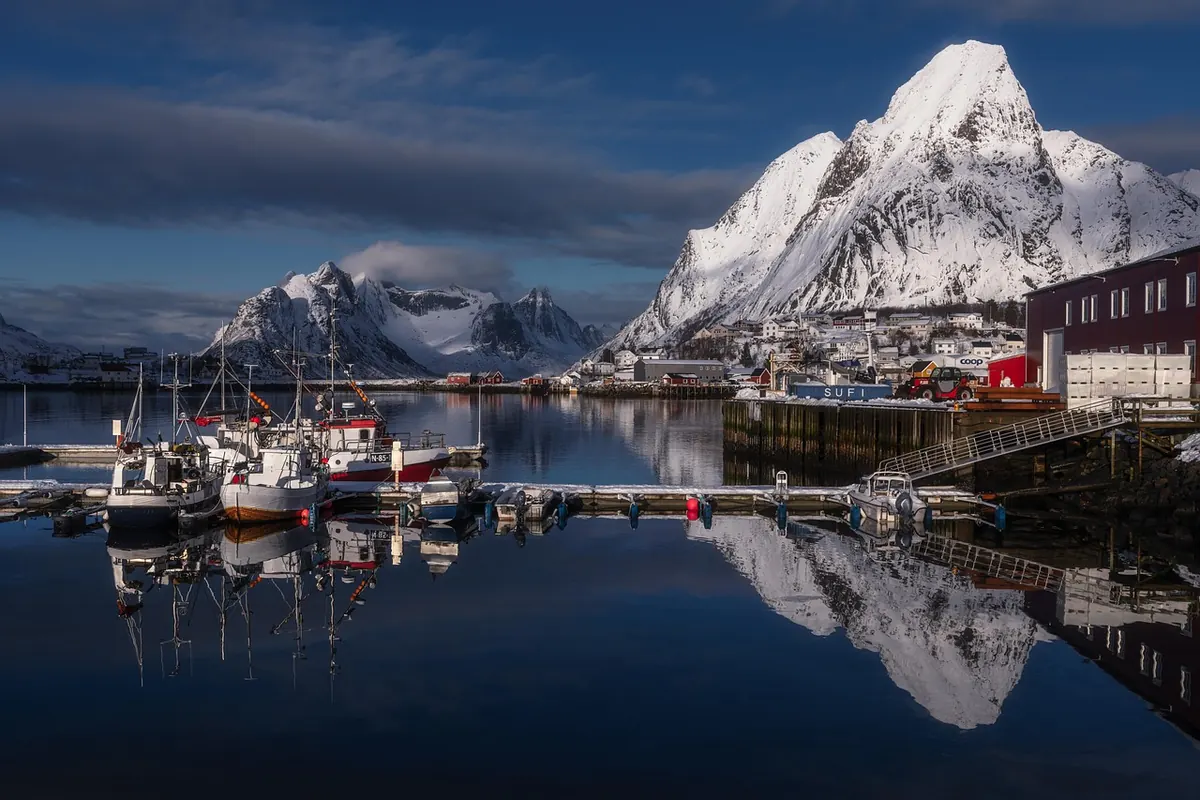
From Bergen, the route follows the coast to Ålesund, with its Art Nouveau architecture, and (in season) the Geirangerfjord. Trondheim has Nidaros Cathedral, and the ship crosses the Arctic Circle before the dramatic Lofoten Islands and Trollfjord (in suitable conditions). Tromsø is the gateway to the Arctic, and the ship rounds North Cape country at Honningsvåg before reaching Kirkenes, close to the Russian border.
Snow-capped peaks rising from the sea, the narrow Trollfjord and, in winter, the northern lights dancing above the ship.
6. Excursions

Optional excursions include fjord trips, Arctic wildlife safaris, husky sledding and snowmobiles in winter, the North Cape plateau and Sami cultural experiences. Book popular winter excursions early.
When to go
7. Seasons on the Norwegian coast

- Summer (May–August): the midnight sun north of the Arctic Circle, green landscapes and the Geirangerfjord.
- Autumn (September–October): autumn colours and the start of the northern lights season.
- Winter (November–February): snow, Arctic light and the best chance of the northern lights – but short days and rough seas are possible.
- Spring (March–April): long, bright days with snow still on the mountains – a favourite for photographers.
Tips for your voyage
- Pack layers – it's cool on deck even in summer; in winter, bring thermal underwear, a warm hat and boots with good grip.
- One-way or round trip? One-way voyages (around six or seven days) are a good compromise; the return visits the ports you passed at night.
- Seasickness: some open stretches can be rough in winter – choose a midships cabin.
- Northern lights: ask for the onboard alert so you don't miss a display at night.
- Comparing cruise styles? See our beginner's guide to picking a cruise line.
Frequently asked questions
What route does Havila Capella sail?
Havila Capella sails the classic Norwegian coastal route between Bergen and Kirkenes, calling at around 34 ports. The full round trip takes 12 days, and you can also book one-way voyages or shorter port-to-port sections.
Is Havila Capella a cruise ship or a ferry?
Both. Like the traditional Hurtigruten coastal ships, it carries cruise passengers, local travellers and cargo between coastal communities, so it combines cruise comforts with a working-ship atmosphere.
Can you see the northern lights from Havila Capella?
Yes, on autumn and winter voyages north of the Arctic Circle the northern lights are often visible on clear nights, though sightings are never guaranteed.
What makes Havila's ships environmentally friendly?
They run on liquefied natural gas with very large battery packs, allowing them to sail for several hours with zero emissions – including through protected fjords.
Keep reading
A Beginner's Guide to Picking a Cruise Line
Mega-ship, premium, luxury, adults-only, expedition or river? The main types of cruise line and how to choose the right one for you.

How Iceland Is Rethinking Tourism – and How to Visit Responsibly
Iceland's tourism boom changed the country. How it is managing crowds and protecting nature, and how to visit responsibly – with seasons, routes, safety rules and tips.
Holland America Line's Nieuw Statendam: Everything You Need to Know
Holland America Line's Nieuw Statendam explained: the ship at a glance, cabins and suites, restaurants, Music Walk and the Rolling Stone Rock Room, itineraries and tips.
Oasis of the Seas: Royal Caribbean's Giant Ship After Its Big Makeover
Royal Caribbean's Oasis of the Seas explained: the seven neighbourhoods, the Ultimate Abyss slide and other additions from its makeover, dining, cabins and tips.