Phuket Luxury Travel Guide: Beaches, Island-Hopping and Where to Stay
Kamala, Surin and Nai Harn beaches, Phang Nga Bay, the Phi Phi Islands, Old Phuket Town and how to choose a luxury resort – a guide to Phuket for high-end travellers.

Some links in this guide are partner links: if you buy through them we may earn a small commission, at no extra cost to you. It never affects what we recommend. How we make money
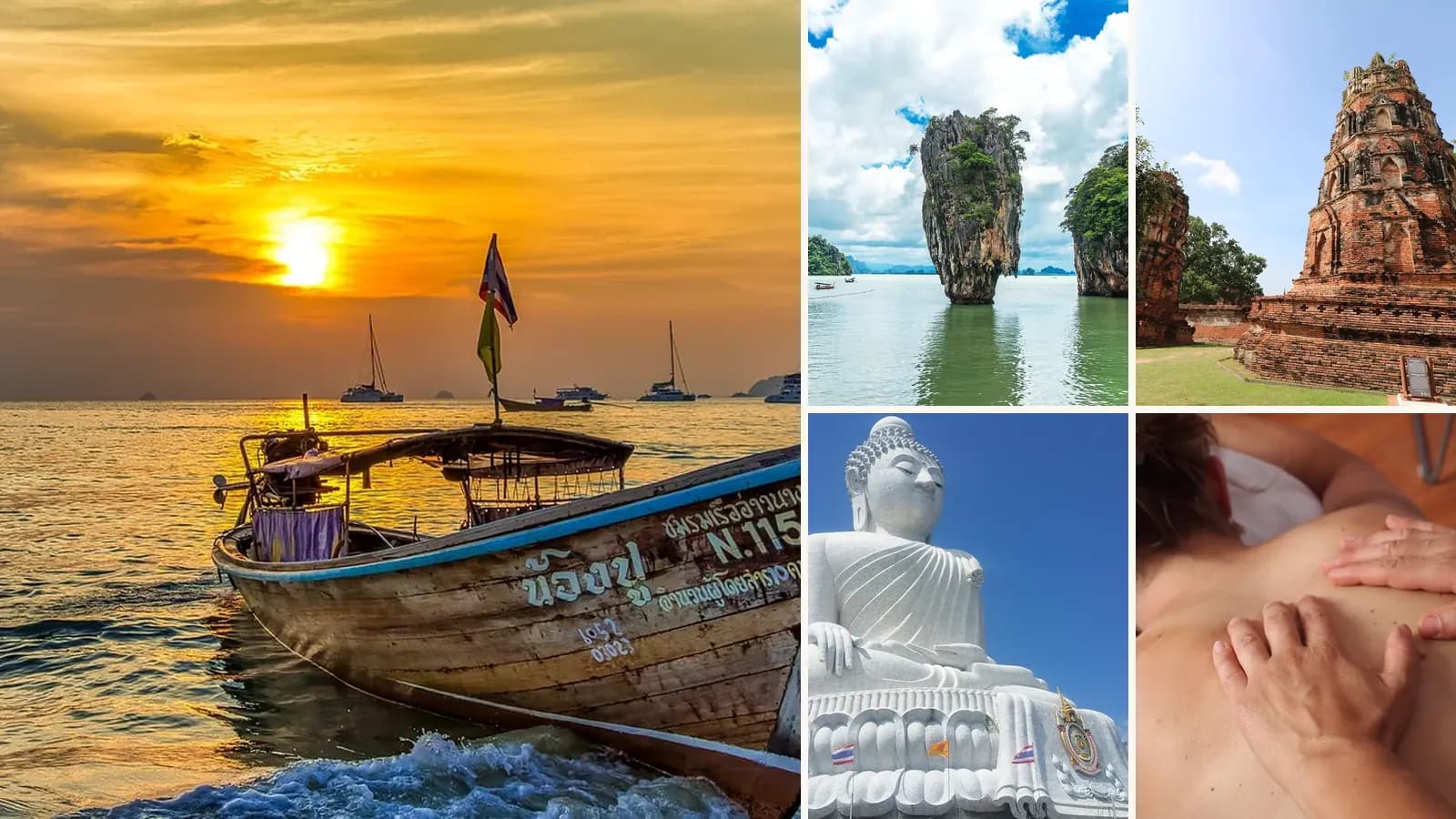
Phuket is Thailand's largest island and one of Asia's great beach destinations. Beyond the busy strip of Patong, it has quiet bays lined with luxury villa resorts, superb food from street stalls to fine dining, a colourful old town and easy island-hopping to some of the most spectacular seascapes in the world. For many travellers, it's a serious rival to the Maldives for a high-end holiday – with far more to do and often at lower prices.
This guide covers the best beaches and experiences, how to choose a luxury resort, when to go and how to get around the island.
Phuket at a glance
| Quick facts | |
|---|---|
| Best time to visit | November–April (dry season, calm seas on the west coast) |
| How long to stay | 7–10 days, including island trips |
| Airport | Phuket International (HKT), in the north of the island |
| Getting around | Private drivers, taxis, ride-hailing apps; boats for islands |
| Best for | Luxury resorts, couples, families, food, island-hopping |
1. The west coast beaches
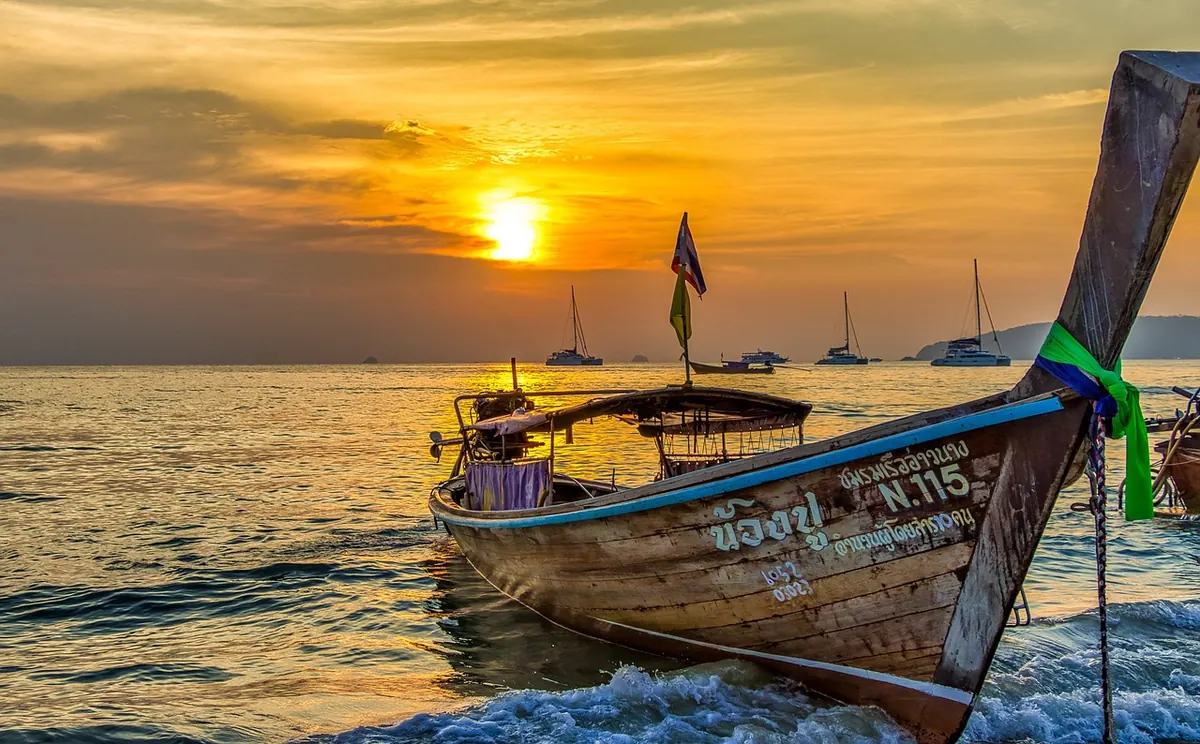
The west coast north of Patong is calmer and more upmarket. Kamala has a relaxed village feel; Surin is small and stylish, with some of the island's most exclusive resorts; Bang Tao is a long beach home to a large integrated resort area with several luxury hotels, a golf course and lagoons; and Layan is quiet and secluded. All face west over the Andaman Sea, with spectacular sunsets.
During the dry season the sea is calm and clear; in the monsoon season (roughly May to October), waves can be strong, and red flags mean no swimming.
Long sandy beaches, from busy Patong to the quieter Kata and Karon, with sunsets over the Andaman Sea.
2. Nai Harn and the south
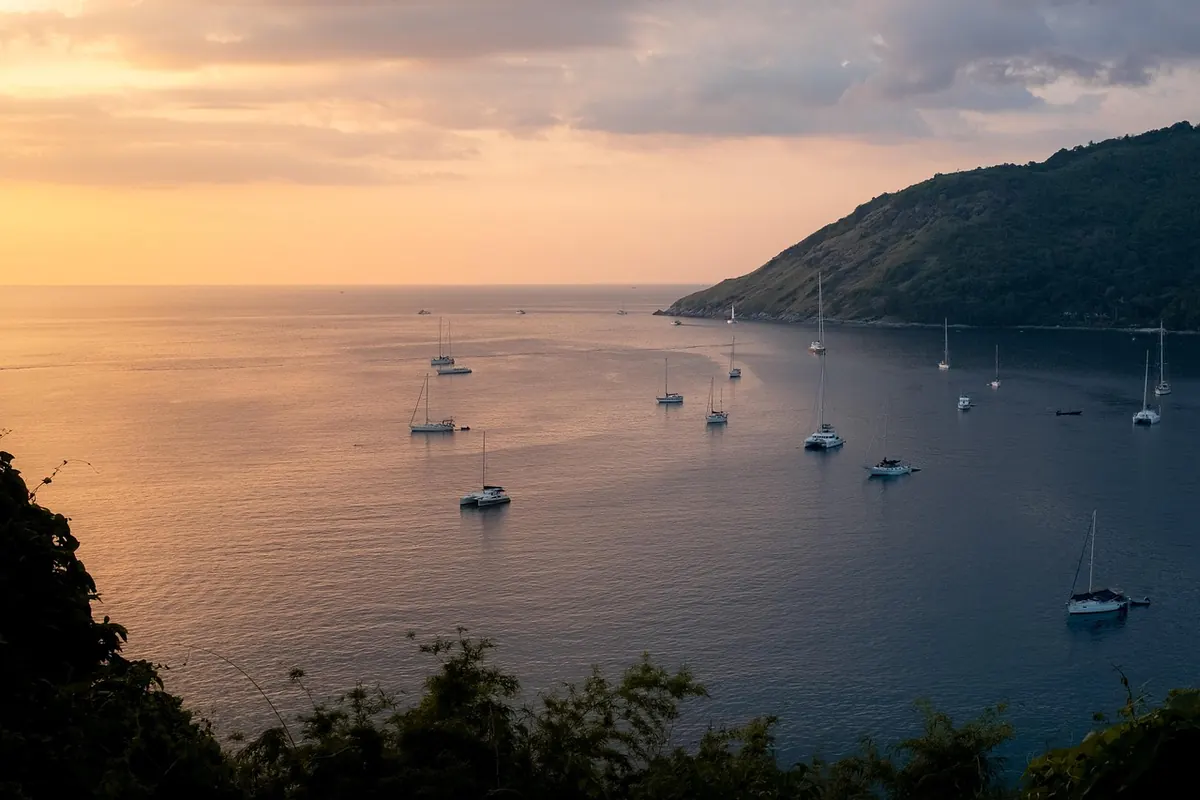
Nai Harn, near Phuket's southern tip, is one of the island's most beautiful bays, with a lake behind the beach and a relaxed, local atmosphere. Nearby, the Promthep Cape viewpoint is the island's most famous sunset spot, and Kata and Karon offer livelier beaches with more restaurants. Rawai, on the south coast, is known for its seafood market, where you choose your fish and have it cooked at a neighbouring restaurant.
A calm, beautiful bay, and at Promthep Cape, crowds gather to watch the sun set into the sea.
3. Phang Nga Bay
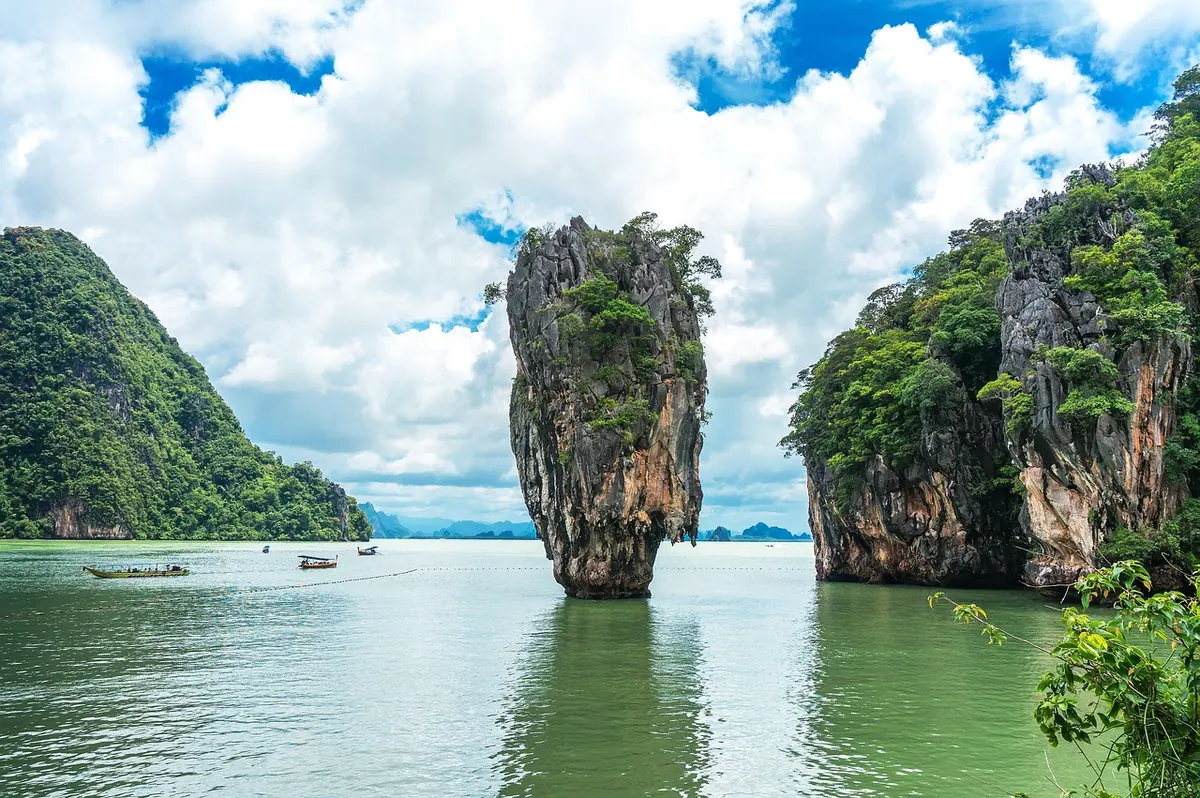
North-east of Phuket, limestone karsts rise dramatically from the emerald sea of Phang Nga Bay. Explore by long-tail boat, speedboat or sea kayak, paddling into hidden lagoons (hongs) inside the islands. Highlights include Khao Phing Kan, known as "James Bond Island" after The Man with the Golden Gun, and the stilted fishing village of Koh Panyee. A private or small-group boat avoids the crowds.
Limestone karsts rise out of emerald water, and you kayak into hidden lagoons through caves.
4. The Phi Phi Islands
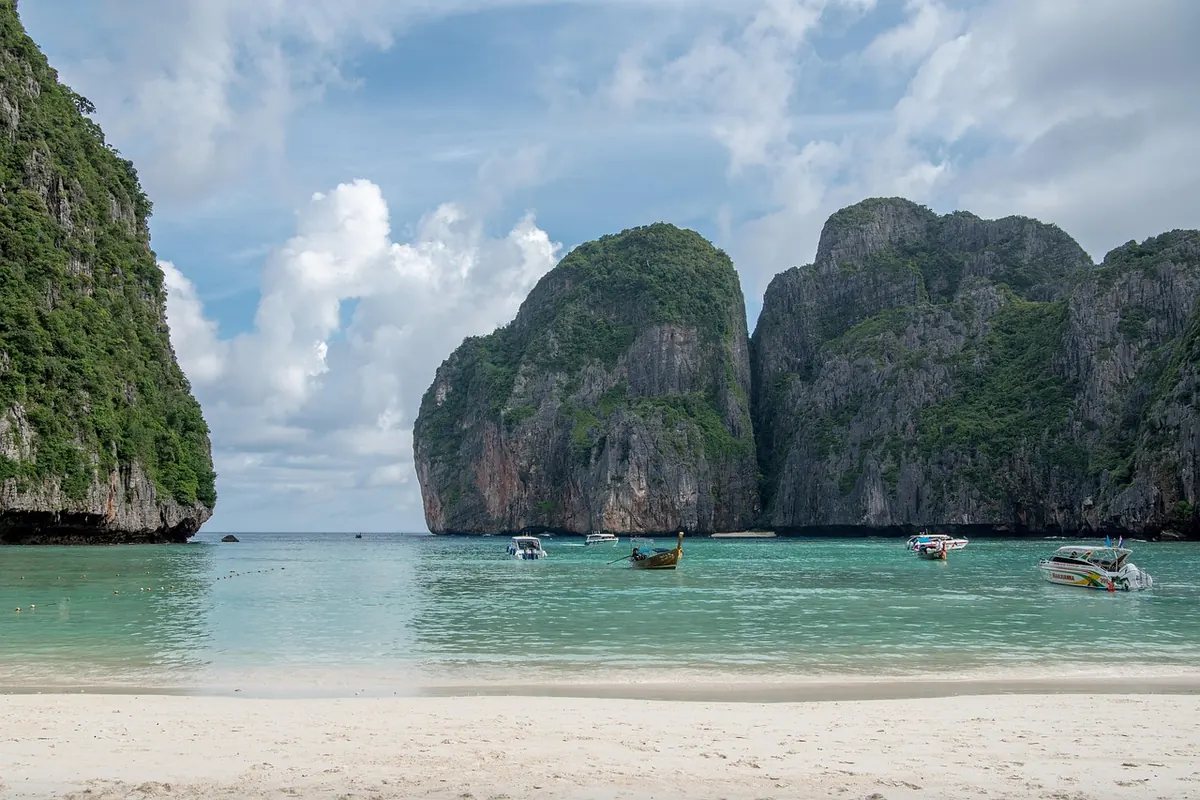
About an hour by speedboat from Phuket, the Phi Phi Islands have turquoise lagoons, sheer cliffs and white beaches. Maya Bay, made famous by the film The Beach, reopened after a long closure to let its coral recover, with strict rules: swimming is not allowed in the bay and visits are timed. Go early on a private or small-group speedboat to avoid the crowds, and choose operators that follow the national park rules.
Turquoise water, steep cliffs and white beaches – go early to beat the crowds.
5. Old Phuket Town
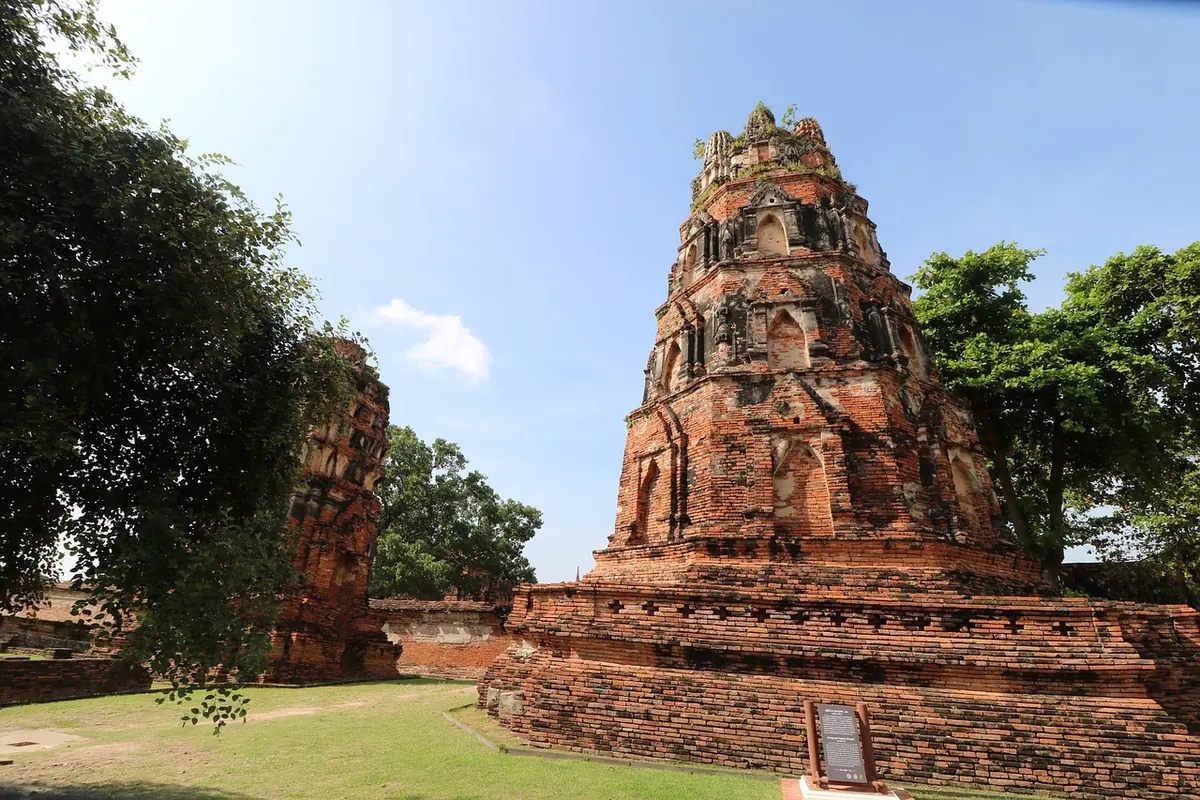
Phuket Town's old quarter is a world away from the beaches: streets of colourful Sino-Portuguese shophouses built by tin barons, Chinese shrines, cafés, galleries and street food. On Sunday evenings, Thalang Road becomes a walking street market with food stalls, crafts and live music. Try local dishes such as mee hokkien (noodles) and moo hong (braised pork belly).
Colourful Sino-Portuguese shophouses, cafés and the Sunday walking street market.
6. The Big Buddha
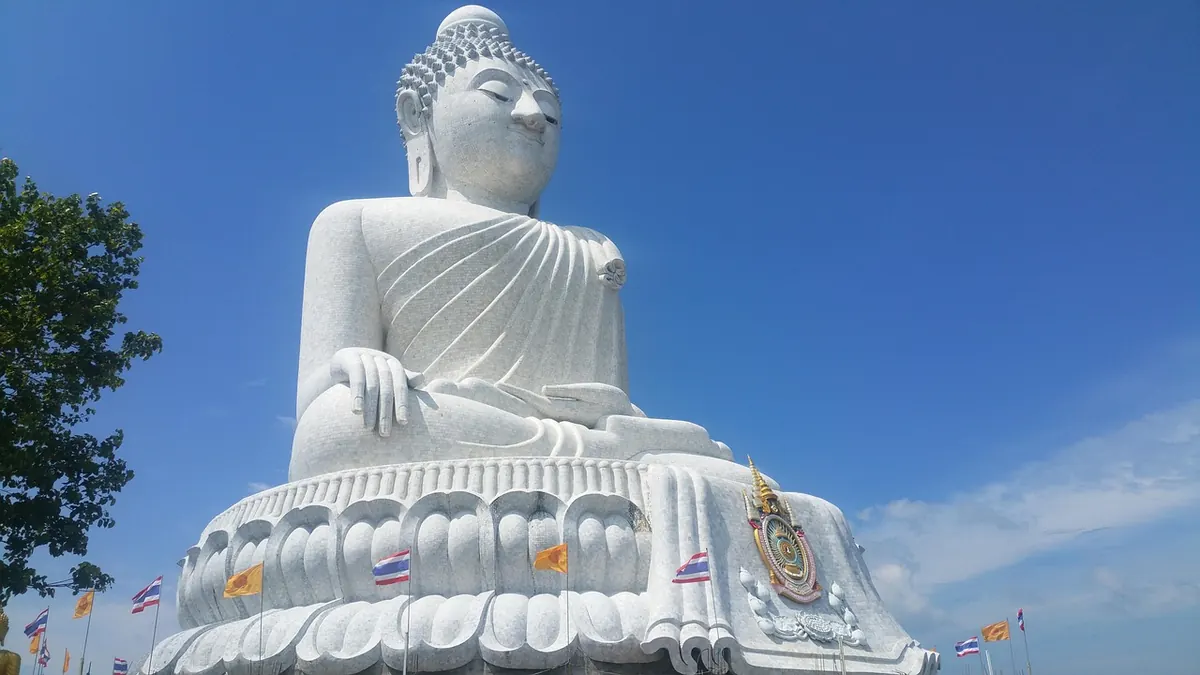
A 45-metre white marble statue sits on a hilltop between Chalong and Kata, with sweeping views over the island and the bays. Dress modestly – shoulders and knees covered – and remove shoes where required. Nearby, Wat Chalong is the island's most important temple.
The huge white marble statue sits on the hilltop, with views over the island and the sea.
7. Thai food and cooking classes
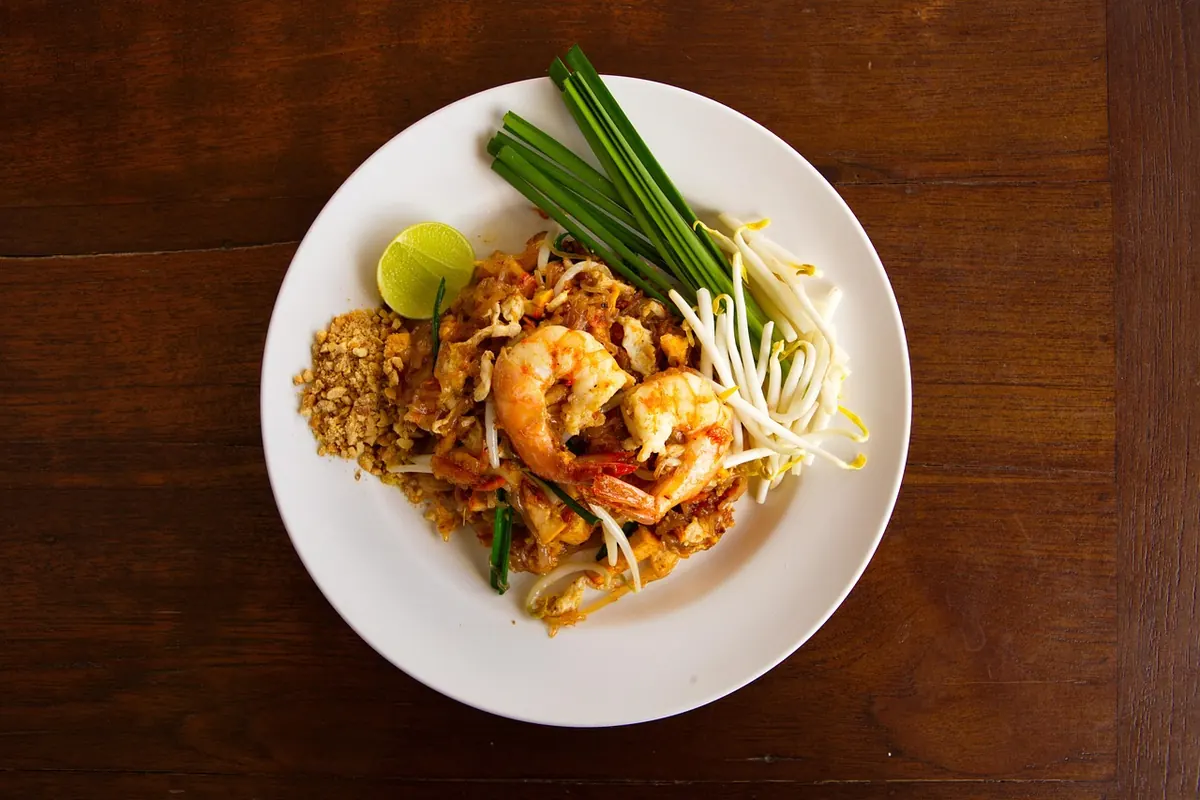
Southern Thai food is known for its rich, spicy curries, fresh seafood and herbs. Try massaman and yellow curries, tom yum soup, fresh crab and grilled fish, and mango sticky rice. A cooking class – often with a morning market visit – is one of the best ways to understand Thai flavours and makes a great souvenir.
Pounding chilli, lemongrass and garlic in a mortar – the smells are incredible.
8. Spa and wellness
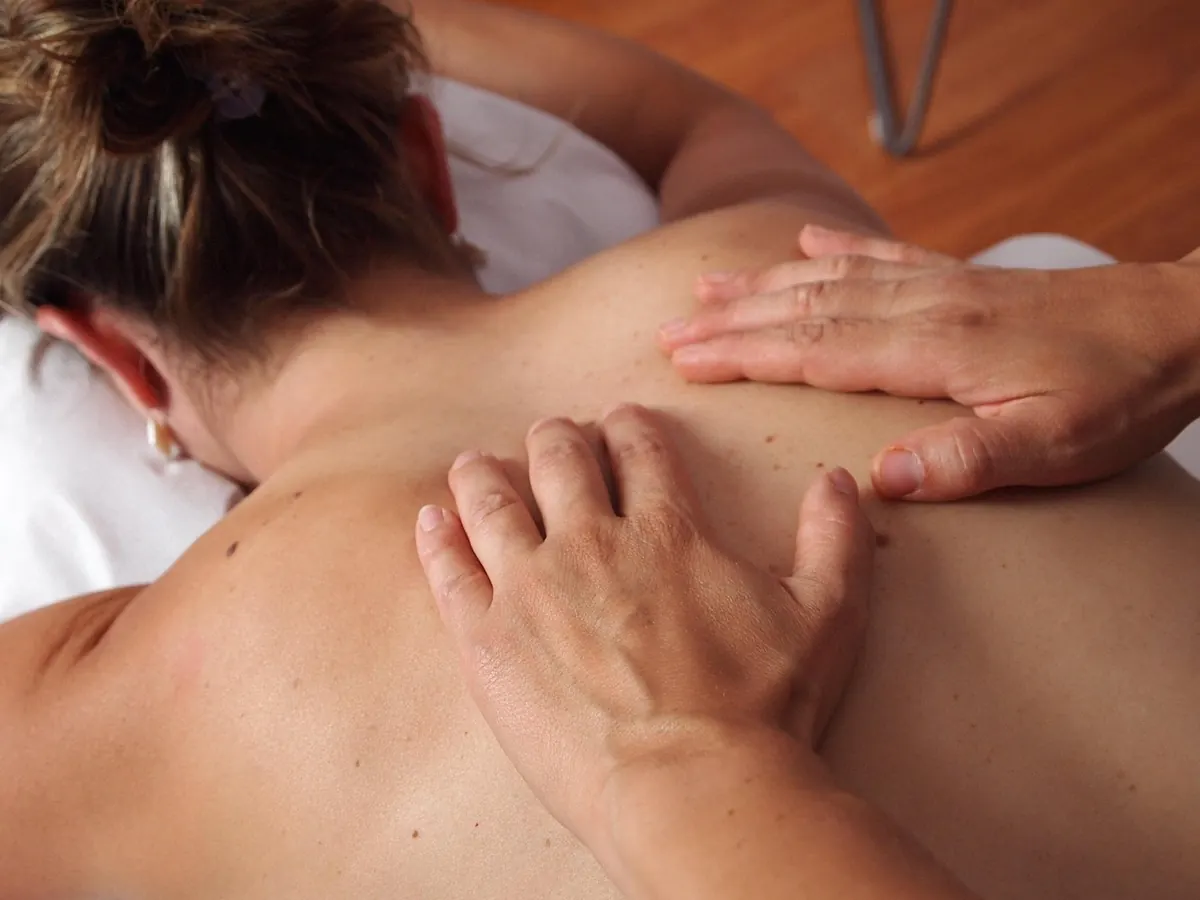
Phuket's resorts are known for their spas, and a traditional Thai massage – firm, stretching and deeply relaxing – is a must. Many resorts offer yoga, meditation, detox programmes and Muay Thai training. Independent spas in town are cheaper, but choose well-reviewed places.
A Thai massage in an open pavilion, the sound of the sea and the scent of lemongrass oil.
Choosing a luxury resort
Look for private pool villas, a quiet beach, good dining options and a location suited to how much you want to explore. Resorts in the north-west (Layan, Bang Tao, Surin) are peaceful and close to the airport; the south (Nai Harn, Kata) is closer to viewpoints and the boat piers for island trips.
Book an airport transfer in advance: Phuket's distances are longer than they look on a map, and traffic can be slow, especially around Patong and Phuket Town. Many luxury resorts offer their own transfers.
When to visit
- November to April: the dry season, with calm seas and sunny days – peak season, with the highest prices around Christmas and New Year.
- May to October: the green season, with short, heavy showers, rougher seas on the west coast and lower prices. Some boat trips may be cancelled in bad weather.
Getting around
Phuket International Airport is in the north of the island, about 30–60 minutes from most west coast resorts. Taxis, ride-hailing apps and private drivers are the easiest ways to get around; tuk-tuks are fun but often expensive. Boats for island trips leave from piers such as Chalong and Rassada.
Compare with our guide to the Maldives for families.
Frequently asked questions
When is the best time to visit Phuket?
November to April, during the dry season, when the sea is calm. May to October brings monsoon rain and rougher seas on the west coast.
Which part of Phuket is best for luxury?
The west coast north of Patong – Kamala, Surin, Bang Tao and Layan – and the quieter south around Nai Harn have many high-end resorts.
Is Phuket better than the Maldives?
Phuket offers more variety – culture, food, nightlife and island trips – often at lower prices. The Maldives is better for complete seclusion and over-water villas.
Is Phuket good for families?
Yes. Kata, Karon and the north-west resorts have family-friendly hotels, kids' clubs and calmer beaches in the dry season, and activities from island trips to elephant sanctuaries (choose ethical ones that don't offer riding).
Keep reading
The Maldives with Kids: A Family Holiday Guide
Kids' clubs, house reefs, family villas and seaplane transfers – how to plan a Maldives holiday with children, from choosing a resort to the best activities.
All-Inclusive Holidays: What's Really Included and How to Avoid Hidden Costs
Drinks, à la carte restaurants, room service and excursions – what all-inclusive really covers, the extras that catch people out and how to compare packages.

Best eSIM for Travel: 7 Providers Compared and How to Choose
Airalo, Saily, Holafly, Ubigi and more compared: data packs vs unlimited, hotspot rules, phone numbers and which travel eSIM suits your trip.
England's Blue Flag Beaches: What the Award Means and the Best to Visit
Which English beaches won Blue Flags for 2026 – Bournemouth and Poole, Cornwall, Kent, Norfolk – what the award means and the best beaches to visit.