An Island Escape in the Seychelles: Mahé, Praslin, La Digue and Beyond
Plan an island escape in the Seychelles: Mahé, Praslin's Vallée de Mai, La Digue's Anse Source d'Argent, island hopping, the best time to go and where to stay.

Some links in this guide are partner links: if you buy through them we may earn a small commission, at no extra cost to you. It never affects what we recommend. How we make money
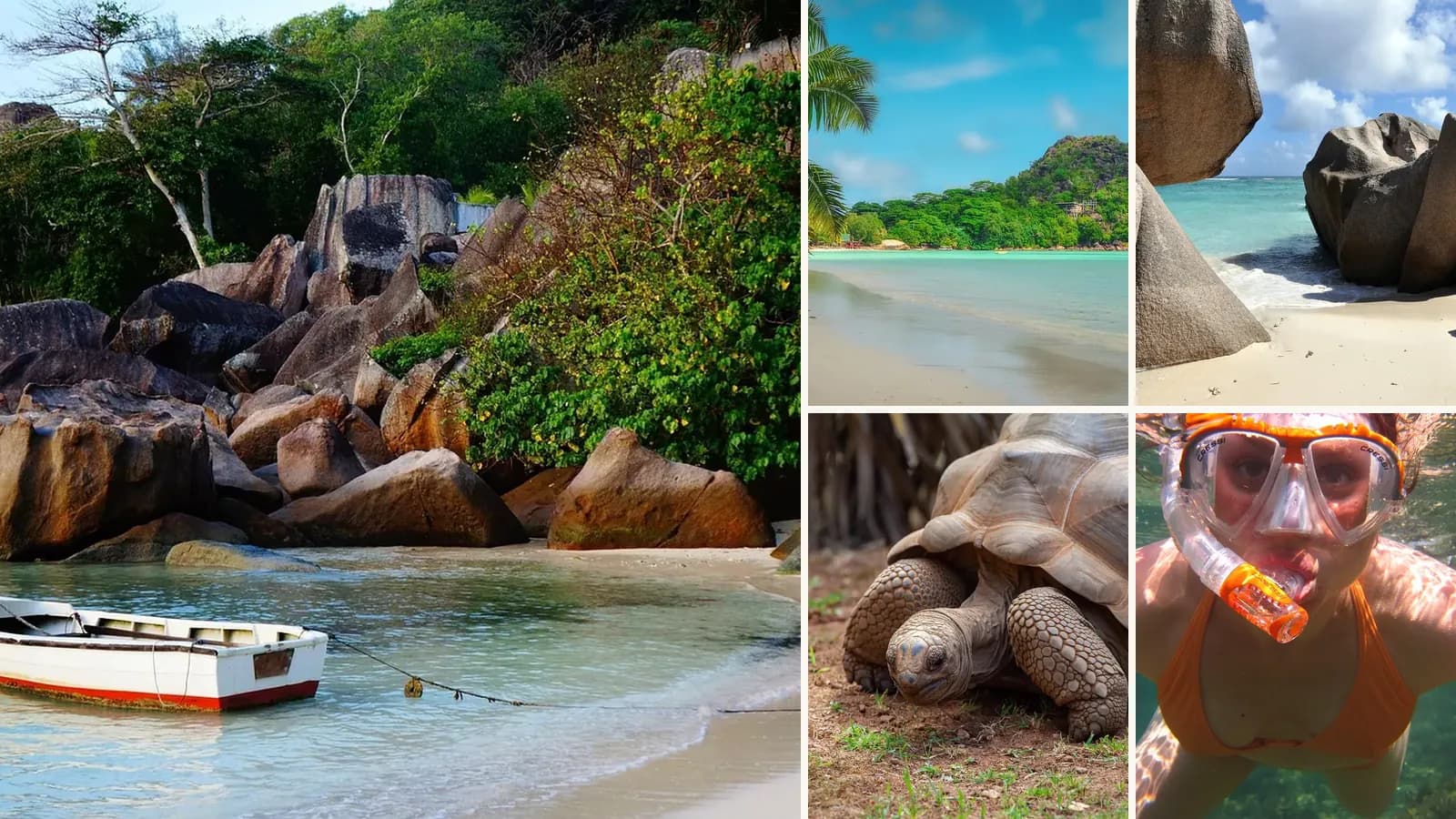
Granite boulders sculpted by the sea, powder-white beaches, turquoise water and jungle-covered mountains: the Seychelles in the Indian Ocean is one of the most beautiful island groups in the world. Unlike many beach destinations, it rewards exploring – hiking, cycling and island hopping as well as lazing on the sand. Here's how to plan your island escape.
The Seychelles at a glance
- Where: 115 islands in the Indian Ocean, north-east of Madagascar.
- Main islands: Mahé, Praslin and La Digue.
- Best time: April–May and October–November.
- How long: 10–14 days to combine three islands without rushing.
- Best for: couples, honeymooners, nature lovers and families who like the outdoors.
The main islands
1. Mahé
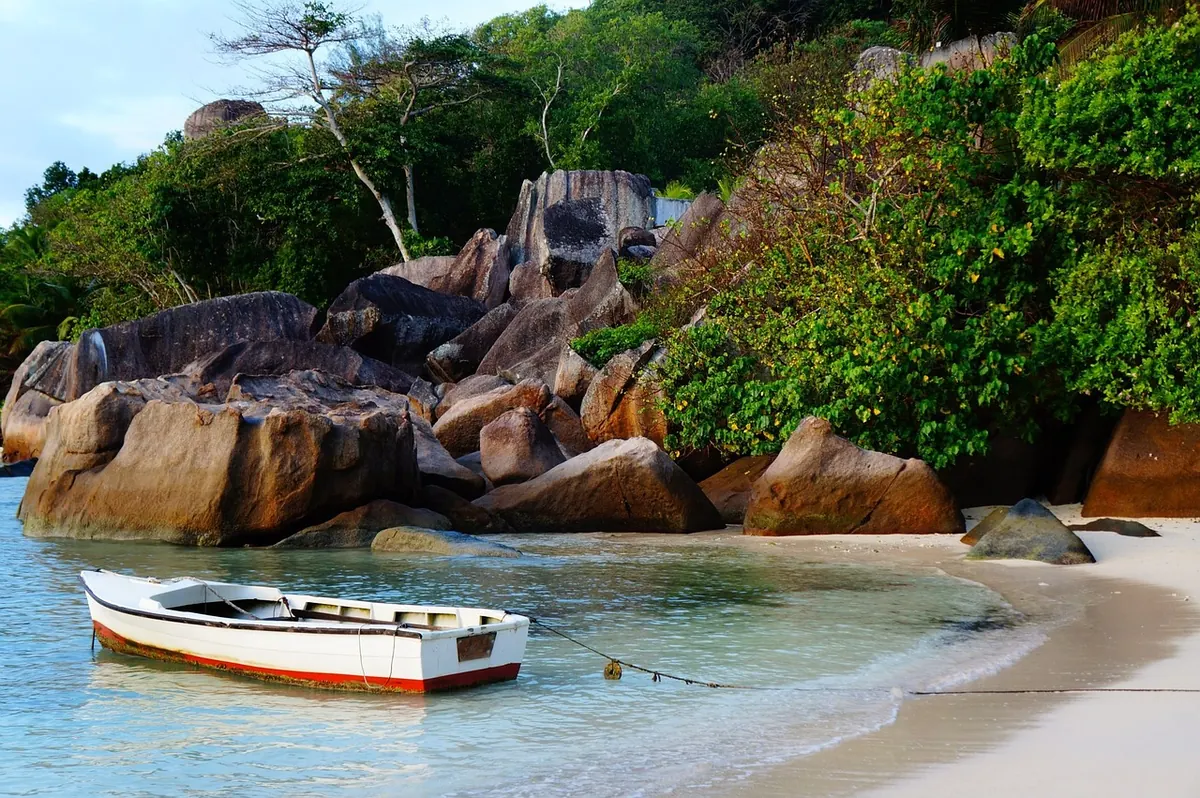
The largest island is home to the international airport and the small capital, Victoria, with its colourful Sir Selwyn Selwyn-Clarke market. Hike in Morne Seychellois National Park for views over the coast, and relax on beaches such as Anse Intendance, Anse Takamaka and Beau Vallon, the liveliest beach.
Green mountains rise behind white beaches like Beau Vallon, and in Victoria, the tiny capital, the market is full of fish, spices and tropical fruit.
2. Praslin
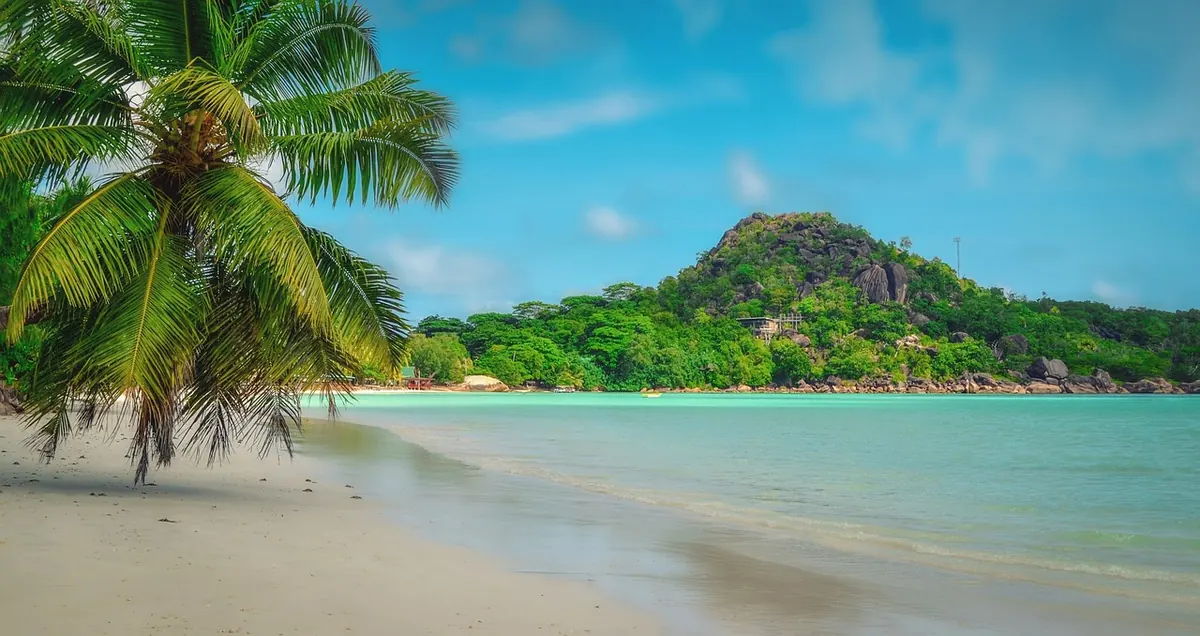
Praslin's highlight is the Vallée de Mai, a UNESCO-listed palm forest where the famous coco de mer – the world's heaviest seed – grows, and where you might spot the rare black parrot. Anse Lazio and Anse Georgette are among the most beautiful beaches anywhere.
In the Vallée de Mai, the giant leaves of the coco de mer palms rustle overhead, the air is damp and green and you might hear the call of the rare black parrot. Anse Lazio's granite boulders and turquoise water are pure postcard.
3. La Digue
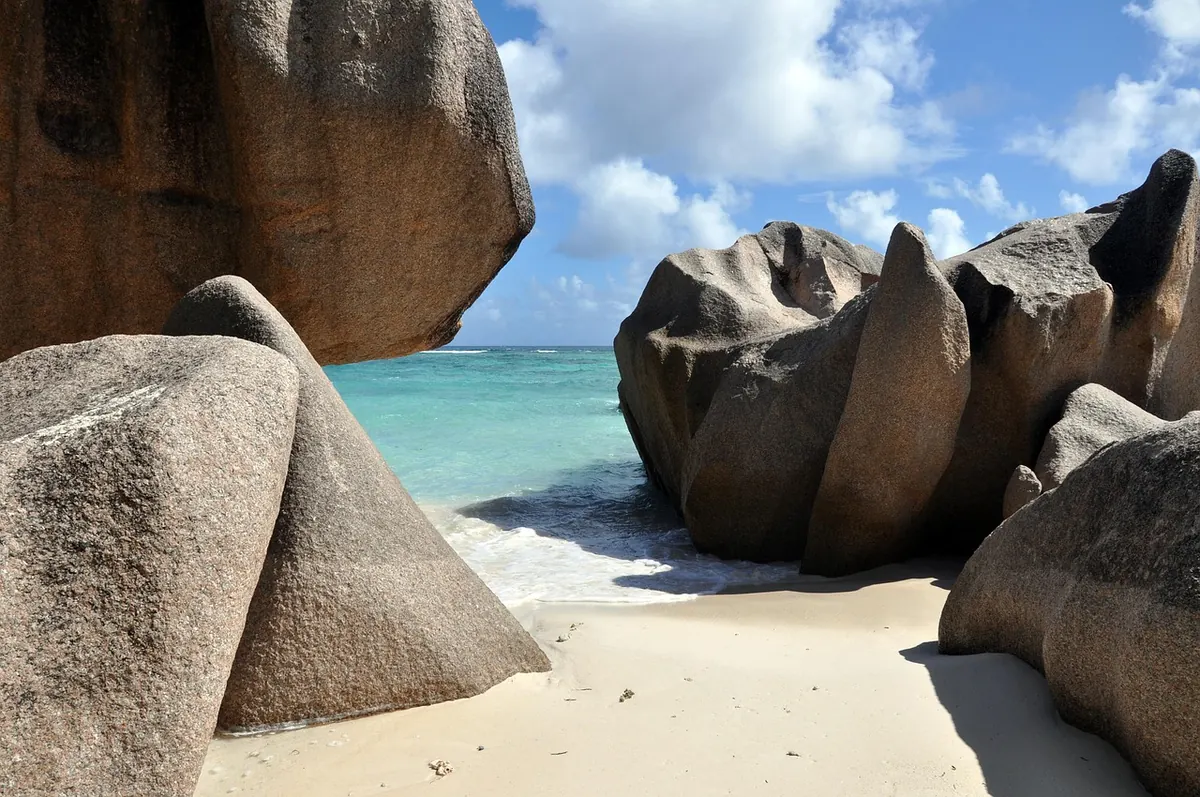
Small, slow and car-light, La Digue is best explored by bicycle. Anse Source d'Argent, with its pink-granite boulders, is one of the most photographed beaches in the world (entry is through L'Union Estate). Wilder beaches such as Grand Anse and Anse Cocos are a walk away.
Bicycles and ox carts on sandy roads, and at Anse Source d'Argent, pink granite boulders rise from shallow, crystal-clear water – arrive early or late to beat the crowds, and check the tide.
Other islands
4. Curieuse and the outer islands
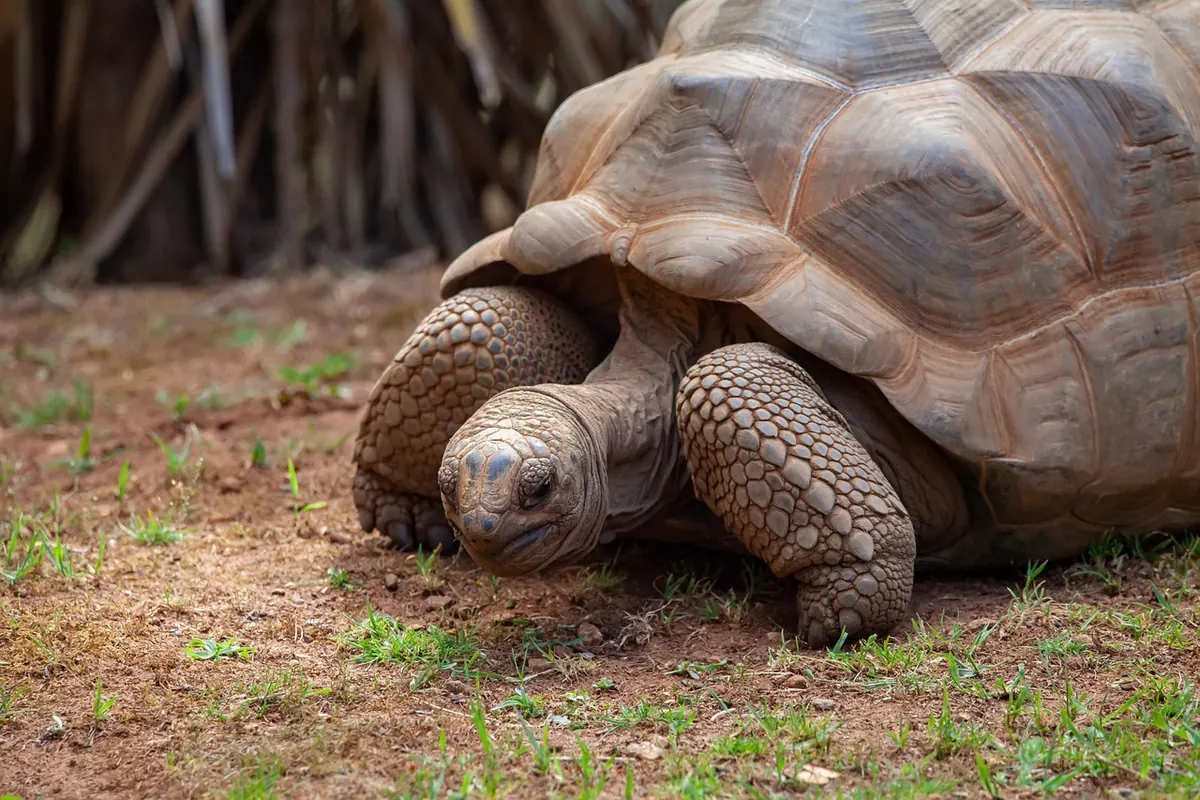
Boat trips from Praslin visit Curieuse, home to giant Aldabra tortoises and mangroves. Further out, private island resorts and the remote Aldabra Atoll, a UNESCO site with the world's largest population of giant tortoises, offer true isolation.
Giant tortoises wander among the trees and beaches, and the mangrove boardwalk winds through the forest.
Things to do
5. Snorkelling and diving
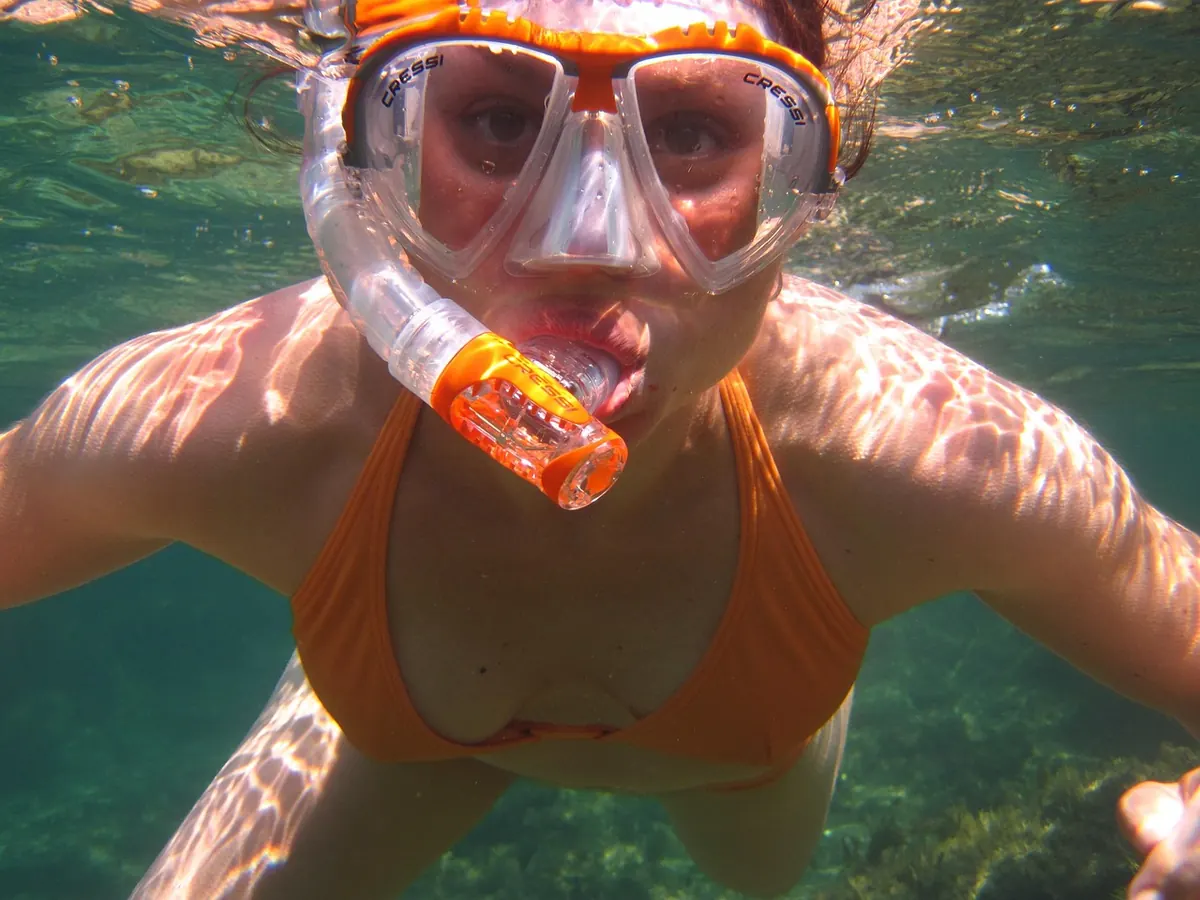
Snorkel at Ste Anne Marine National Park off Mahé, around Curieuse and St Pierre islet near Praslin. Whale sharks pass Mahé in some seasons, and the outer islands offer excellent diving.
Turtles, rays and reef sharks glide over coral and granite boulders in water so clear you can see every detail.
6. Creole food
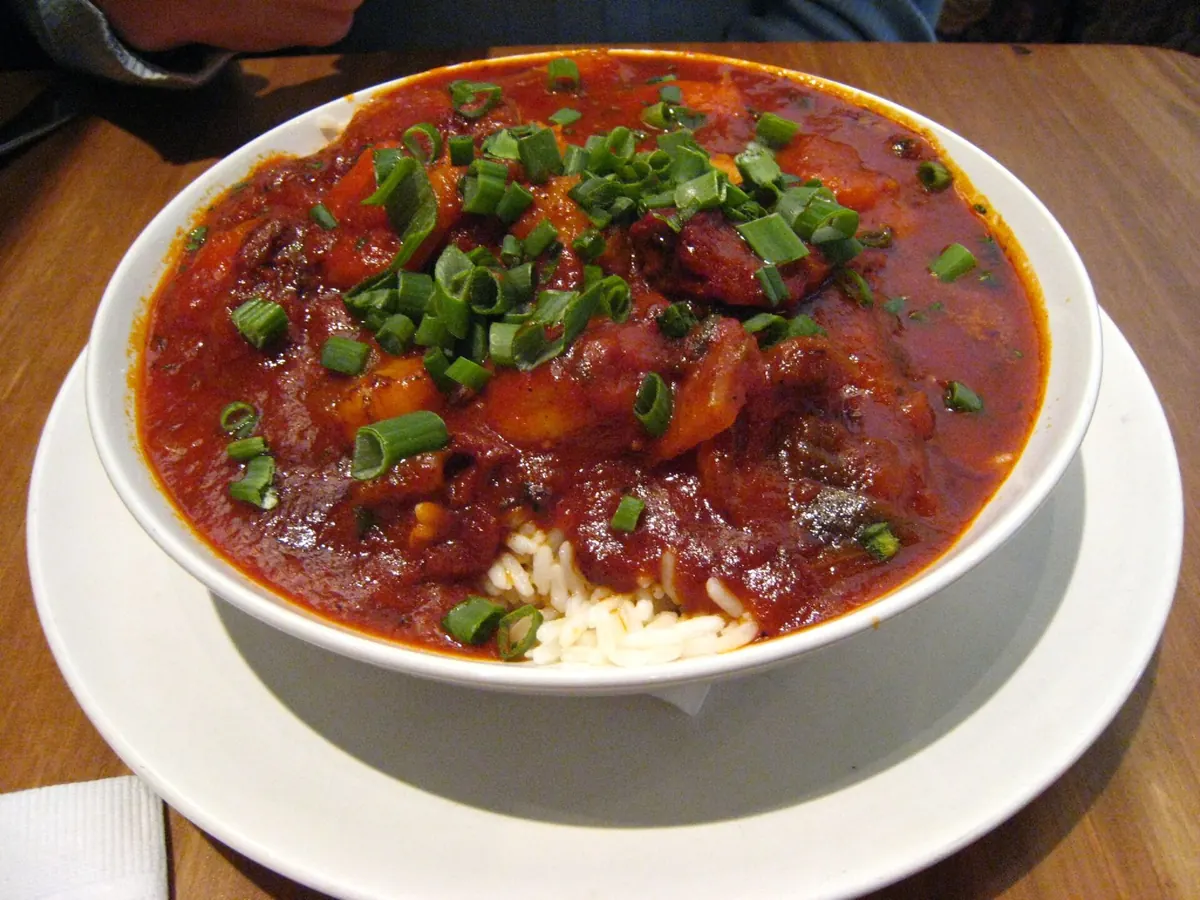
Seychellois cuisine mixes African, French, Indian and Chinese influences: grilled fish, octopus curry, breadfruit, and ladob, a dessert of plantain or breadfruit cooked in coconut milk. Try a local takeaway for good-value lunches.
Spicy fish curries with coconut, grilled octopus, breadfruit chips and fresh tropical fruit – Creole cooking is colourful and fragrant.
Island hopping
7. Ferries and flights
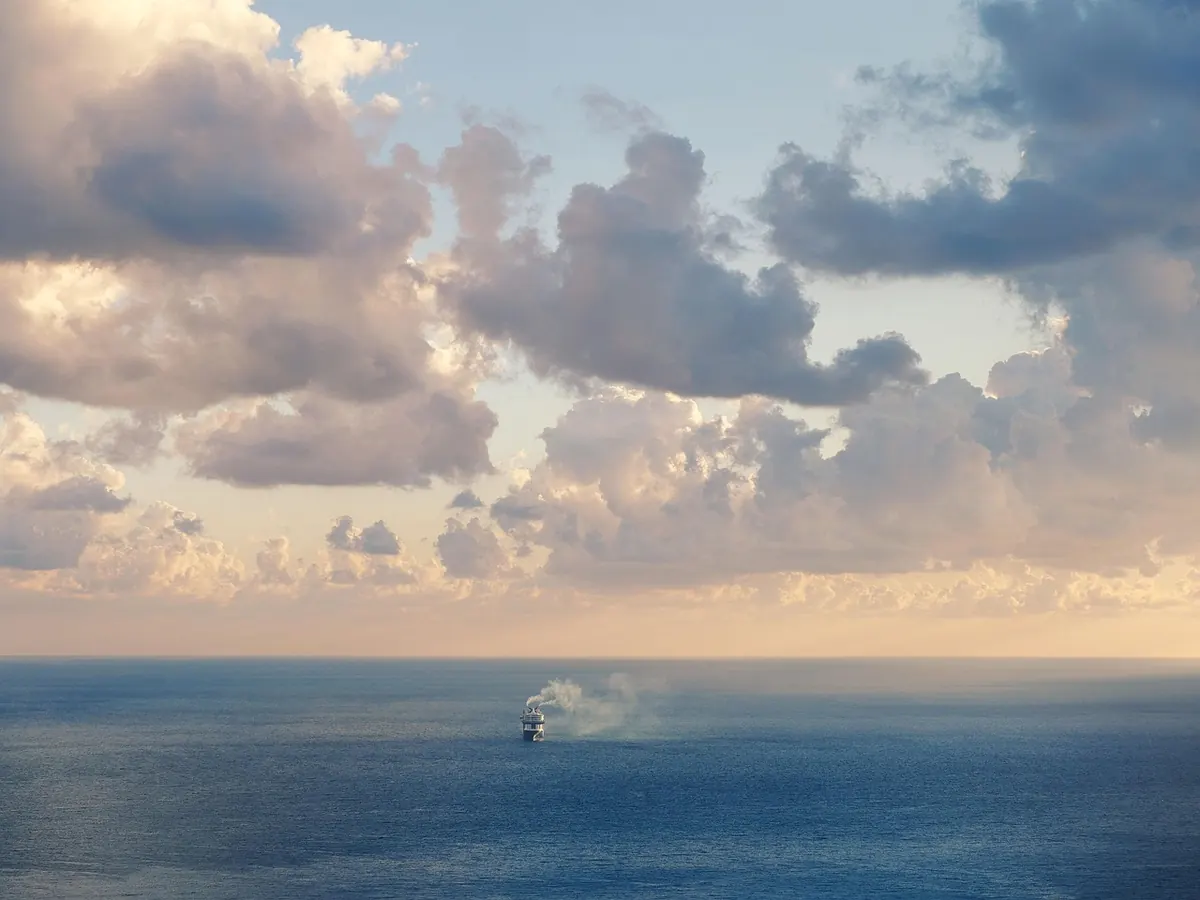
Fast ferries connect Mahé with Praslin (about an hour) and Praslin with La Digue (about 15 minutes). Domestic flights link Mahé with Praslin and the outer islands. Book ferries ahead in peak season and allow for weather.
Where to stay
8. From luxury to guesthouses
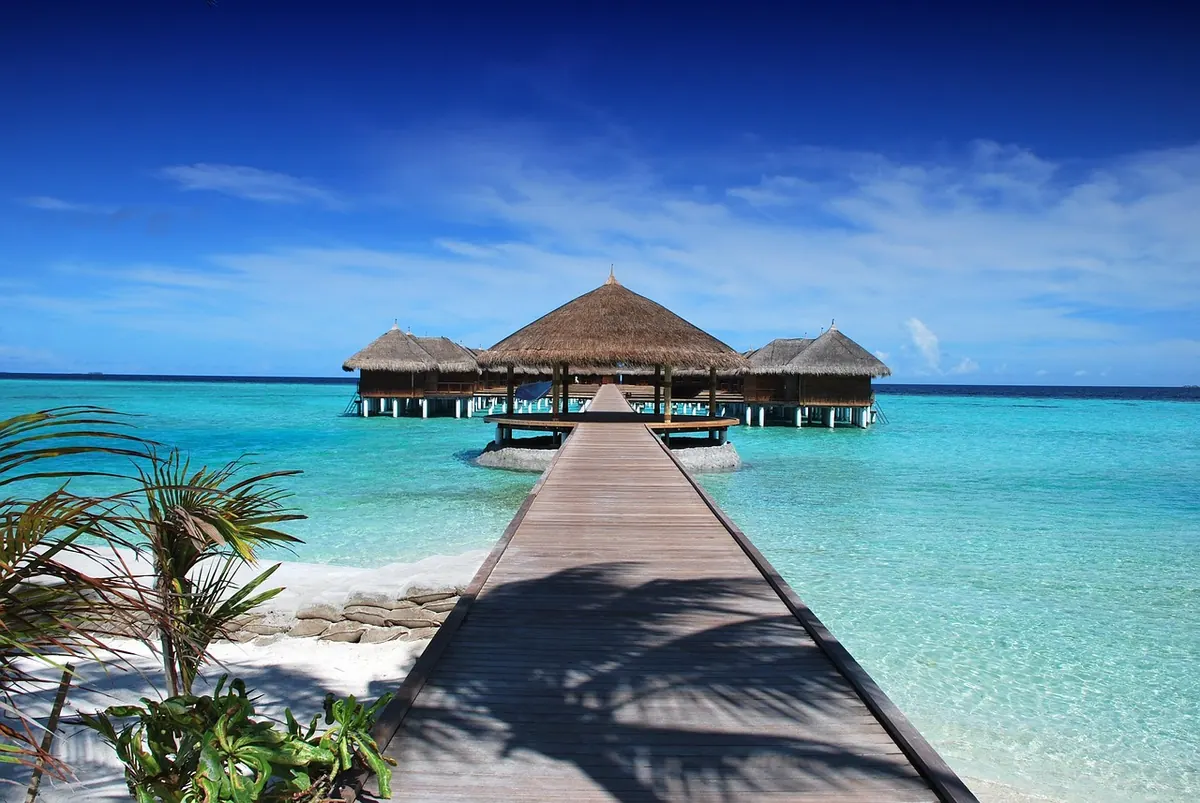
The Seychelles has some of the world's most exclusive private island resorts, but also family-run guesthouses and self-catering villas – the best way to keep costs down. Stay on Mahé for convenience, Praslin for beaches, La Digue for a slow pace.
Practical tips
- Money: the Seychelles rupee; cards are widely accepted in hotels.
- Seaweed: some beaches get seaweed during the south-east trade winds (May–September); choose the sheltered side of the island.
- Sun and sea: strong currents can occur – swim where locals swim and follow warnings.
- Comparing islands? See our guide to the Maldives for families and Africa's best beaches.
Frequently asked questions
Which Seychelles island is best?
For a first visit, combine Mahé (mountains and the most hotels), Praslin (the Vallée de Mai and Anse Lazio) and La Digue (bicycles and Anse Source d'Argent).
When is the best time to visit the Seychelles?
April–May and October–November, the calm periods between the monsoons, offer the best combination of weather, calm seas and good visibility for snorkelling.
How do you travel between the Seychelles islands?
Fast ferries link Mahé, Praslin and La Digue, and short domestic flights connect Mahé with Praslin and the outer islands.
Seychelles or Maldives?
The Maldives is about overwater villas and diving; the Seychelles has granite islands, mountains, forests and more to explore on land.
Keep reading
The Maldives with Kids: A Family Holiday Guide
Kids' clubs, house reefs, family villas and seaplane transfers – how to plan a Maldives holiday with children, from choosing a resort to the best activities.
The 10 Best Beaches in Africa for Snorkeling, Surfing and Remote Relaxation
From Mafia Island and Bazaruto to Príncipe, the Bijagós and the Red Sea coast – Africa's best beaches for snorkeling, surfing and getting away from it all.
Dominica Travel Guide: Pirates of the Caribbean Locations, Waterfalls and Whales
Follow Captain Jack Sparrow around Dominica, the Caribbean's Nature Island: the Indian River, Titou Gorge, Boiling Lake, Champagne Reef and sperm whales.
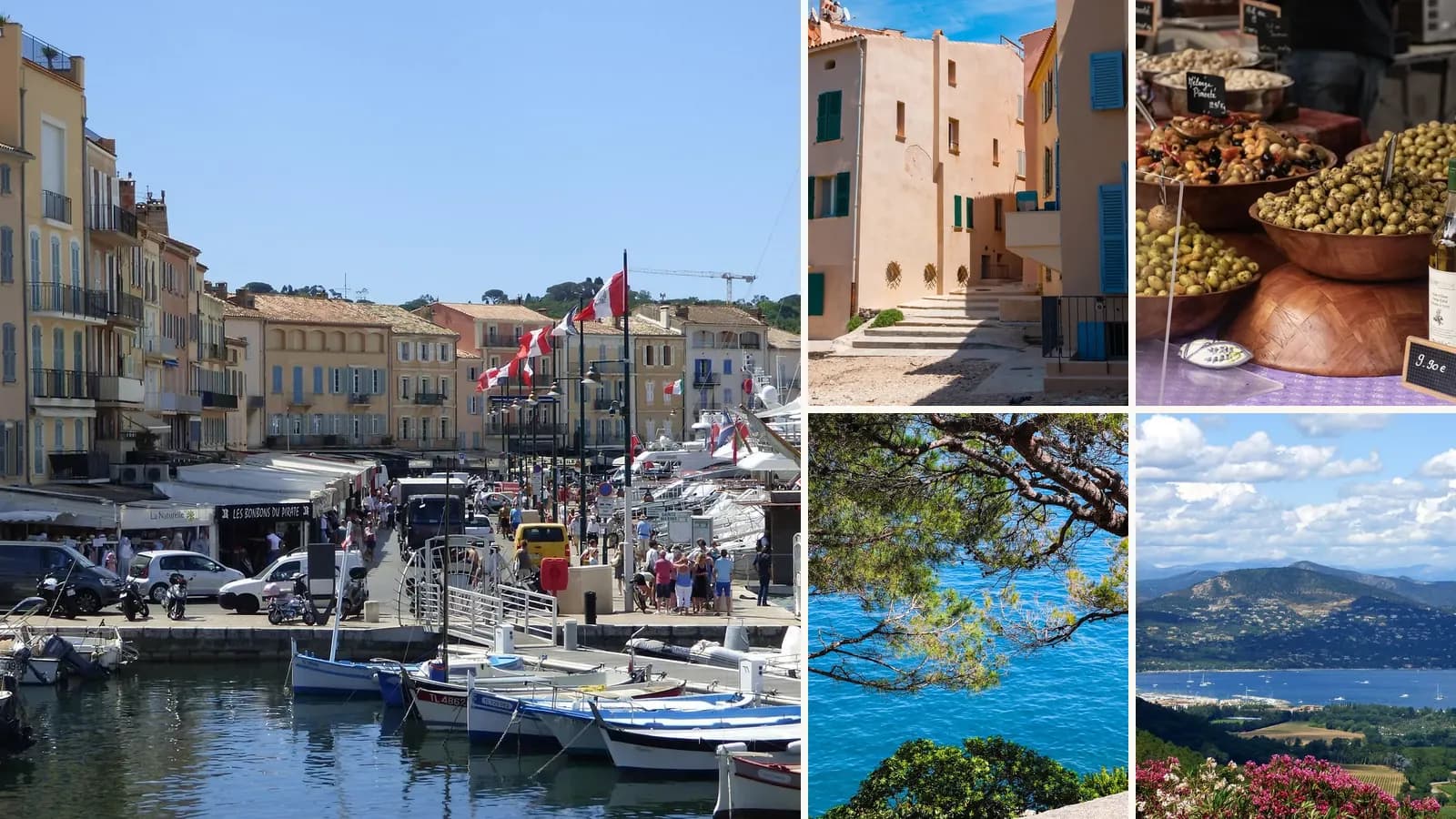
St-Tropez: The Playground of the Rich and Famous – and a Delightful Holiday Spot
St-Tropez beyond the yachts: the old port and La Ponche, Pampelonne beach, the market, the coastal path, hilltop villages and tips for a visit on a budget.