Hagia Sophia: A Visitor's Guide to Istanbul's Greatest Monument
How to visit Hagia Sophia in Istanbul: how entry for visitors works, dress code, prayer times, what to see inside and how to combine it with the Blue Mosque and Topkapı.

Some links in this guide are partner links: if you buy through them we may earn a small commission, at no extra cost to you. It never affects what we recommend. How we make money
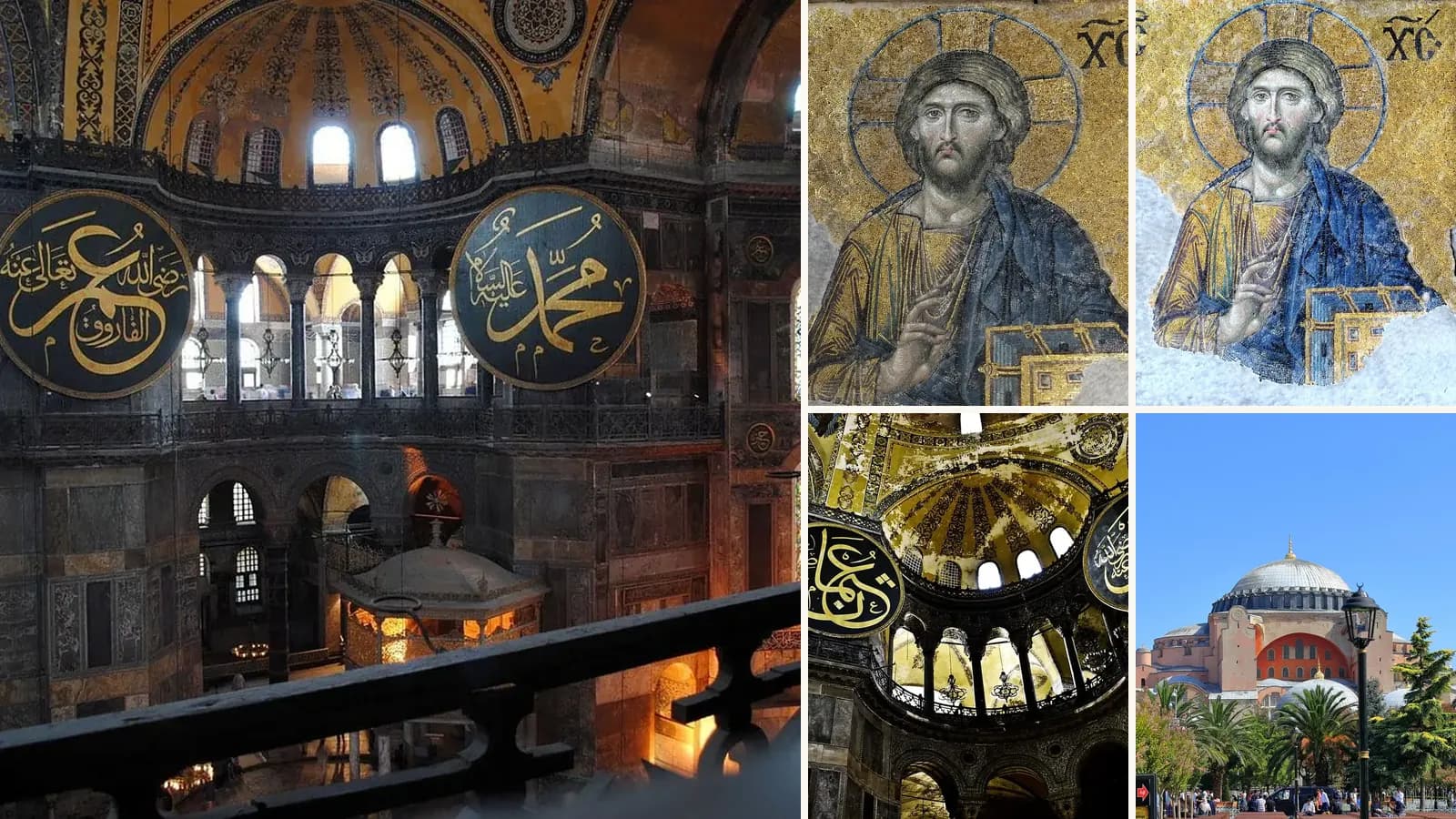
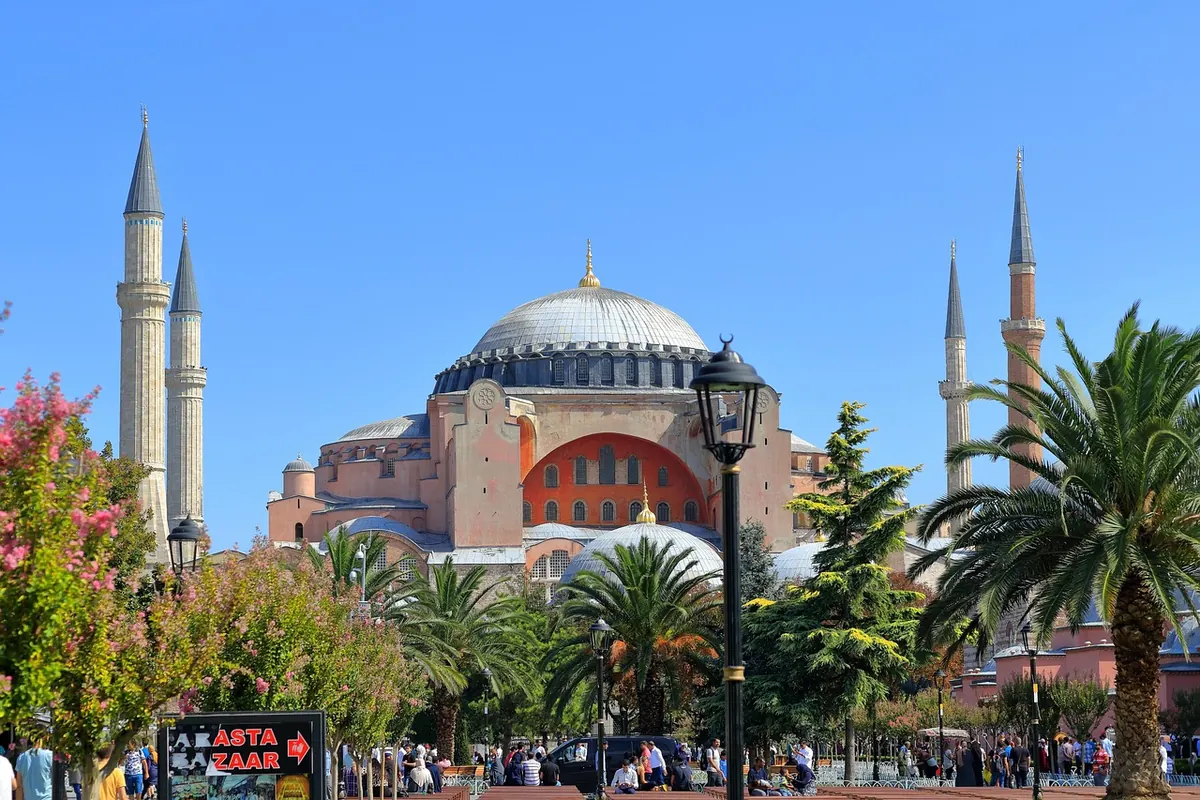
For almost 1,000 years, Hagia Sophia was the largest cathedral in the world. Built by Emperor Justinian in just five years and completed in AD 537, it became a mosque after the Ottoman conquest of Constantinople in 1453, a museum in 1934 and a mosque again in 2020. Its vast floating dome, glittering Byzantine mosaics and giant Islamic calligraphy make it one of the most extraordinary buildings ever made – a place where two great civilisations meet under one roof.
This guide explains how visits work today, what to see inside, the dress code and best times to go, and how to combine Hagia Sophia with the other great sights of Istanbul's old city.
How visits work today
Hagia Sophia is an active mosque. Visitors who are not coming to pray enter through a separate visitor entrance, pay an entrance fee and follow a route through the upper galleries, where the finest mosaics are, with views down into the main prayer hall. Access can be paused during prayer times, especially at Friday midday prayers, and the busiest times are late morning and early afternoon.
Before you enter the galleries, a visitor centre explains the building's history with displays and models. Allow about an hour for the visit, more if you're interested in the mosaics. Check the current opening hours and ticket prices on the official website before you go, as they change.
What to see
1. The great dome
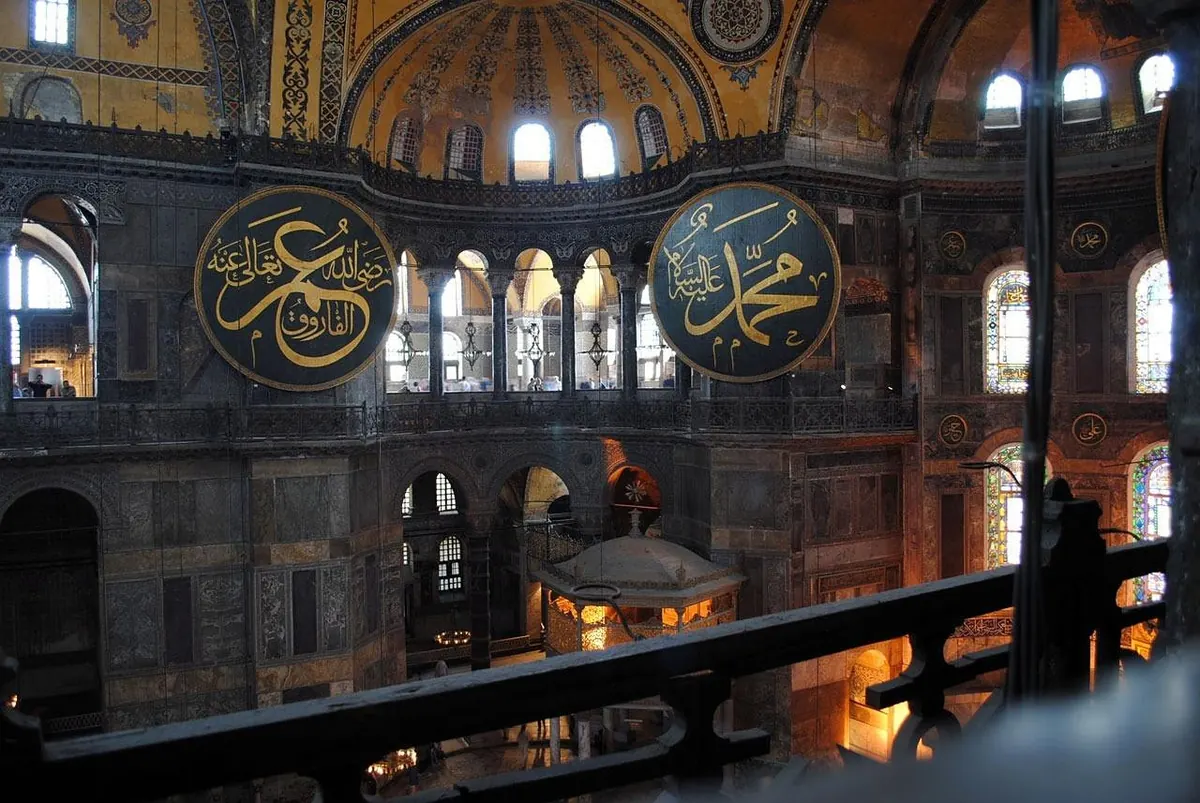
Rising more than 55 metres above the floor and ringed by 40 windows, the dome seems to float on a circle of light – contemporaries described it as hanging from heaven by a golden chain. It was rebuilt after an earthquake in the 6th century and has been reinforced many times since. Its design inspired Ottoman mosque builders for centuries, including the great architect Sinan.
From the gallery, look up and the dome seems to float, ringed by forty windows that let in a halo of light; look down and the carpeted prayer hall stretches away beneath you. The noise of the crowd softens into a murmur and the vast space makes people instinctively lower their voices. Come early in the morning, before the tour groups arrive.
2. The Deësis mosaic
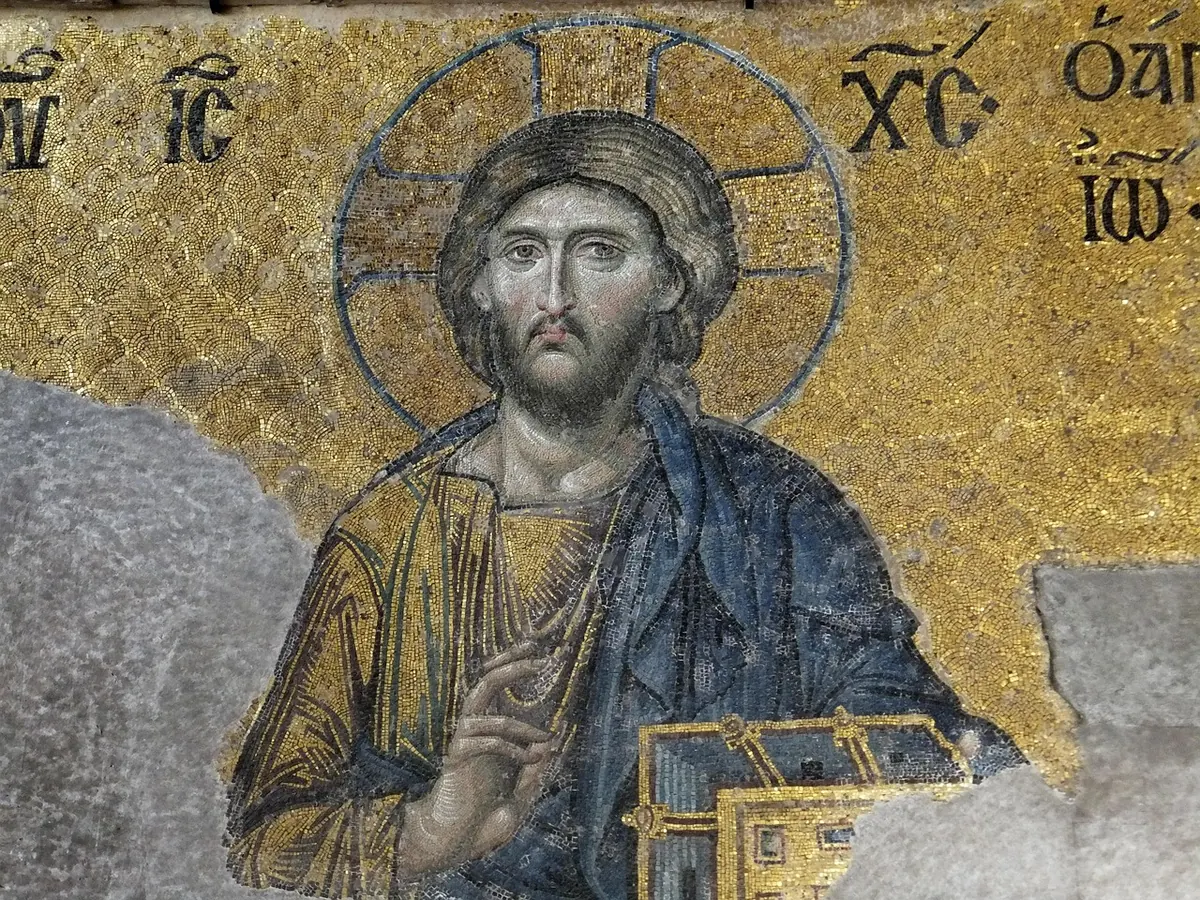
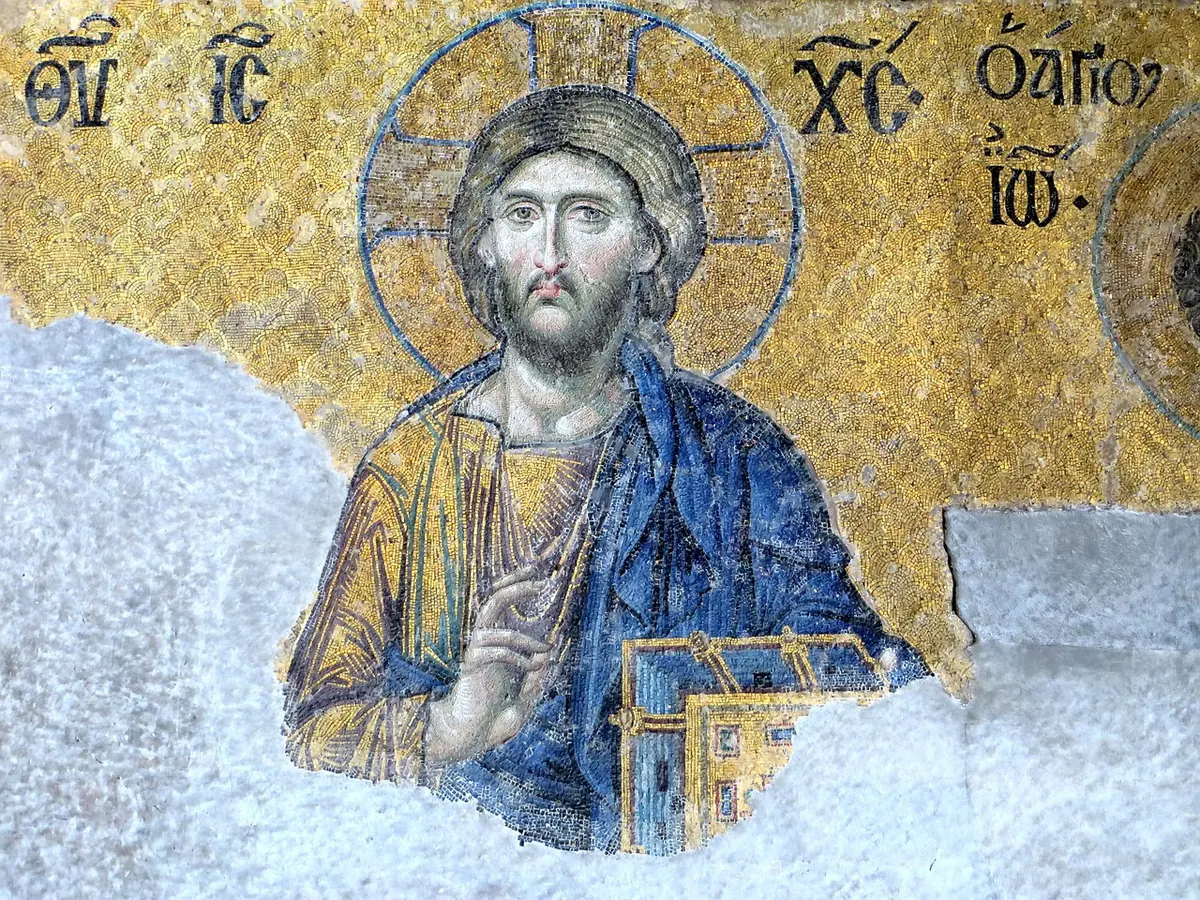
In the south gallery, this 13th-century mosaic of Christ flanked by the Virgin Mary and John the Baptist is one of the masterpieces of Byzantine art. Even though the lower part is lost, the faces are astonishingly expressive and lifelike. Stand back and let your eyes adjust to the light – the gold background glows as the light changes.
In the dim upper gallery, the faces of Christ, Mary and John the Baptist look out from gold tiles with astonishing tenderness – their eyes and expressions so human that people stand silent in front of them.
3. The imperial mosaics
Gold mosaics in the galleries show emperors and empresses – including Constantine IX Monomachos and Empress Zoe, and John II Komnenos with Empress Irene – presenting gifts to Christ and the Virgin. Look closely at the Zoe mosaic: the emperor's face was replaced each time she remarried.
Gold mosaics shimmer as you move, with emperors and empresses offering gifts to Christ and the Virgin. The light changes through the day, so the gold glows differently each time you look.
4. The Islamic calligraphy
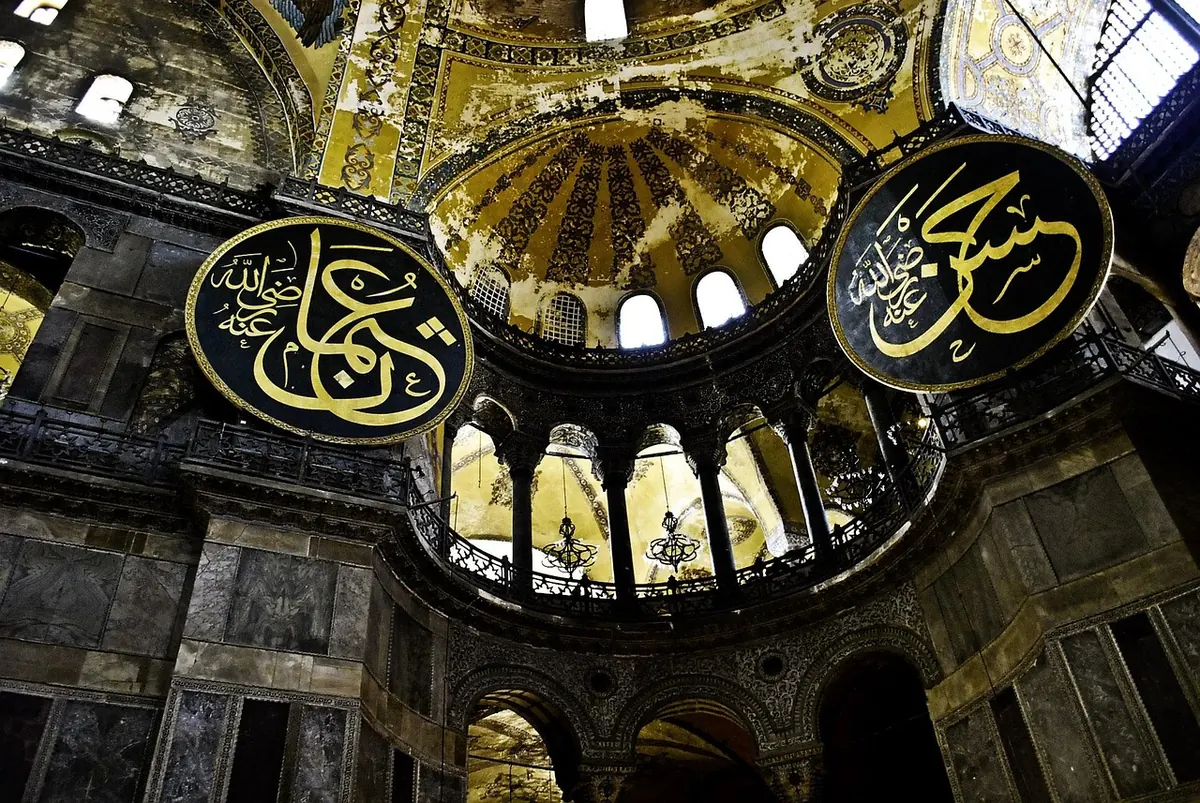
Eight huge roundels, each around 7.5 metres across, bear the names of God, the Prophet Muhammad, the first four caliphs and two grandsons of the Prophet. They were added in the 19th century and are among the largest pieces of calligraphy in the Islamic world. The mihrab and minbar, added after 1453, point towards Mecca, slightly off the building's original axis.
The giant round medallions inscribed with the names of God, the Prophet and the first caliphs hang high in the nave, gold letters on green. They're so large that they dominate the space, a reminder of the building's many lives.
5. The Weeping Column
According to legend, putting your thumb into the hole in this bronze-clad column and turning your hand in a full circle will make a wish come true – or cure illness, as the column is said to be always damp. Its location may be inside the prayer area, so it isn't always accessible to visitors.
For centuries, people have queued to put a thumb into the worn hole in the bronze casing and twist their hand in a full circle, hoping it comes out damp. Polished smooth by countless hands, the bronze is a small, touching sign of how many people have stood here before you – if the visitor route doesn't pass it, ask whether you can see it from the gallery.
Practical tips
- Dress code: cover shoulders and knees; women should cover their hair. Scarves and wraps are usually available at the entrance.
- Shoes: you may be asked to remove them in carpeted areas – wear socks and shoes that slip off easily.
- Timing: go first thing in the morning, and avoid Friday midday prayers. Evenings can also be quieter.
- Respect worshippers: keep your voice down and don't photograph people praying.
- Combine it: the Blue Mosque, the Basilica Cistern and Topkapı Palace are all within a few minutes' walk, and the Grand Bazaar is about 15 minutes away. A full day lets you see them all at a relaxed pace.
- Guides: a licensed guide helps you understand the mosaics, the history and the layers of change inside the building.
Nearby sights
The Blue Mosque (Sultan Ahmed Mosque), facing Hagia Sophia across a garden, is famous for its six minarets and blue İznik tiles. The Basilica Cistern, a vast underground Byzantine water reservoir with hundreds of columns and two Medusa heads, is atmospheric and cool. Topkapı Palace, home of the Ottoman sultans, has treasury rooms, the Harem and terraces overlooking the Bosphorus.
Plan the rest of your stay with our Istanbul travel guide.
Frequently asked questions
Do you have to pay to enter Hagia Sophia?
Since 2024, foreign visitors pay an entrance fee and follow a separate visitor route through the upper galleries, while the main prayer hall is reserved for worshippers. Check the current fee and route on site or on official sources before your visit.
Is Hagia Sophia closed during prayers?
Visitor access can be paused around the five daily prayer times, especially at Friday midday prayers. Plan your visit for the morning or mid-afternoon.
How long do you need at Hagia Sophia?
Allow about an hour, plus time for the queue in busy periods.
Do you have to pay to enter Hagia Sophia?
Visitors who are not coming to pray enter through a separate entrance and pay an entrance fee to visit the upper galleries. Worshippers enter free for prayers.
What should I wear to Hagia Sophia?
Clothing that covers shoulders and knees. Women should cover their hair; scarves are usually available at the entrance.
Keep reading
Istanbul Travel Guide: 15 Best Things to Do
Hagia Sophia, the Blue Mosque, Topkapı Palace, the Grand Bazaar, a Bosphorus ferry and the best neighbourhoods – the best things to do in Istanbul, with practical tips.
15 Most Beautiful Places to Visit in Turkey
Istanbul, Cappadocia's balloons, Pamukkale's terraces, Ephesus, the Turquoise Coast and Mount Nemrut – the most beautiful places to visit in Turkey, with tips.
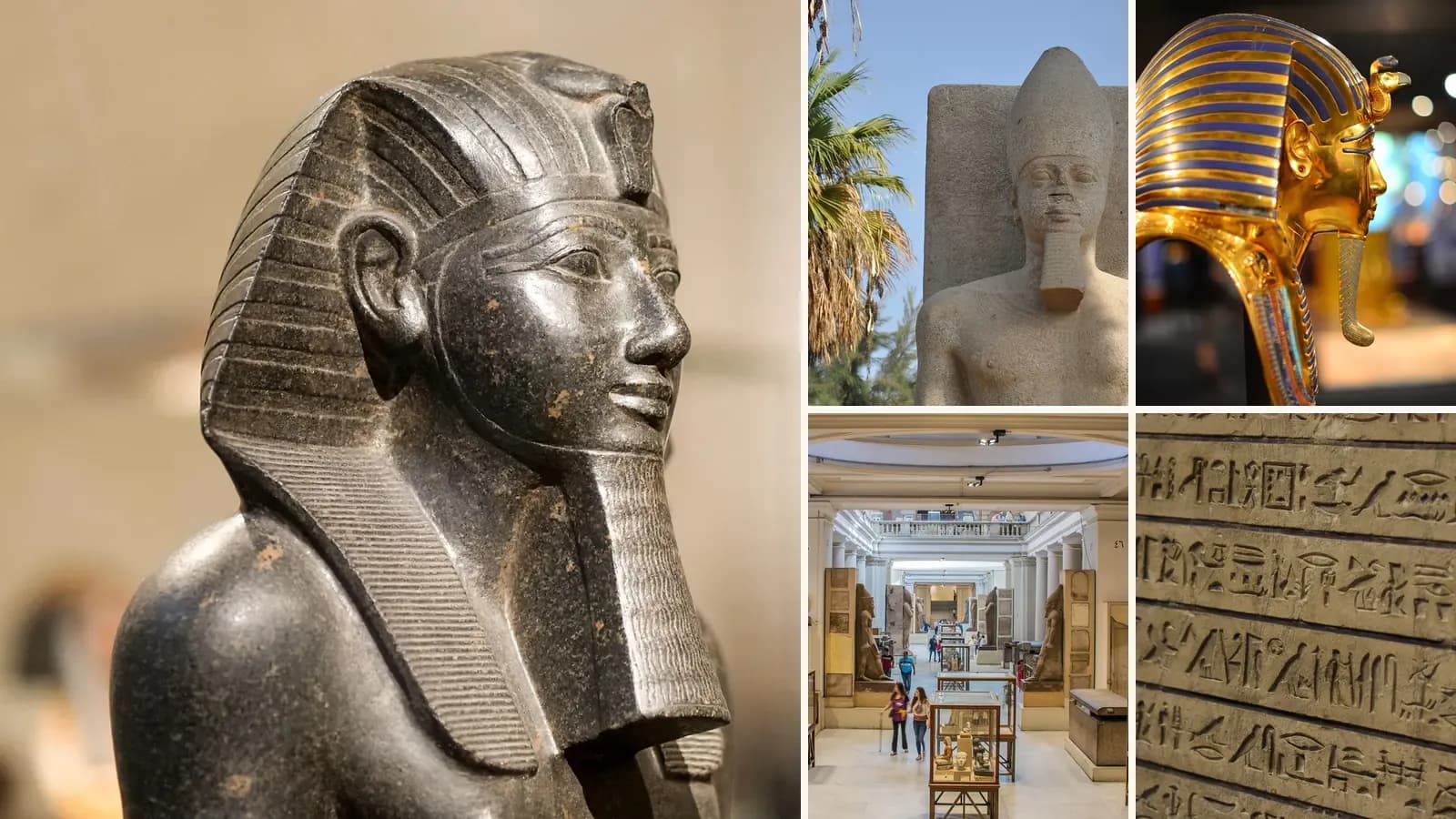
Grand Egyptian Museum: A Complete Visitor's Guide
How to visit the Grand Egyptian Museum near the Pyramids: tickets, how long to stay, Tutankhamun's treasures, Khufu's boat and how to combine it with Giza.

Theodore Roosevelt National Park: A Guide to North Dakota's Hidden Gem
Plan a visit to Theodore Roosevelt National Park in North Dakota's badlands: the South and North Units, bison and wild horses, the best hikes and drives, and Medora.