Carcassonne Travel Guide: The Medieval Cité, Cassoulet and Where to Stay
Walk the ramparts of the medieval Cité, visit the castle, eat cassoulet and explore the Canal du Midi – a guide to Carcassonne in south-west France on a sensible budget.

Some links in this guide are partner links: if you buy through them we may earn a small commission, at no extra cost to you. It never affects what we recommend. How we make money
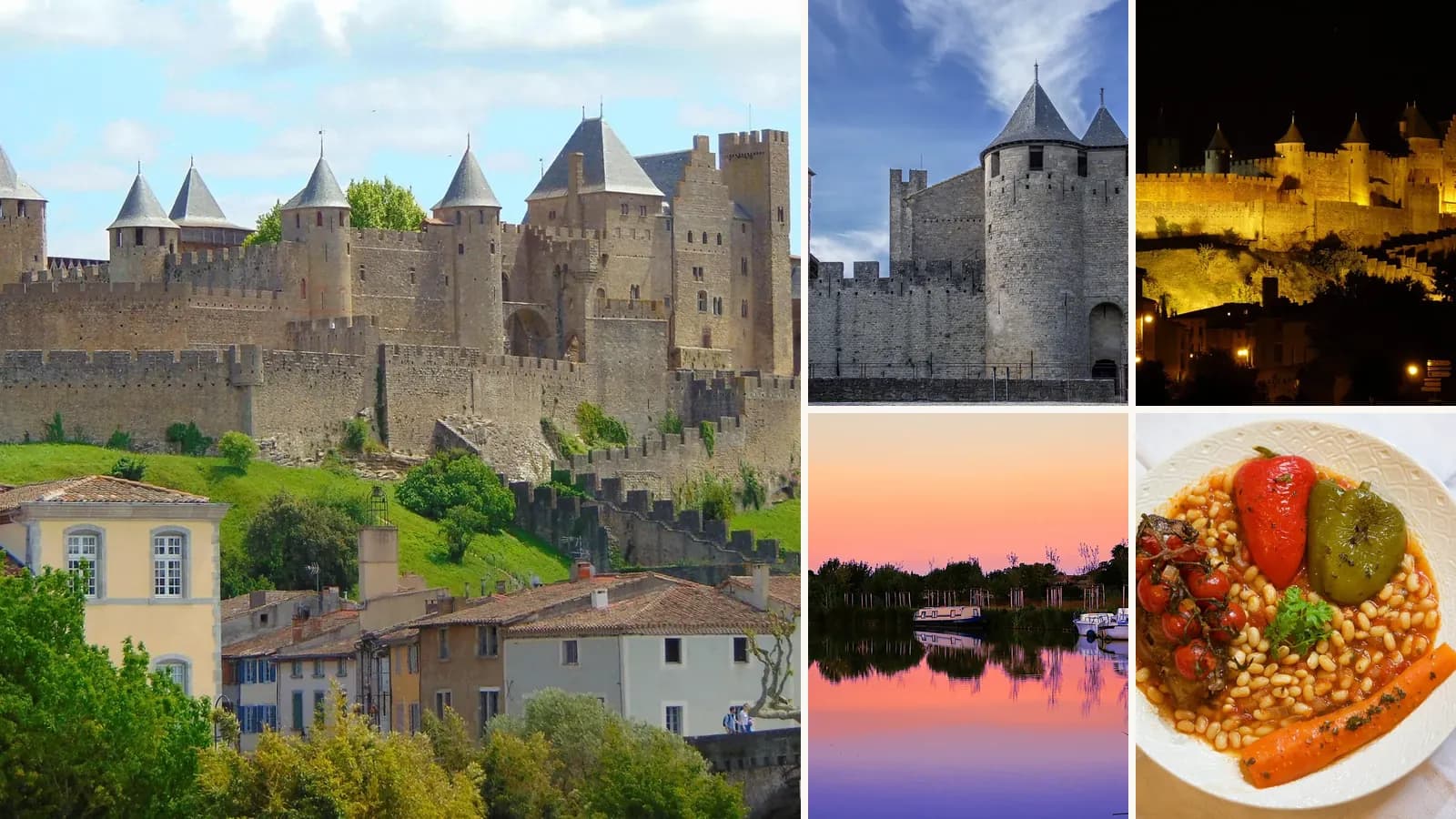
Rising above the vineyards of south-west France, the double walls and 52 towers of La Cité de Carcassonne look like something from a fairy tale. It's one of Europe's largest and most complete medieval fortified towns – and a UNESCO World Heritage Site. Its walls were begun in Roman times, strengthened in the Middle Ages and dramatically restored in the 19th century by the architect Eugène Viollet-le-Duc, who gave many towers their pointed slate roofs.
Below the Cité, the lower town – the Bastide Saint-Louis – is a lively, good-value place to eat and stay, crossed by the UNESCO-listed Canal du Midi. This guide covers the best things to see, where to eat cassoulet, where to stay on a sensible budget and the best day trips into Cathar country.
Carcassonne at a glance
| Quick facts | |
|---|---|
| Best time to visit | April–June and September–October; July and August are very busy |
| How long to stay | 1–2 nights |
| Getting there | Carcassonne airport, or about an hour by train from Toulouse |
| Getting around | On foot; a shuttle bus links the lower town and the Cité |
| Best for | History, couples, food lovers, road trips |
The Cité
1. Walk the ramparts
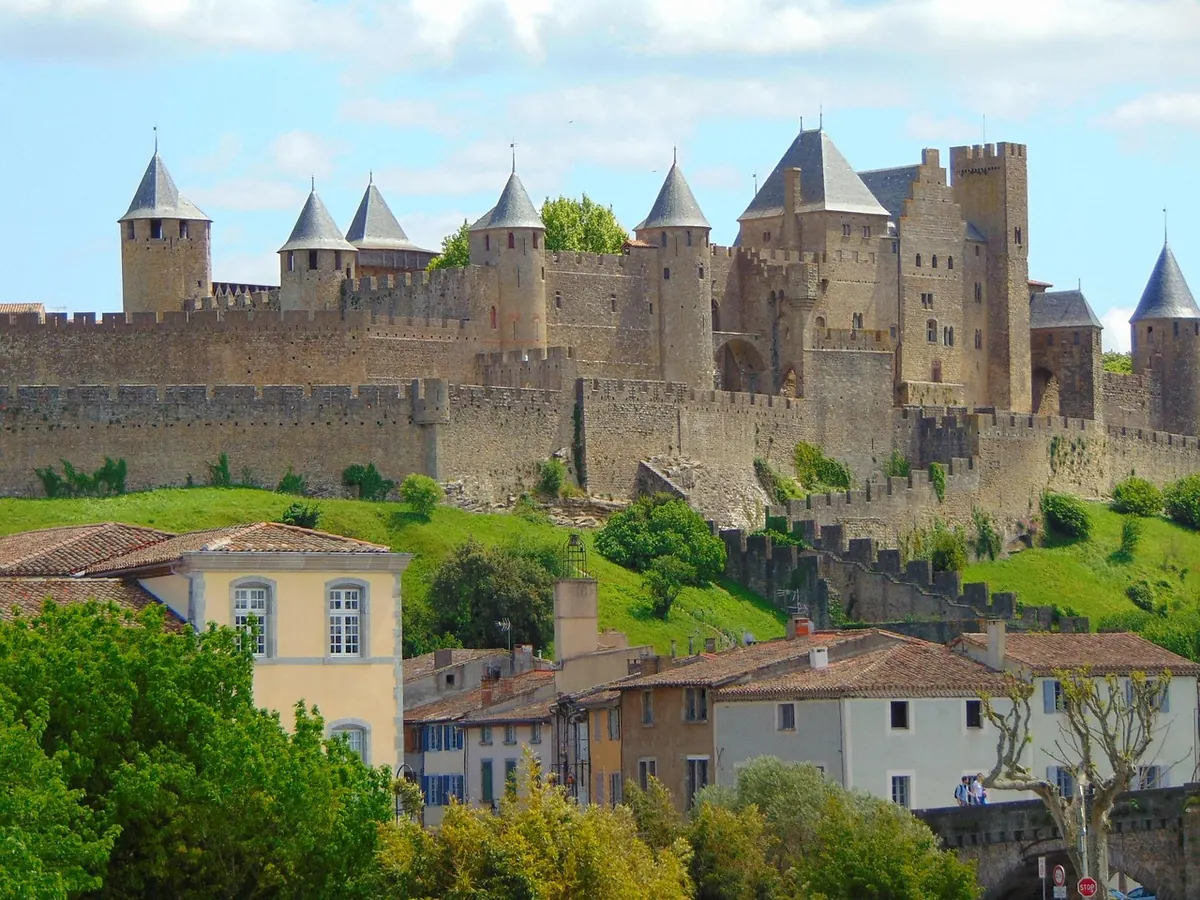
Two rings of walls encircle the Cité. You can stroll freely between them, in the grassy space known as the "lices", and around the outer walls for free. A ticket for the Château Comtal gives access to sections of the ramparts with wonderful views over the towers, the lower town and the Pyrenees on a clear day.
Enter through the Porte Narbonnaise, the main gate, with its twin towers and drawbridge, or walk up from the Pont Vieux through the Porte de l'Aude for a quieter, more dramatic approach.
Fifty-two towers with pointed slate roofs rise along the double walls, and from the walkway, vineyards stretch to the Pyrenees.
2. Château Comtal
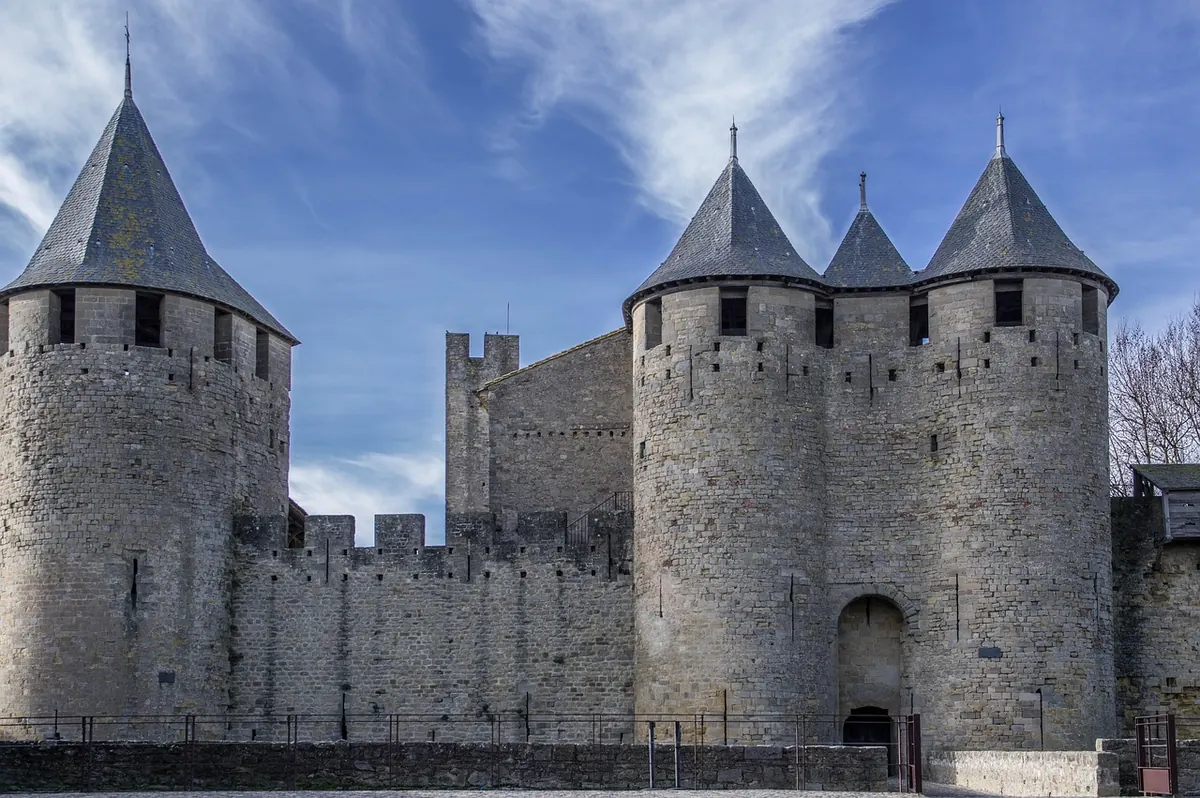
The castle inside the Cité, with its own moat and walls, was the seat of the Trencavel family in the 12th century. The visit includes the castle rooms, a museum of stone carvings and the ramparts walk, and explains Carcassonne's history from its Roman origins through the Albigensian Crusade against the Cathars to Viollet-le-Duc's restoration. Allow about two hours, and book tickets online in summer.
Cross the drawbridge into the castle, climb the towers and walk the wooden galleries high above the moat.
3. Basilica of Saint-Nazaire
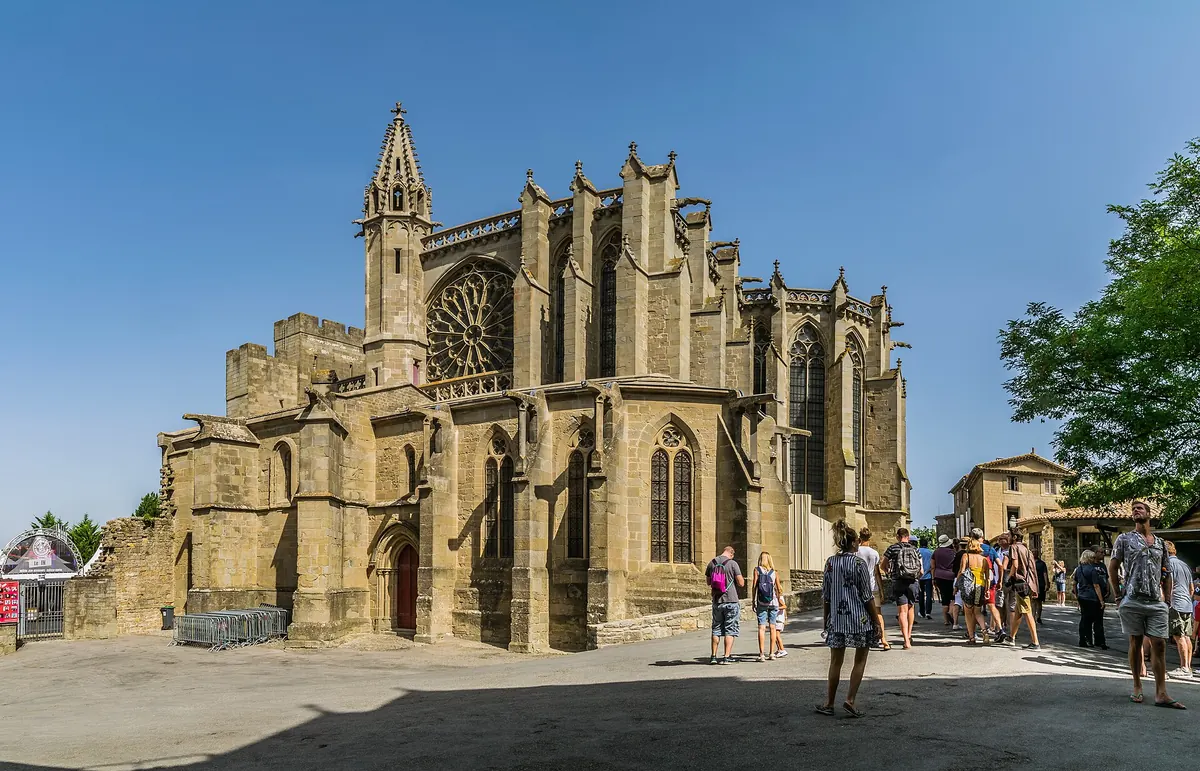
The basilica combines a Romanesque nave with a soaring Gothic choir and transept. Its stained-glass windows, some among the oldest in southern France, glow in the afternoon light. Entry is free, and choirs sometimes perform here in summer.
Sunlight pours through medieval stained glass, painting the stone floor in red and blue.
4. The Cité at night
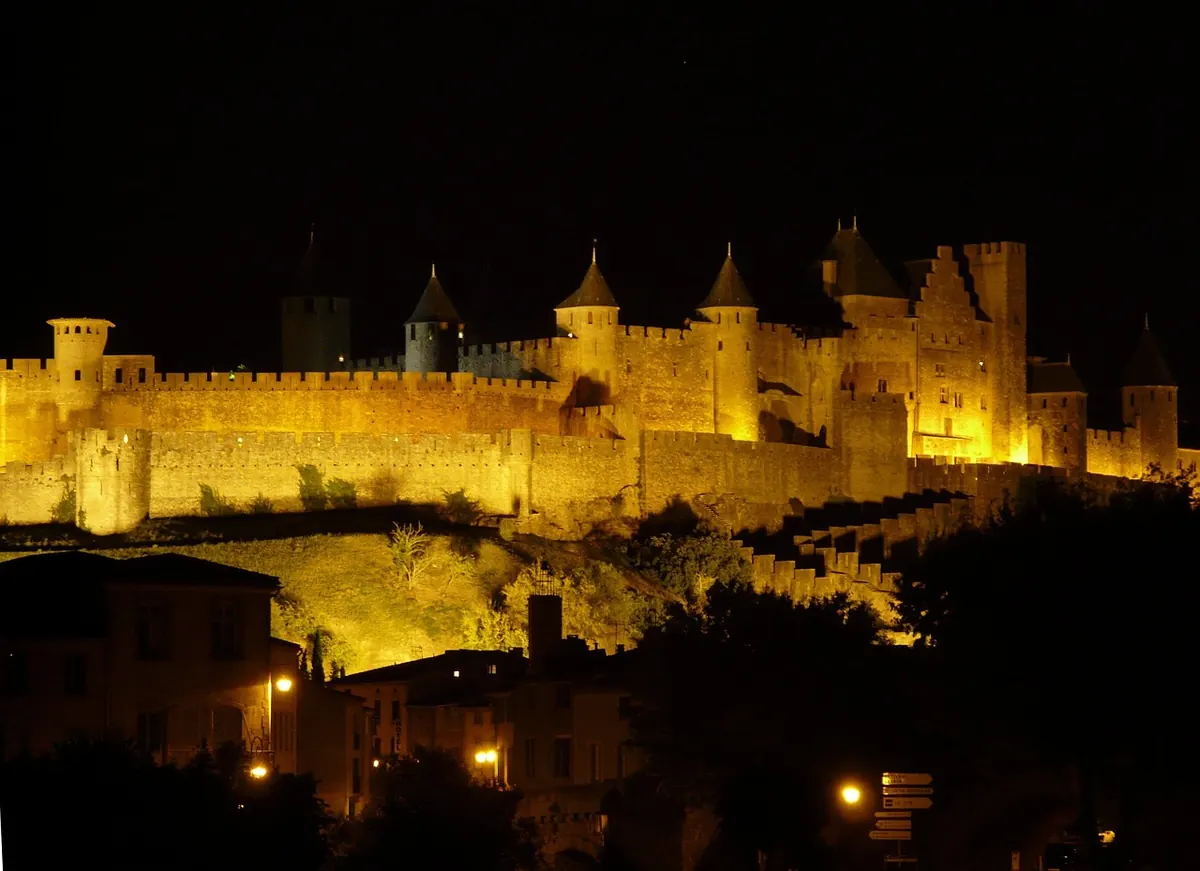
Once the day-trippers leave, the lanes become quiet, and the walls are floodlit – a magical sight from the Pont Vieux and the riverbank below. On 14 July, Bastille Day, Carcassonne hosts one of France's most famous firework displays, when the Cité appears to be set ablaze. Book accommodation months in advance if you want to see it.
When the day visitors leave, the floodlit walls glow gold, the lanes fall quiet and you feel transported back in time.
The lower town
5. Bastide Saint-Louis
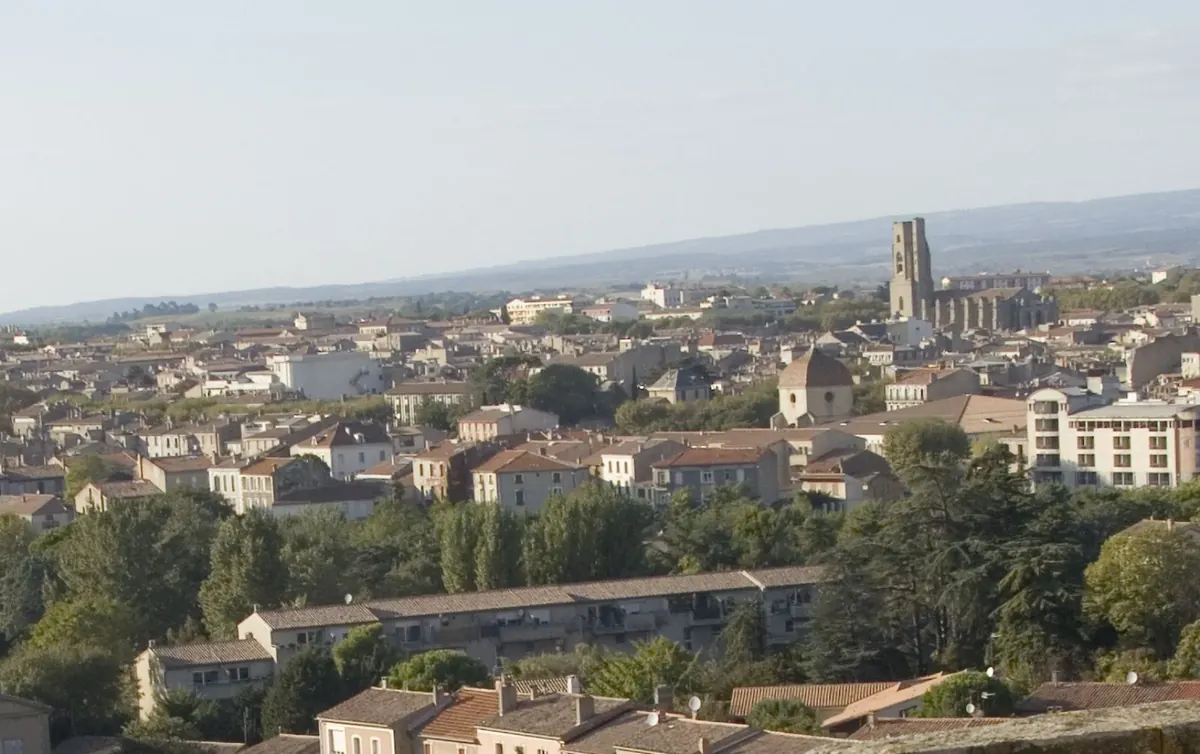
The "new" town below the Cité dates from the 13th century and is laid out in a grid around Place Carnot, with its fountain, cafés and markets (on Tuesday, Thursday and Saturday mornings). It's where locals live and shop, and it has the best choice of good-value restaurants. Walk through it to the Cathedral of Saint-Michel and the remains of its own fortifications.
The lower town's market square fills with stalls, and the cafés are full of locals.
6. Canal du Midi
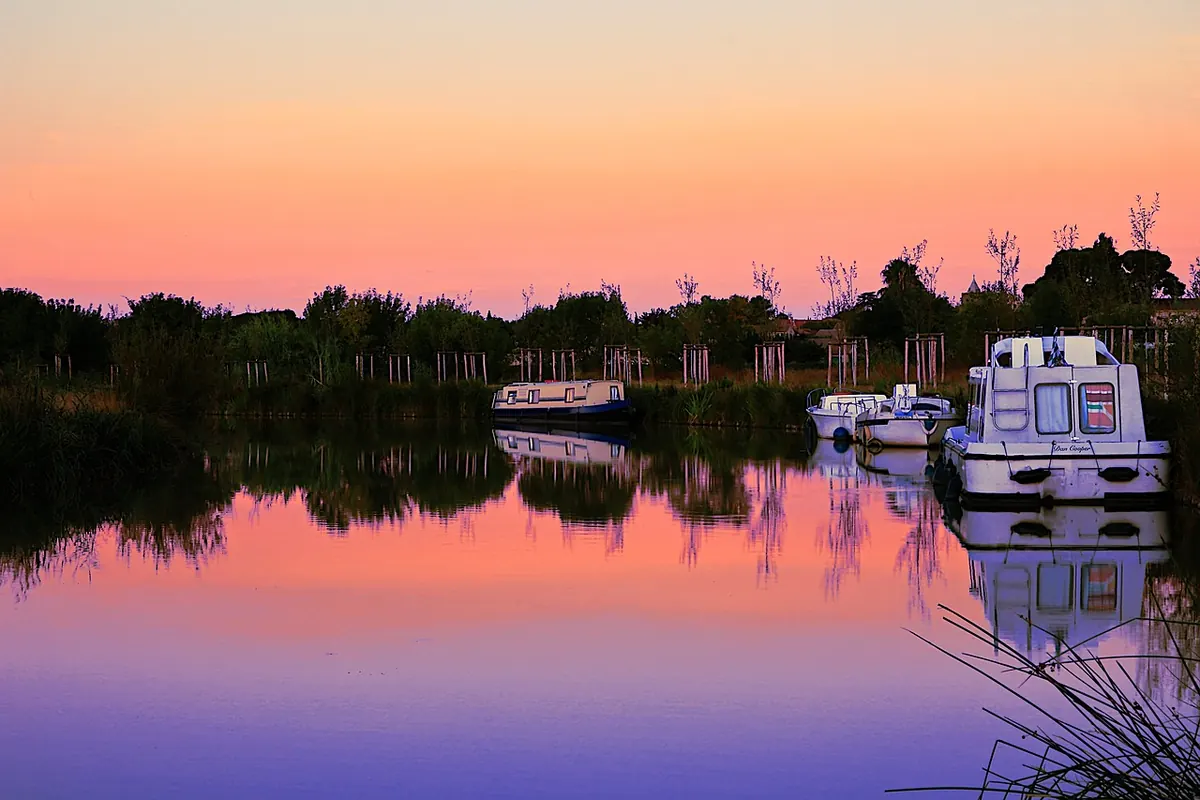
The UNESCO-listed canal, built in the 17th century to link the Atlantic and the Mediterranean, passes through the lower town next to the railway station. Take a short boat trip, rent a bike to cycle along the tree-lined towpath, or hire a canal boat for a few days – no licence is needed.
Plane trees shade the towpath, barges glide slowly through the locks – perfect for a bike ride.
Food and wine
7. Cassoulet
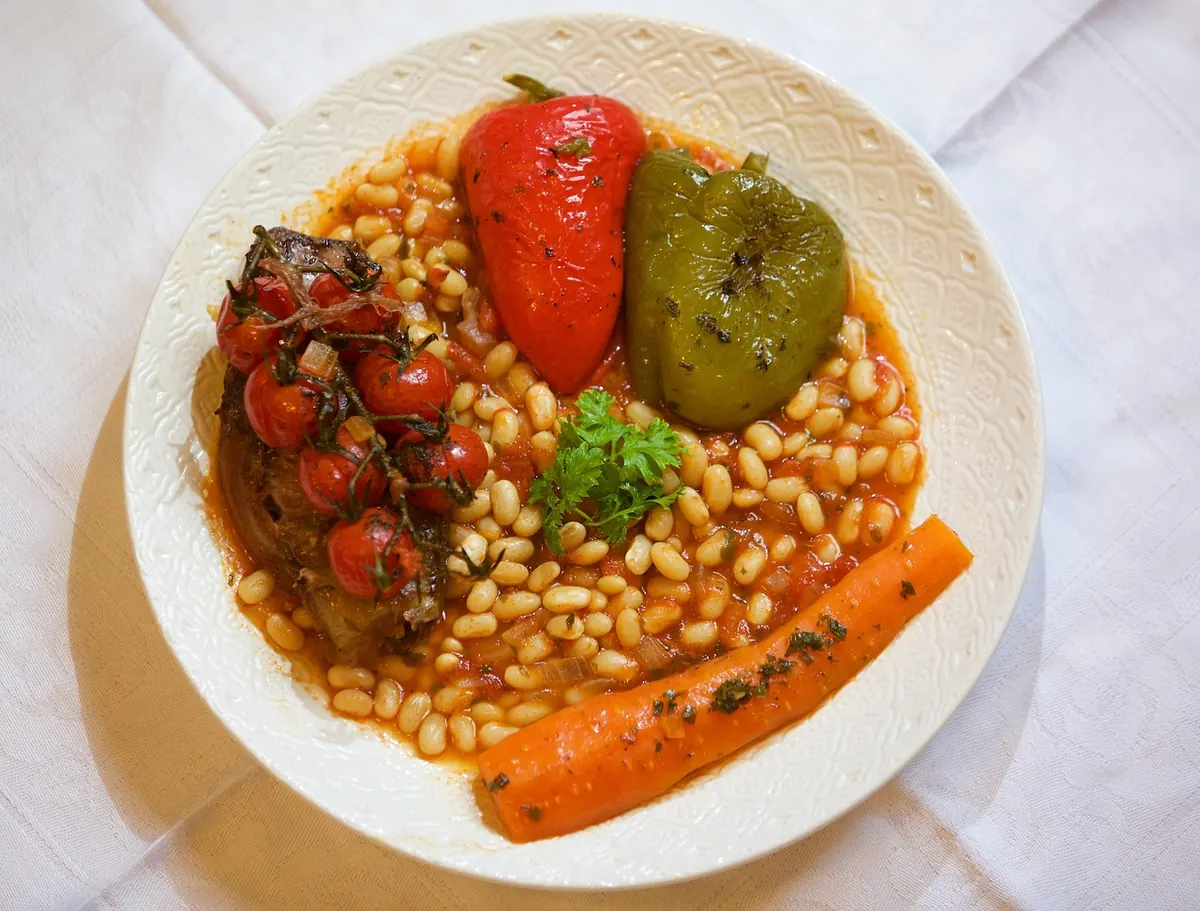
The region's famous slow-cooked dish of white beans, sausage, pork and confit duck is the thing to order – rich, filling and best on a cool day. Restaurants in the Cité are convenient but touristy; some of the best cassoulet is in the lower town and nearby villages. Pair it with wines from the surrounding Languedoc, such as Corbières, Minervois or the sparkling Blanquette de Limoux, said to be one of the world's oldest sparkling wines.
Where to stay
Stay inside the Cité for atmosphere – there are a few hotels and many guesthouses – but expect higher prices and limited access by car. The lower town has better value, more restaurants and easy access to the station; the walk up to the Cité takes about 20 minutes across the Pont Vieux, or you can take the shuttle bus. Book well ahead for July, August and the 14 July fireworks.
When to visit
Spring and early autumn are ideal: warm, with fewer crowds. July and August are hot and very busy during the day, though evenings are lovely. Winter is quiet and cool, with fewer visitors and some restaurants closed.
Day trips
The Cathar castles in the hills south of Carcassonne, such as Peyrepertuse and Quéribus, perch on dramatic rocky ridges and are reachable by car in about an hour and a half. Closer, the abbey village of Lagrasse is one of the most beautiful villages in France. Toulouse, "la ville rose", is about an hour by train, and the Mediterranean beaches near Narbonne are within reach.
Frequently asked questions
How long do you need in Carcassonne?
One full day is enough for the Cité and the castle; stay overnight to see the walls lit up and the streets quiet after the day visitors leave.
Is it free to enter the Cité of Carcassonne?
Yes, the walled town itself is free to walk around. The Château Comtal and the walk along the ramparts require a ticket.
How do you get to Carcassonne?
Carcassonne has a small airport with some European flights. Toulouse is about an hour away by train or car, and the town is on the rail line between Toulouse and Narbonne.
Can you drive into the Cité of Carcassonne?
Cars are generally not allowed in the Cité except for access to some hotels. Park in the car parks outside the walls and walk in.
Keep reading
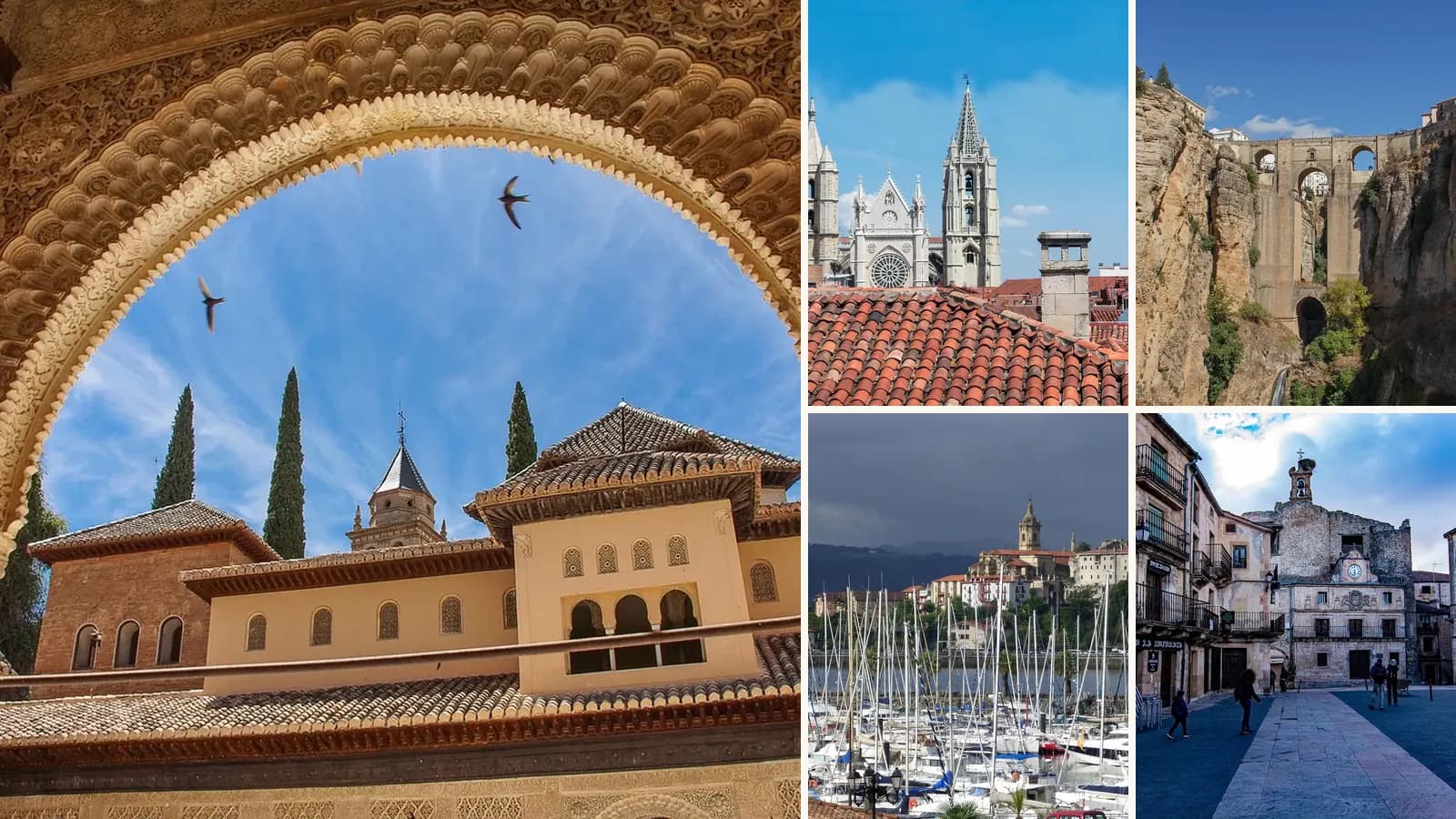
10 of the Most Stunning Paradors in Spain: Castles, Convents and Palaces
Sleep inside the Alhambra, a pilgrims' hospital in Santiago or a hanging-house clifftop in Cuenca – 10 of the most stunning paradors in Spain, with booking tips.
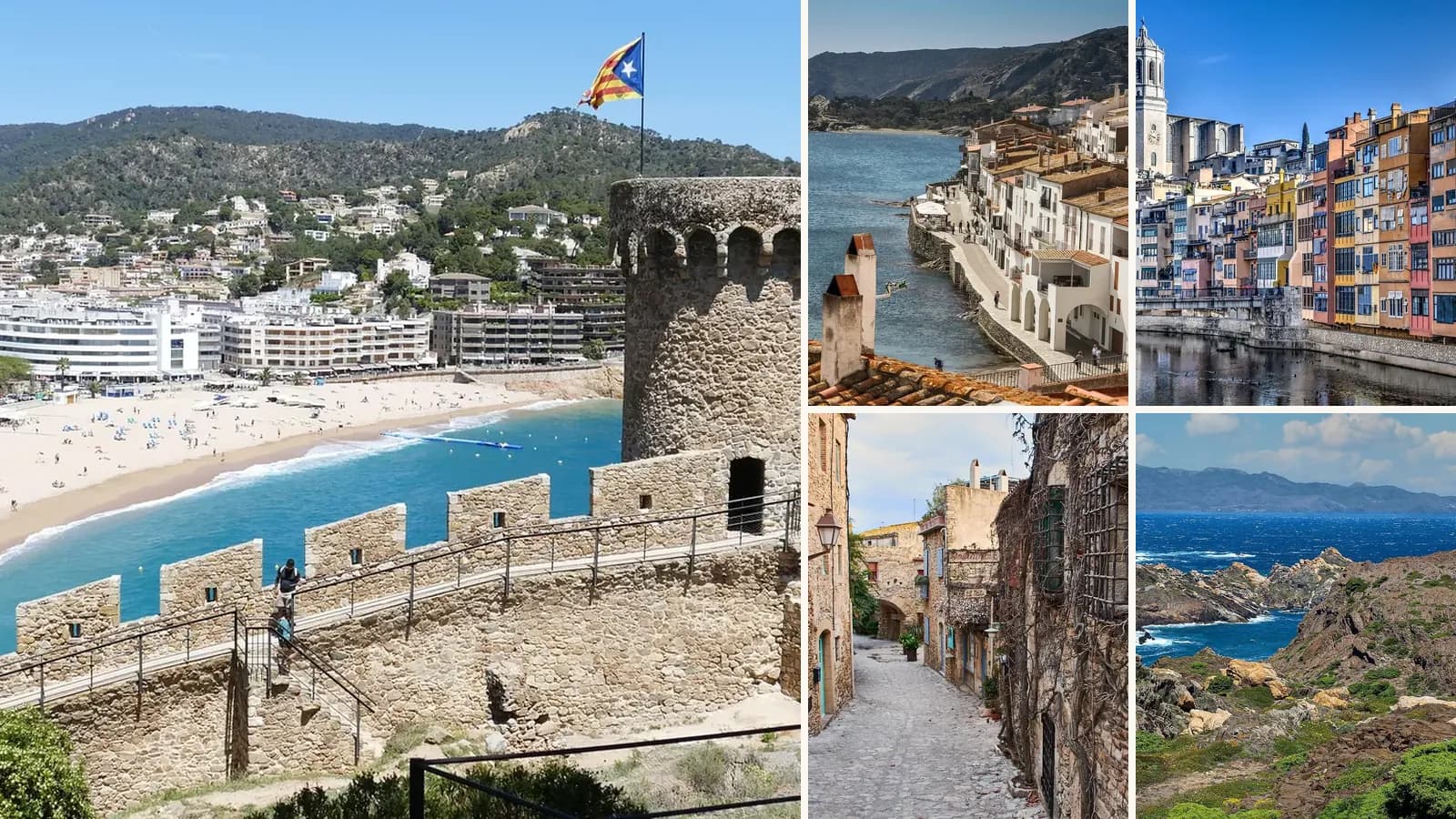
Costa Brava Travel Guide: Coves, Medieval Villages and Dalí
Tossa de Mar, Calella de Palafrugell, Cadaqués, Girona and the Dalí museum – where to go on the Costa Brava, Catalonia's rugged coast between Barcelona and France.
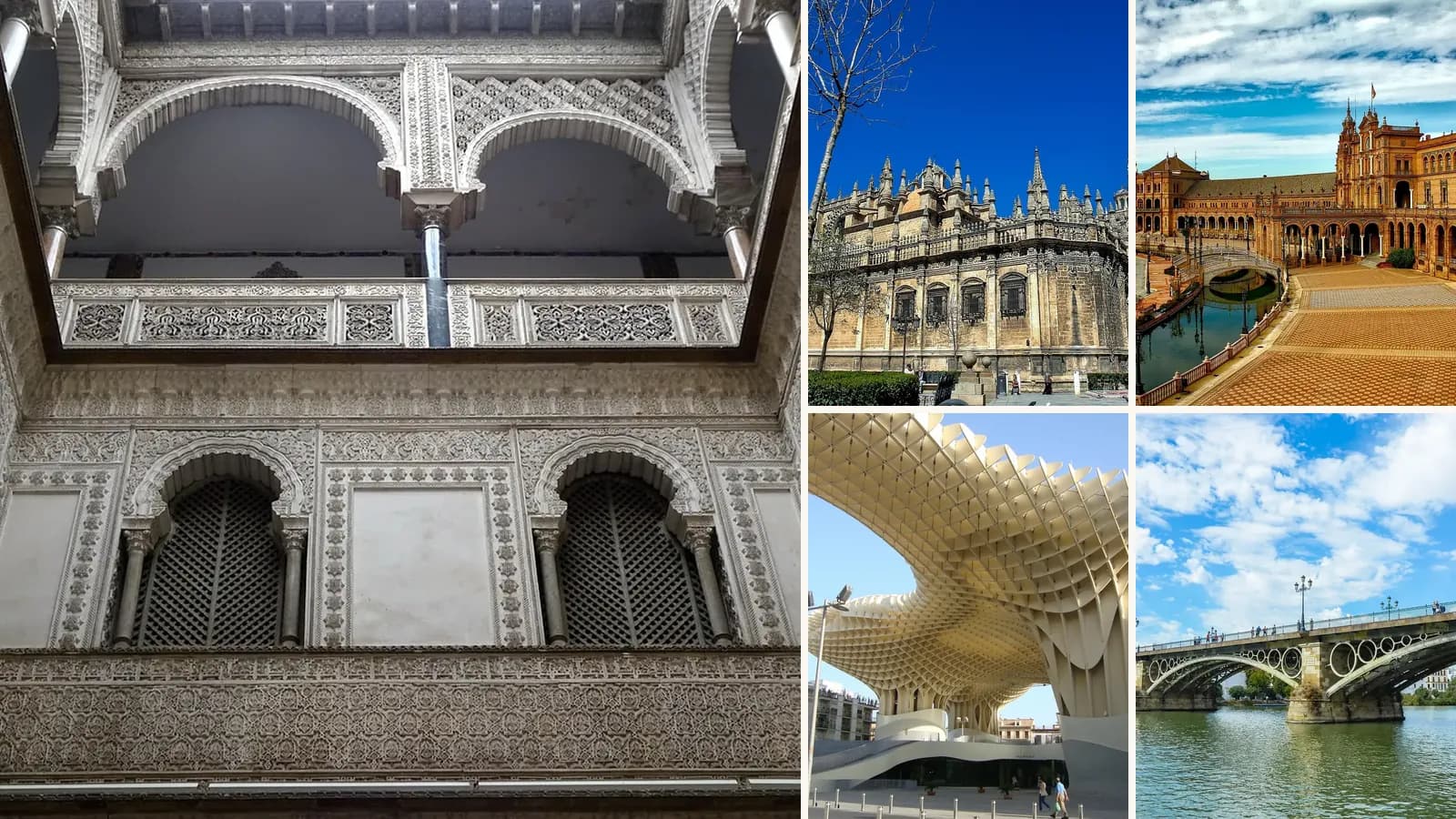
How to Enjoy Seville on a Budget: Sights, Tapas and Where to Stay
The Alcázar, the cathedral and Giralda, Plaza de España, Triana, free flamenco and cheap tapas – how to enjoy Seville without overspending.
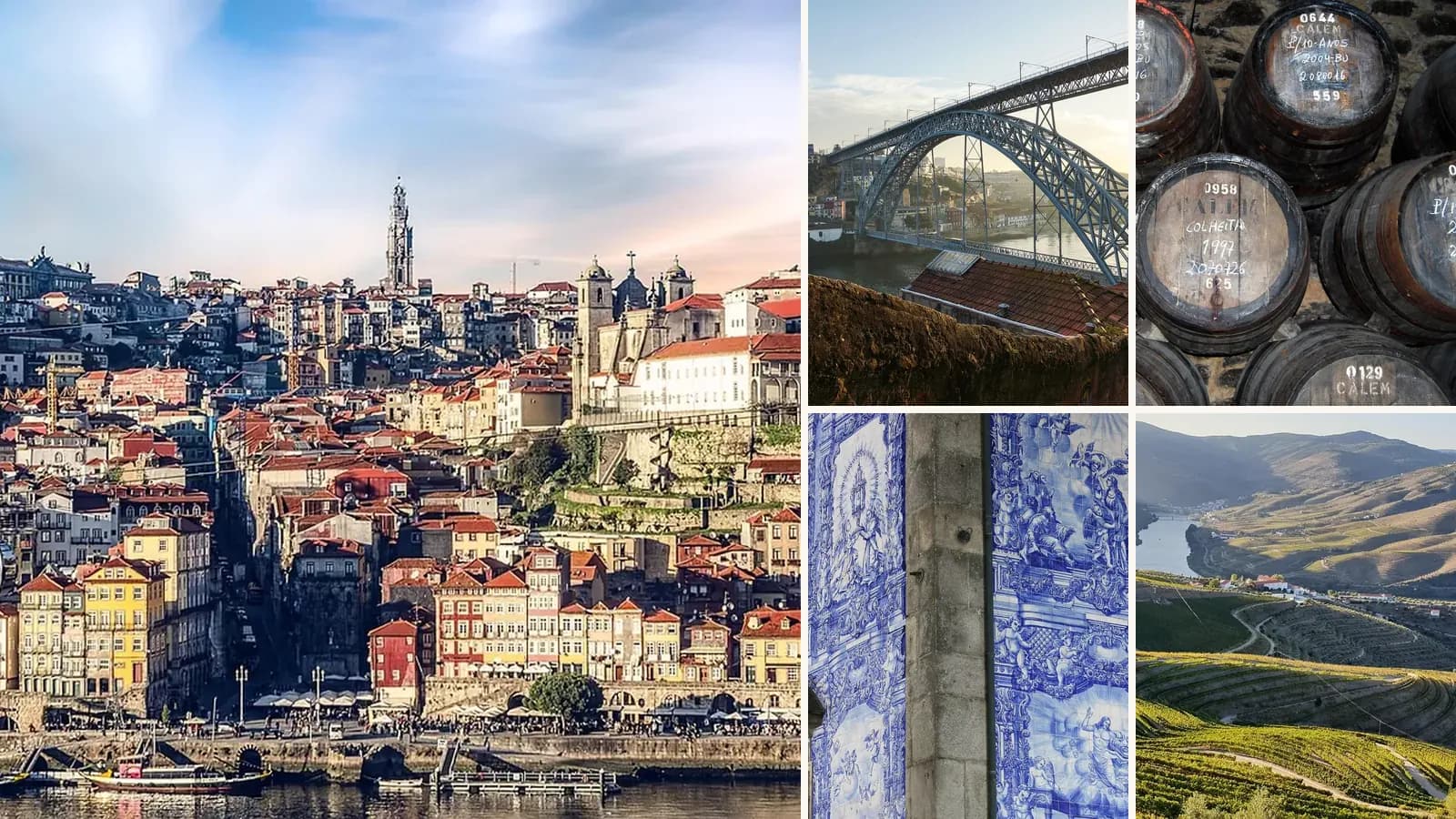
Porto City Break: Ribeira, Port Cellars, Food and Day Trips
Plan a Porto city break: the Ribeira, Dom Luís I Bridge, port wine cellars in Gaia, azulejo churches, Livraria Lello, francesinha, beaches and Douro Valley day trips.