Copenhagen by Bike: A Guide to the European City Where Half the Residents Cycle to Work
Nearly half of Copenhagen's commuters cycle. How to rent a bike, the rules of the road, the best routes and the sights to see on two wheels in Denmark's capital.
Some links in this guide are partner links: if you buy through them we may earn a small commission, at no extra cost to you. It never affects what we recommend. How we make money
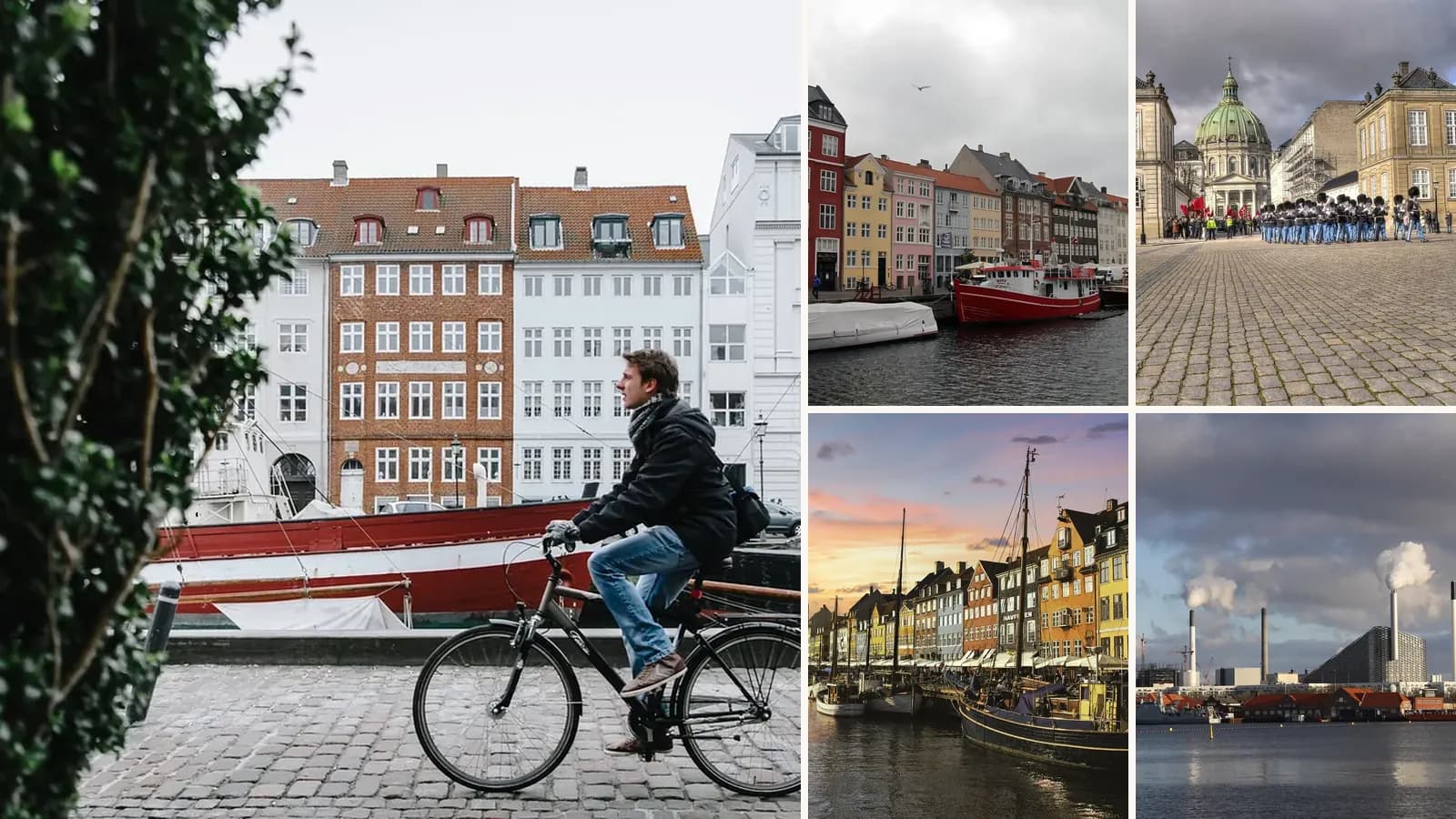
In Copenhagen, the bicycle isn't a hobby – it's the way the city moves. Nearly half of all trips to work and education in the Danish capital are made by bike, in rain, wind and winter darkness as well as summer sunshine. Business people in suits, parents with children in cargo bikes and students all share wide, separate cycle lanes that make the city one of the easiest and safest in the world to explore on two wheels.
For visitors, cycling is the best way to see Copenhagen: the city is flat and compact, the main sights are close together, and you'll move at the same pace as the locals. This guide explains how Copenhagen became a cycling city, how to rent a bike, the rules you need to know, the best routes and what to see along the way.
Copenhagen by bike at a glance
| Quick facts | |
|---|---|
| Best time to cycle | May–September for long, light evenings; spring and autumn are quieter |
| Bike hire | Hotels, rental shops and app-based bike-share |
| Terrain | Flat, with wide, separate cycle lanes |
| Typical distances | Most sights within 15 minutes' ride of the centre |
| Best for | City breaks, families, design and food lovers |
Why Copenhagen cycles
Copenhagen wasn't always a cycling paradise. Like many cities, it filled up with cars in the 1960s, but fuel crises and public campaigns in the 1970s led the city to invest heavily in cycling. Today it has hundreds of kilometres of dedicated cycle tracks, raised kerbs separating bikes from cars and pedestrians, green-wave traffic lights timed for cyclists, footrests at junctions and bridges built only for bikes and pedestrians.
Cycling is simply the quickest, cheapest and most convenient way to get around – which is why people of every age and background do it. Several "Cycle Superhighways" also link the suburbs with the city centre, allowing commuters to ride long distances with few stops.
How to rent a bike
1. Hotel bikes and rental shops
Many hotels lend or rent bikes to guests, often for a small daily fee. Rental shops across the centre offer city bikes, electric bikes and cargo bikes with a box at the front for children – a very Copenhagen experience. Book ahead in summer.
2. Bike-share apps
App-based bike-share schemes have bikes parked around the city that you can unlock with your phone and pay by the minute or by the day. Check where you're allowed to leave the bike at the end of your ride.
3. Guided bike tours
A guided tour is a great way to start, especially if you're nervous about city cycling. Guides take you along quiet routes, explain the rules and share stories about the city's history, architecture and design.
The rules of the road
4. Keep right and signal
Ride on the right in the cycle lane, and let faster cyclists pass on your left. Raise your right or left hand to signal turns, and raise a hand straight up before you stop – the cyclists behind you expect it.
5. Left turns in two steps
You can't turn left across traffic like a car. Instead, cross the junction to the far side, stop at the corner on the right, turn your bike and wait for the green light to cross again.
6. Lights, alcohol and phones
Lights are required after dark, cycling on pavements is not allowed, and using a phone while cycling is illegal. Cycling under the influence of alcohol is also an offence, and police do issue fines.
The best routes and sights
7. The harbour circuit
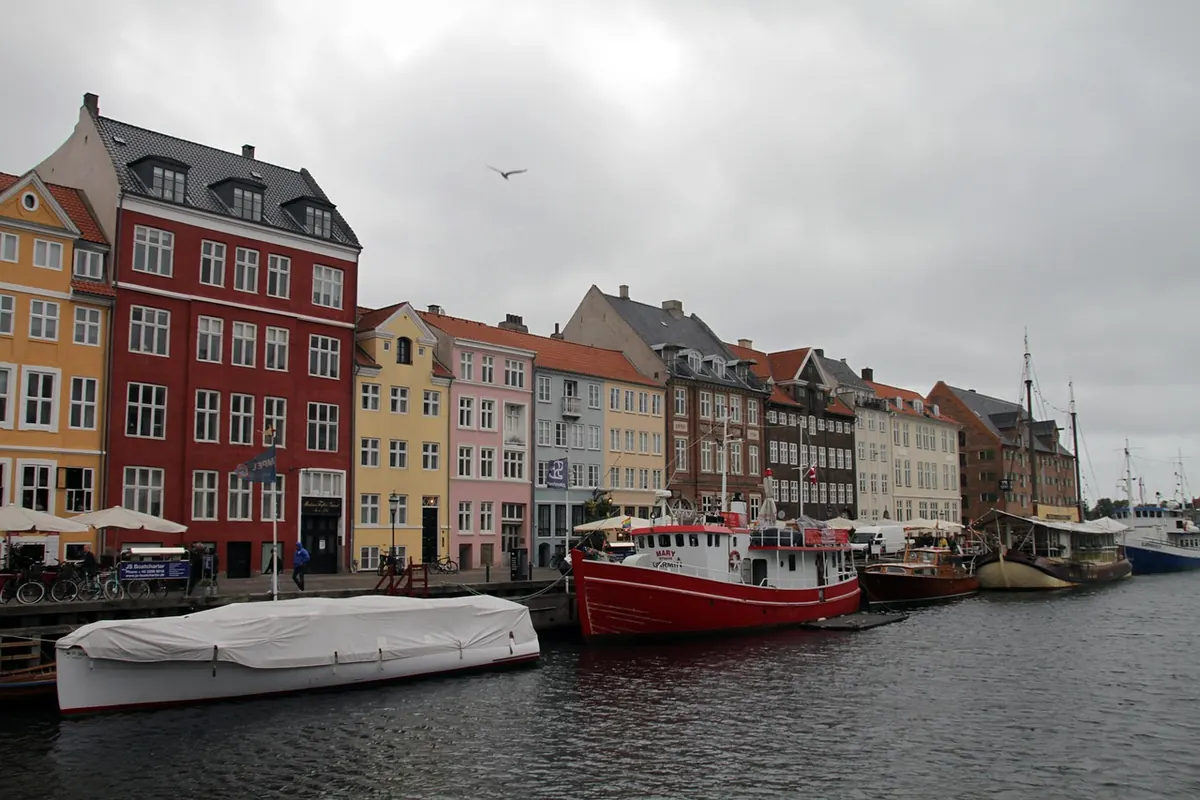
The most scenic ride in the city follows the harbour. Cross the curving Inner Harbour Bridge (Inderhavnsbroen) to Nyhavn's colourful houses, then ride along the waterfront past the Opera House and the Royal Library's "Black Diamond". The Bicycle Snake (Cykelslangen), an orange cycle bridge that winds above the water, is a highlight.
8. Royal Copenhagen
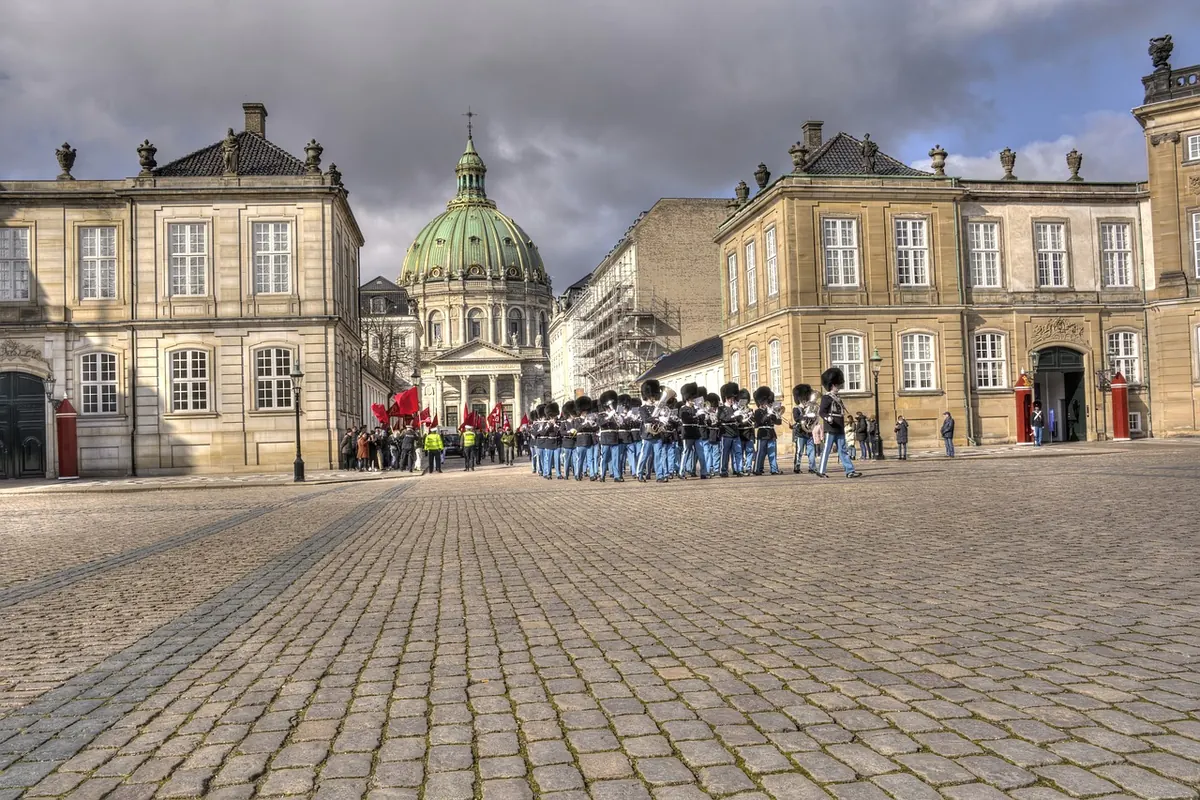
Ride past Amalienborg, the royal residence, the Marble Church, the star-shaped Kastellet fortress and on to the Little Mermaid statue. Continue to Rosenborg Castle, home of the crown jewels, and the King's Garden.
9. Christianshavn and Christiania
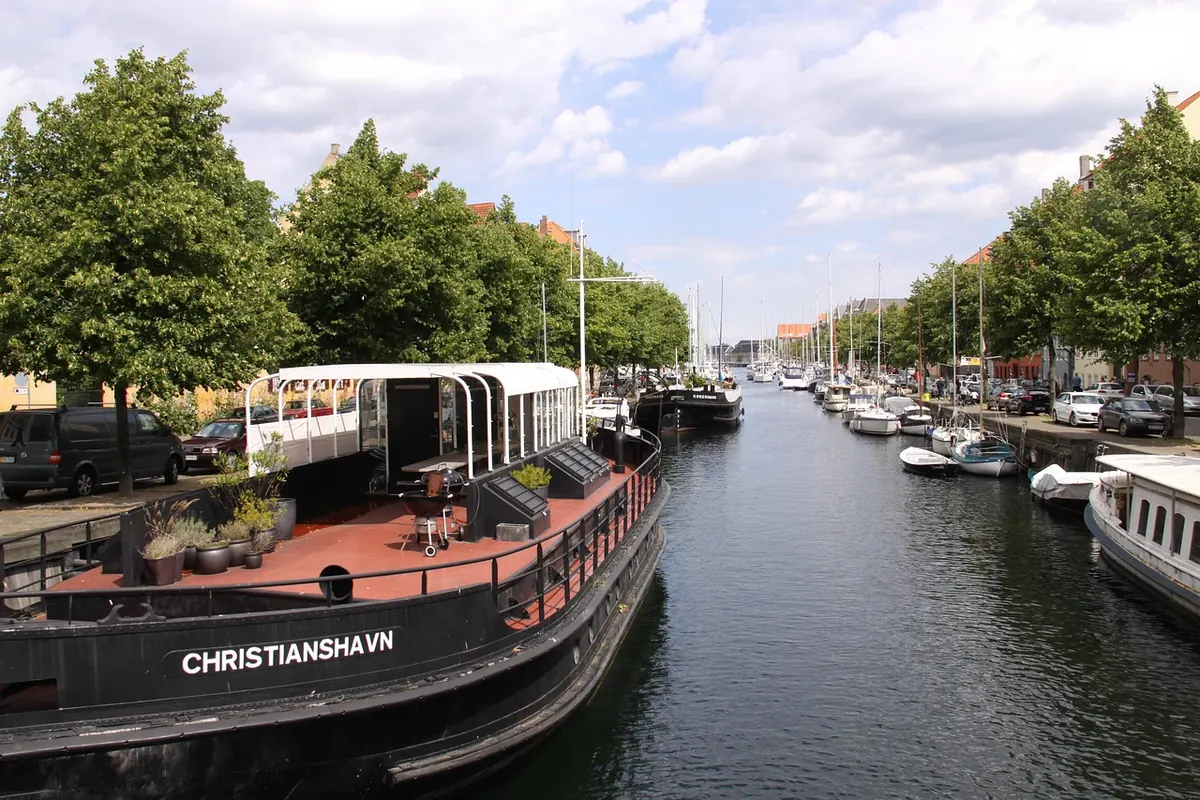
Cycle along the canals of Christianshavn, with its houseboats and cafés, and climb the spiral staircase of the Church of Our Saviour. Freetown Christiania, an alternative community founded in the 1970s, is next door – walk your bike inside and respect the local rules on photography.
10. Harbour baths and street food
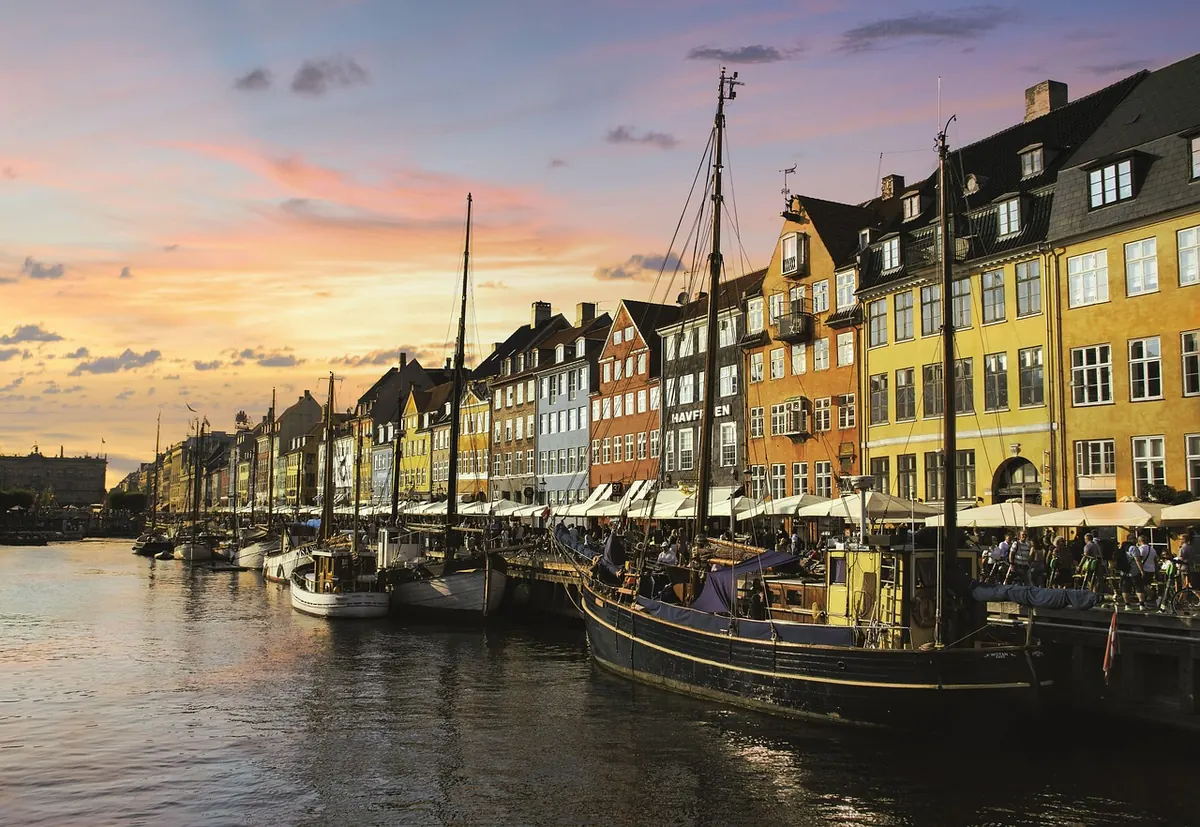
On warm days, locals swim in the clean harbour at open-air harbour baths such as Islands Brygge. Ride to the street-food markets near the water, or to Torvehallerne food market near Nørreport, for lunch.
11. CopenHill and the waterfront north

CopenHill, a waste-to-energy plant with an artificial ski slope, hiking trail and climbing wall on its roof, is a symbol of the city's green ambitions. Ride north along the coast towards Hellerup for beaches and villas.
Beyond Copenhagen
Denmark is one of Europe's great cycling countries, with national cycle routes along coasts and through the countryside. A short train ride brings you to Roskilde, with its Viking Ship Museum, or north along the coast to the Louisiana Museum of Modern Art. Bikes can be taken on many trains for a fee.
Tips for cycling in Copenhagen
- Start on a quiet morning – weekends are calmer than weekday rush hours.
- Plan routes with a map app that shows cycle lanes.
- Lock your bike to a rack every time; bike theft is common.
- Pack a rain jacket – Danes cycle in all weather.
- Mind pedestrians and buses: watch for people stepping off buses into the cycle lane.
For more European city ideas, see our guide to the best European cities for music lovers, which includes Copenhagen's jazz scene.
Frequently asked questions
Is it safe to cycle in Copenhagen as a tourist?
Yes, if you follow the rules. The city has wide, separate cycle lanes almost everywhere. Keep right, signal before turning or stopping, and be aware that local cyclists ride fast and expect others to follow the rules.
Where can I rent a bike in Copenhagen?
Many hotels lend or rent bikes, there are rental shops across the centre, and app-based bike-share schemes have bikes parked around the city.
Do I need a helmet to cycle in Copenhagen?
Helmets aren't compulsory for adults in Denmark, but they're recommended, especially if you're not used to city cycling.
Keep reading
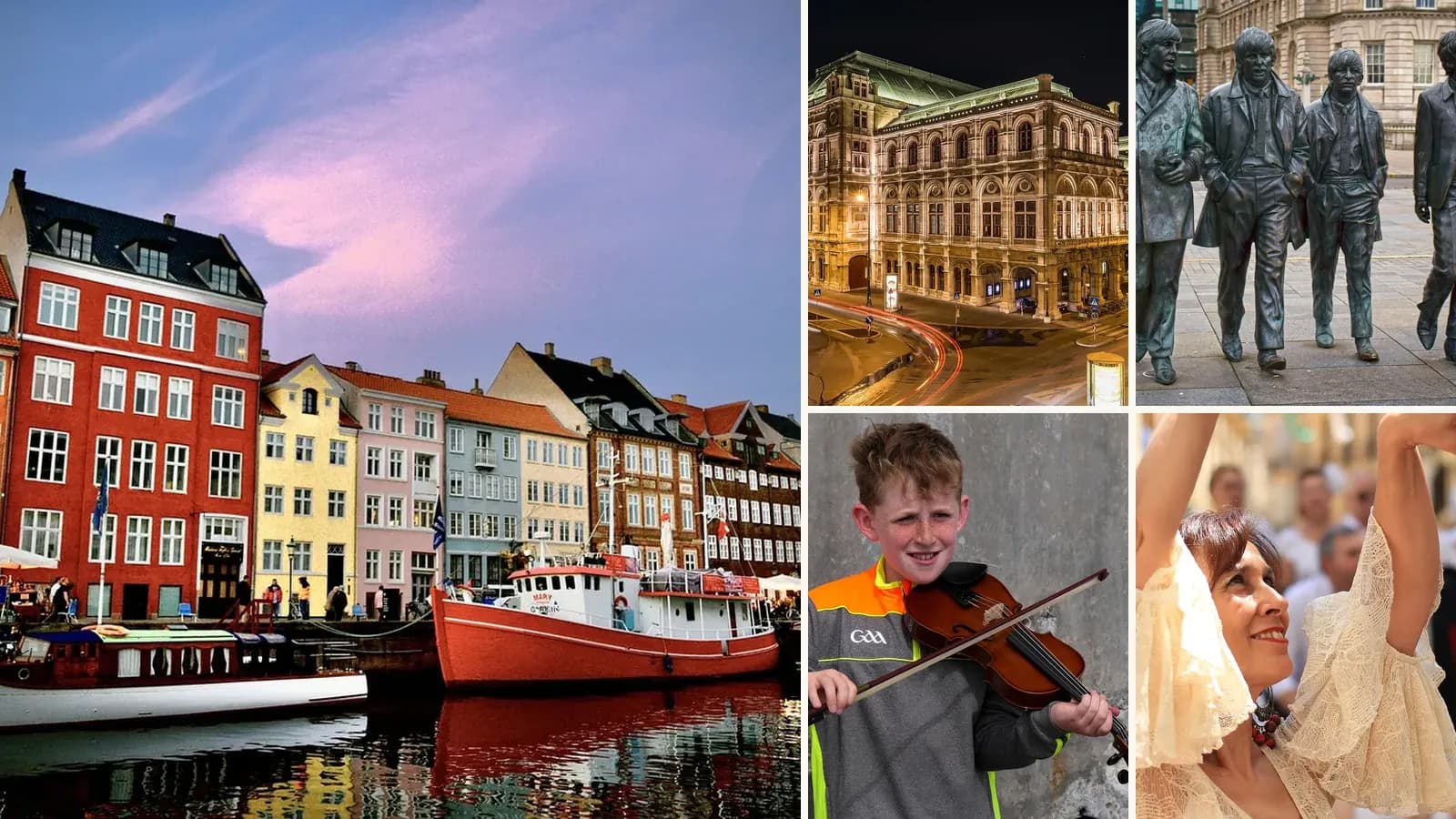
The Best European Cities for Music Lovers: Record Shops, Venues and Festivals
Copenhagen, Berlin, Vienna, Liverpool, Dublin and Lisbon – the best cities in Europe for live music, record shopping and music history, with what to see in each.
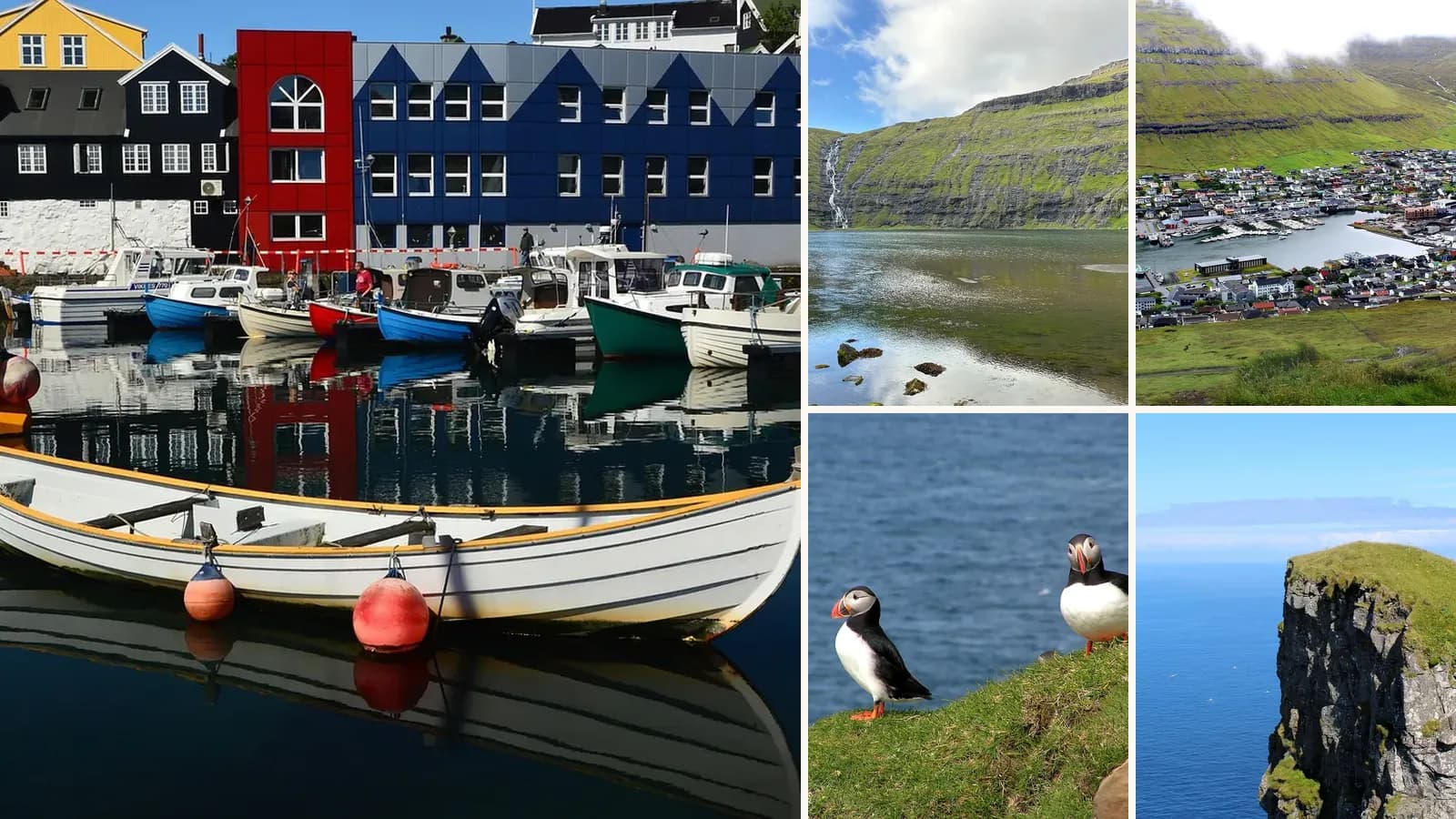
Faroe Islands Road Trip: Europe's Most Breathtaking Drive
Sea tunnels, sheer cliffs, puffins and turf-roofed villages – how to plan a road trip around the Faroe Islands, with a suggested route and driving tips.
The 17 Most Charming Christmas Markets in Europe
From Strasbourg and Nuremberg to Vienna, Prague, Tallinn and Zagreb – the 17 most charming Christmas markets in Europe, with what to eat and tips for visiting.
Cities of the Dead: 12 of the World's Most Beautiful Cemeteries to Visit
Père Lachaise, Highgate, Recoleta, Prague's Old Jewish Cemetery, Okunoin and more – 12 of the world's most beautiful cemeteries and how to visit respectfully.