10 Ways to Get Through Airport Security Faster
Get through airport security faster in 2026: the new TSA shoe and ID rules, where the 100 ml liquids limit has gone, trusted traveler programs and smart packing.

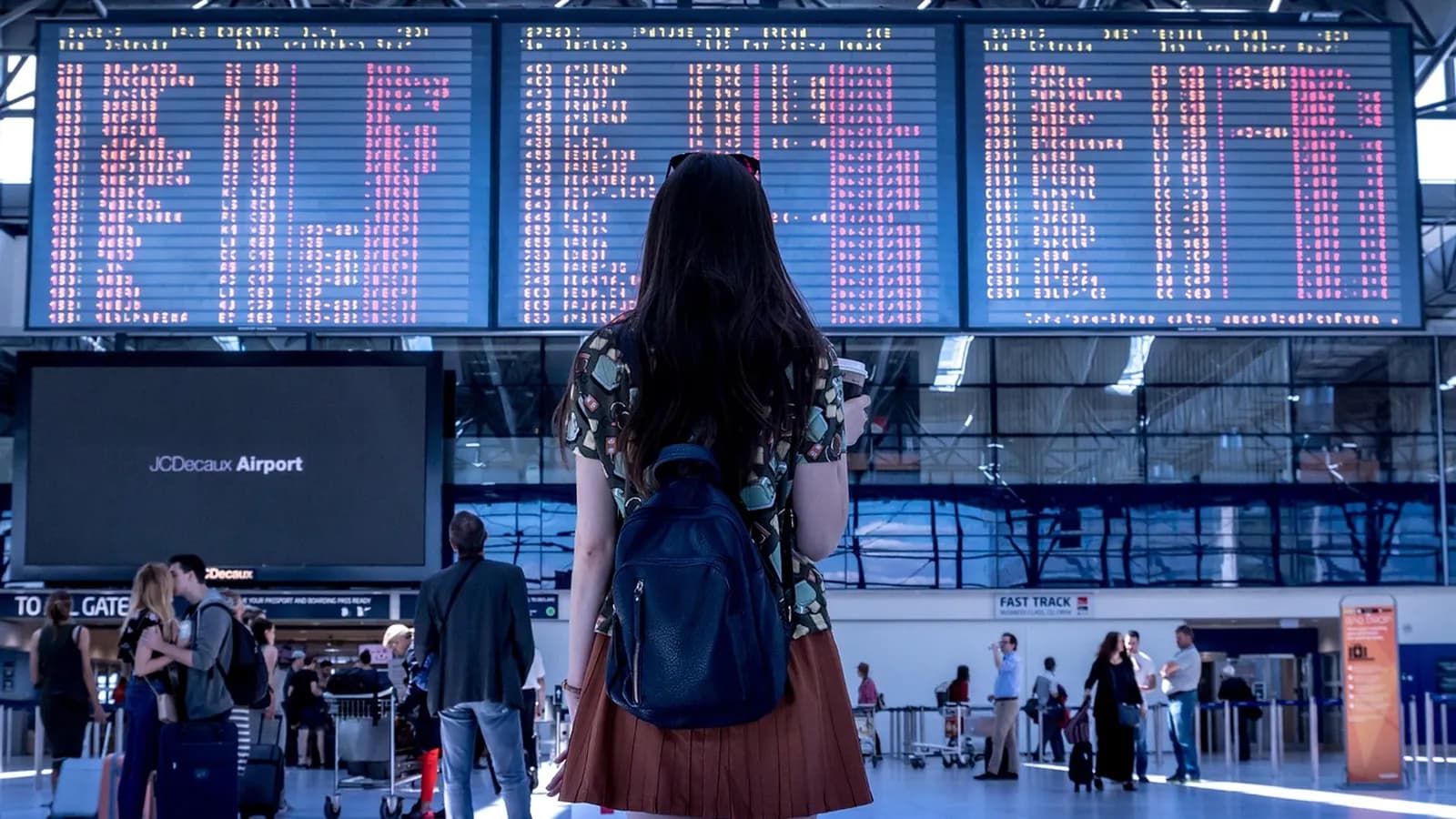
Security queues are the least favourite part of almost every trip. You can't control how many people turn up at the same time as you, but you can control almost everything else. These ten habits will get you from the queue to the gate faster and with a lot less stress.
What changed at airport security in 2025–2026
Several rules that travelers took for granted for years have changed, so it pays to check what applies to your airport:
- Shoes stay on in the US. Since 8 July 2025, TSA lets travelers keep their shoes on at domestic checkpoints, not only in PreCheck lanes. You may still be asked to take them off if you set off an alarm or are picked for extra screening.
- REAL ID is enforced. Since 7 May 2025, a standard driver's license without the star is no longer accepted for US domestic flights. Since 1 February 2026, travelers with no accepted ID can pay a 45 dollar TSA ConfirmID fee for an identity check covering ten days of travel – but paying doesn't guarantee you'll be cleared.
- The 100 ml rule is disappearing – unevenly. In the US, the 3-1-1 liquids rule is unchanged. In the UK, airports with new CT scanners such as Heathrow, Gatwick, Edinburgh, Birmingham, Bristol and Belfast now accept containers of up to 2 litres, while Manchester and Luton still apply 100 ml. In the EU the 100 ml limit was reimposed on early CT scanners in September 2024; newer certified scanners are now allowing the higher limit airport by airport – Rome Fiumicino, Milan and Dublin among them – while Paris CDG, Amsterdam Schiphol and Athens still apply 100 ml.
The rule of thumb: pack for the strictest airport on your trip, including your return flight and any connection.
1. Join a trusted traveler program
If you travel from the United States, TSA PreCheck is the single biggest time-saver. Approved travelers use dedicated lanes, keep their shoes and belts on and leave laptops and small liquids in their bags. Global Entry includes PreCheck and also speeds up re-entry to the US at passport control. You can apply on the official TSA website.
Many other countries run similar fast-track or registered-traveler schemes, so check what's available where you live.
2. Consider an expedited ID service
Services such as CLEAR verify your identity with biometrics and let you skip the ID-check part of the queue at participating US airports. It's a paid membership, so it makes most sense if you fly often from airports where it's available.
3. Use status and premium perks
Airline elite status and business or first class tickets often come with access to priority security lanes. Some airline credit cards include fast-track as a benefit too. If you already have it, make sure your boarding pass shows it.
4. Carry the right ID
Have your ID or passport in your hand, not buried in your bag. In the US, domestic flights require a REAL ID-compliant driver's license (with the star) or another accepted ID such as a passport. Many states' mobile driver's licenses are now accepted at participating checkpoints, but carry the physical card as a backup. If you have no accepted ID, the 45 dollar ConfirmID check is a last resort, not a plan.
5. Pack for the scanner
Most delays at the checkpoint are caused by bags that need a second look. To avoid that:
- Keep liquids, gels and aerosols in containers of 100 ml (3.4 oz) or less, together in one clear bag, unless every airport on your trip has confirmed the higher 2-litre limit – the return leg is where travelers get caught out.
- Pack electronics larger than a phone so they're easy to remove.
- Don't pack anything on the prohibited list – when in doubt, check it in.
- Avoid wrapping gifts; they may have to be opened.
Read our guide to packing light for more ideas on keeping your carry-on simple.
6. Dress for security
Even where shoes can now stay on, metal shanks, heavy boots and big buckles can still set off the scanner. Wear simple shoes, no belt, minimal jewellery and as few layers as you can manage. Put your watch, phone, keys and coins in your jacket or bag before you reach the trays, not while the person behind you waits.
7. Check wait times before you leave
Many airports publish live security wait times on their website or app. If your airport has more than one checkpoint, a short walk to a quieter one can save you twenty minutes.
8. Fly at quieter times
Early-morning departures and the business-traveler peaks on Monday mornings and Friday evenings are usually the busiest. Mid-morning and early-afternoon flights midweek tend to be calmer.
9. Check a bag when it makes sense
If you're carrying lots of liquids, sports equipment or bulky winter clothing, checking a bag often makes security faster and easier, especially if you're traveling with children.
10. Be ready – and be friendly
Have your boarding pass open, your tray items ready and your bag unzipped where needed. Follow the officers' instructions and stay polite – security staff deal with thousands of people a day, and a calm passenger is a quick passenger.
Before you go
A smooth trip starts the day before your flight. Our checklist of 20 things to do the day before you go on vacation covers documents, check-in and packing. And once you're through security, here's how to pick the best seat on the plane.
Frequently asked questions
How early should I get to the airport?
As a rule of thumb, arrive two hours before a domestic flight and three hours before an international one. At busy airports or during holiday peaks, add extra time and check the airport's live security wait times before you leave.
Can I keep liquids in my bag at security?
It depends on the airport. Many airports still ask you to take out liquids in containers of 100 ml (3.4 oz) or less in one clear bag. Some airports with new CT scanners let you leave them in your bag. Check your departure airport's website before you pack.
Do I still have to take my shoes off at TSA security?
Usually not. Since 8 July 2025 travelers at US checkpoints keep their shoes on in standard lanes as well as PreCheck. Officers can still ask you to remove them if you set off an alarm or are selected for extra screening.
Which airports have dropped the 100 ml liquids limit?
In the UK, Heathrow, Gatwick, Edinburgh, Birmingham, Bristol and the two Belfast airports allow containers of up to 2 litres on their new scanners. In the EU it depends on the airport and even the lane: Rome Fiumicino, Milan and Dublin have the higher limit, while Paris CDG, Amsterdam and Athens still apply 100 ml. Always check your departure airport's website.
What if I don't have a REAL ID?
Since 1 February 2026, US travelers without an accepted ID can pay a 45 dollar TSA ConfirmID fee for an identity check valid for ten days of travel. Payment does not guarantee clearance, so a passport or REAL ID is still the safer choice.
Is TSA PreCheck worth it?
If you fly from US airports more than a couple of times a year, usually yes. PreCheck lanes are typically much faster, and you can keep your shoes, belt and light jacket on and leave laptops and liquids in your bag.
Keep reading
6 Tips for Picking the Perfect Airplane Seat Every Time
Window, aisle, exit row or bulkhead? How to choose the best seat on the plane for sleep, legroom, a smooth ride or a quick exit – and how to get it without overpaying.
20 Things to Do the Day Before You Go on Vacation
A practical checklist for the day before your trip: documents, entry requirements, money, home, packing and phone – so you leave relaxed and nothing gets forgotten.
10 Tips to Help You Overcome a Fear of Flying
Practical ways to manage a fear of flying: understanding turbulence, breathing techniques, choosing the right seat, talking to the crew and taking a confidence course.
11 Tips on Packing Light for Winter Travel
Bulky coats don't need a huge suitcase. Eleven practical tips for packing light for a winter trip, from layering and fabrics to what to wear.